American Toad
Learn about American toads, hardy North American amphibians known for their warty skin, beautiful trilling calls, and remarkable adaptability to diverse environments

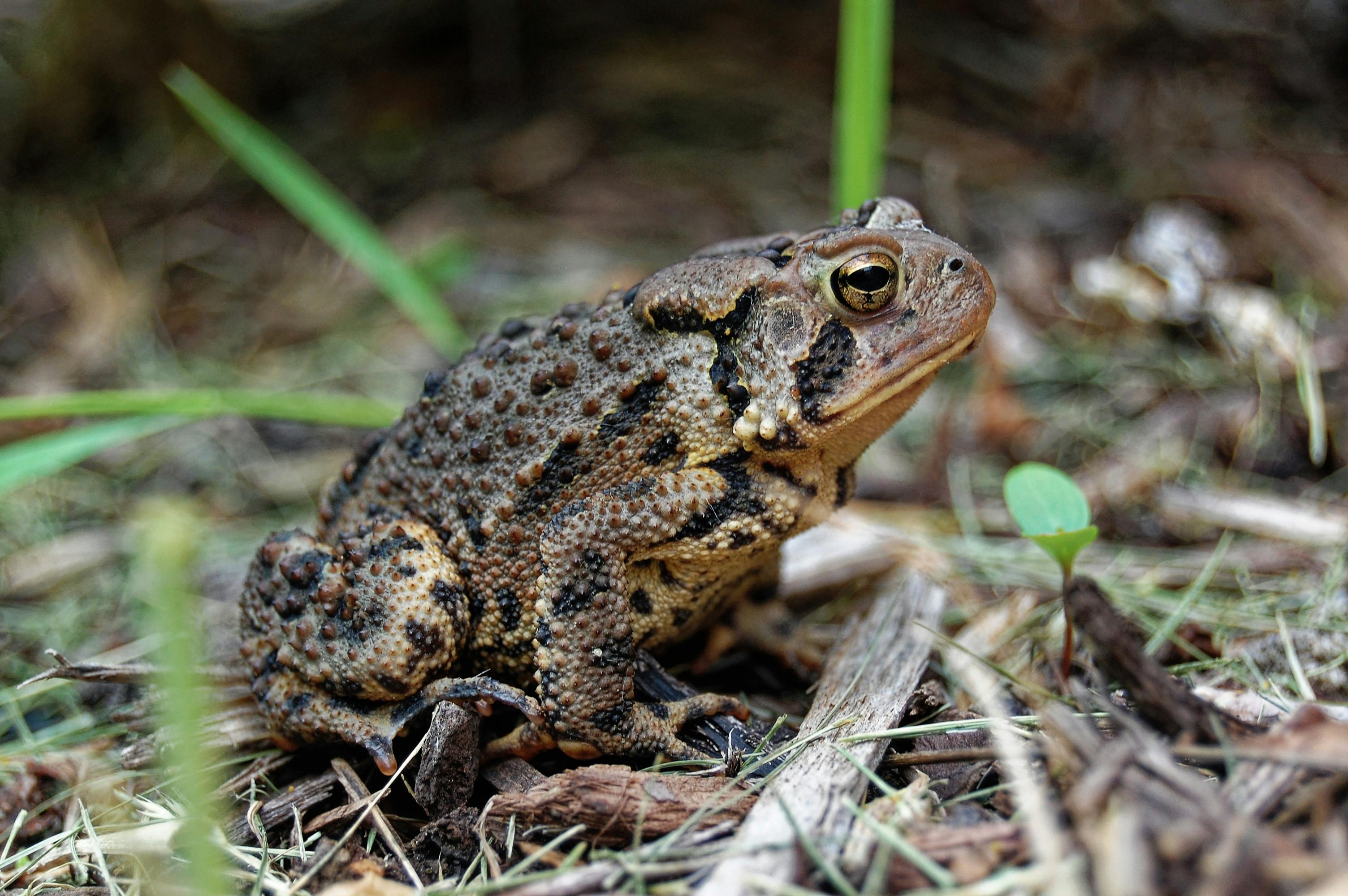
Adult American toad showing characteristic warty skin and distinctive parotoid glands
American toads are among North America's most adaptable and beneficial amphibians! These hardy creatures are welcome guests in gardens and backyards, where they consume enormous quantities of insects every night. Despite their bumpy, warty appearance, they're gentle animals that have developed remarkable defenses and can thrive in environments from wilderness areas to city parks.
Where American Toads Live
American toads have one of the largest ranges of any North American amphibian, successfully adapting to diverse climates and habitats from southern Canada to the Gulf of Mexico.
Geographic Range:
- Canada: Southeastern provinces including Ontario, Quebec, New Brunswick, Nova Scotia, and Prince Edward Island
- Northeastern United States: All states from Maine to Virginia
- Southeastern United States: North Carolina, South Carolina, northern Georgia, and northern Alabama
- Great Lakes Region: Michigan, Wisconsin, northern Illinois, Indiana, and Ohio
- Central Plains: Eastern parts of North Dakota, South Dakota, Nebraska, Kansas, and Oklahoma
Preferred Habitats:
- Deciduous forests: Woodlands with leaf litter and fallen logs for shelter
- Mixed forests: Areas combining deciduous and coniferous trees
- Grasslands and prairies: Open areas with scattered trees and shrubs
- Agricultural areas: Farmland with hedgerows, woodlots, and water sources
- Suburban environments: Gardens, parks, and residential areas with vegetation
- Urban green spaces: City parks, cemeteries, and landscaped areas
- Wetland edges: Margins of ponds, marshes, and slow-moving streams
Diet and Feeding Behavior
American toads are voracious predators that provide enormous benefits to humans by controlling pest insects. A single adult toad can consume over 1,000 insects per night during peak activity periods.
Primary Prey:
- Beetles: Ground beetles, June bugs, and other terrestrial beetles
- Ants: Various ant species, including those harmful to gardens
- Flies: House flies, gnats, and other flying insects
- Moths and butterflies: Nocturnal lepidopterans attracted to lights
- Caterpillars: Including many species that damage garden plants
- Crickets and grasshoppers: Orthopteran insects found in grass and vegetation
- Spiders: Ground-dwelling arachnids and web builders
- Slugs and snails: Soft-bodied mollusks that damage plants
Unique Feeding Adaptations:
- Sticky tongue: Can extend nearly half their body length to capture prey
- Binocular vision: Eyes positioned for precise depth perception when striking
- Opportunistic feeding: Will attempt to eat almost anything that moves and fits in their mouth
Feeding Schedule: American toads are primarily nocturnal feeders, emerging at dusk to hunt throughout the night. They're most active during warm, humid conditions when insect activity is highest.
Remarkable Defense Mechanisms
American toads possess several sophisticated defense strategies:
Toxic Skin Secretions: Their warty skin contains parotoid glands behind the eyes that secrete bufotoxin - a potent poison that tastes terrible and can harm predators. This makes them unpalatable to most mammals, birds, and reptiles.
Cryptic Coloration: Their mottled brown, gray, and tan patterns provide excellent camouflage against soil, bark, and leaf litter.
Inflation Defense: When threatened, they can inflate their bodies with air to appear much larger and more intimidating to predators.
Urination Response: They may release their bladder contents when picked up, which can startle predators and provide moisture for escape.
Burrowing Behavior: Their powerful hind legs allow them to quickly dig backwards into soft soil to escape danger.
Beautiful Spring Choruses
American toads produce some of the most musical sounds in the amphibian world:
Breeding Calls: Males produce long, sweet trilling calls that can last 30 seconds or more. These melodious trills carry considerable distances and are often described as one of the most beautiful amphibian calls.
Vocal Sac Mechanics: The single vocal sac inflates like a balloon, amplifying the call and making it visible from considerable distances.
Chorus Behavior: During peak breeding season, dozens of males may call simultaneously, creating powerful choruses that can be heard over a mile away.
Temperature Effects: Call pitch and frequency change with temperature - warmer nights produce faster, higher-pitched calls.
Reproduction and Development
American toads have fascinating reproductive strategies adapted to temporary water sources:
Breeding Season: Mating typically occurs from March through July, depending on latitude and local climate conditions.
Explosive Breeding: In some areas, entire populations breed within just a few nights following warm spring rains.
Egg Laying: Females lay 4,000-20,000 eggs in long, spiral strings that they wrap around aquatic vegetation.
Rapid Development: Eggs hatch in 3-12 days, and tadpoles complete metamorphosis in 40-70 days, allowing them to utilize temporary pools that dry up quickly.
Tadpole Aggregations: American toad tadpoles often form large, black aggregations in shallow water, which may help with temperature regulation and predator avoidance.
Seasonal Behavior Patterns
American toads show distinct seasonal activity patterns:
Spring: Focus on breeding activities, with males establishing territories around suitable water sources.
Summer: Peak feeding period when they consume maximum quantities of insects to build fat reserves.
Fall: Preparation for winter hibernation, including finding suitable overwintering sites and reducing activity.
Winter: Hibernation below the frost line in burrows they dig 3-4 feet deep, or in natural cavities like rock crevices.
Garden and Agricultural Benefits
American toads are considered among the most beneficial animals for gardeners and farmers:
Pest Control Value: They consume many insects considered agricultural and garden pests, including cutworms, army worms, and various beetles that damage crops.
Chemical-Free Control: Their presence reduces the need for pesticides, supporting organic and sustainable farming practices.
24-Hour Protection: While birds provide daytime insect control, toads continue pest management throughout the night.
Long-Term Residents: Individual toads often return to the same gardens year after year, providing consistent pest control services.
Winter Survival Strategies
American toads have developed remarkable adaptations for surviving harsh winters:
Deep Hibernation: They dig burrows below the frost line using their powerful hind legs, creating chambers where they remain dormant for 4-6 months.
Antifreeze Adaptations: Their blood contains glucose and other compounds that act as natural antifreeze, preventing ice formation in their tissues.
Slow Metabolism: Heart rate and breathing slow dramatically during hibernation, allowing them to survive on stored fat reserves.
Site Fidelity: Many individuals return to the same hibernation sites year after year, suggesting these locations provide optimal survival conditions.
Conservation and Human Relationships
American toads face various modern challenges despite their adaptability:
Habitat Loss: Urban development eliminates breeding ponds and reduces available terrestrial habitat.
Road Mortality: Mass migrations to breeding sites often result in significant road kills during spring movements.
Pollution Effects: Their permeable skin makes them vulnerable to pesticides, herbicides, and other chemical contaminants.
Myth Dispelling: Contrary to folklore, handling toads does not cause warts in humans - warts are caused by viruses that only affect humans.
American toads represent one of nature's most successful partnerships with human environments. Their remarkable adaptability, beneficial feeding habits, and beautiful songs make them welcome neighbors who demonstrate how wildlife can thrive alongside human communities when we create amphibian-friendly spaces!