African Bush Elephant
Discover the incredible family bonds, intelligence, and conservation story of African bush elephants, the largest land animals on Earth

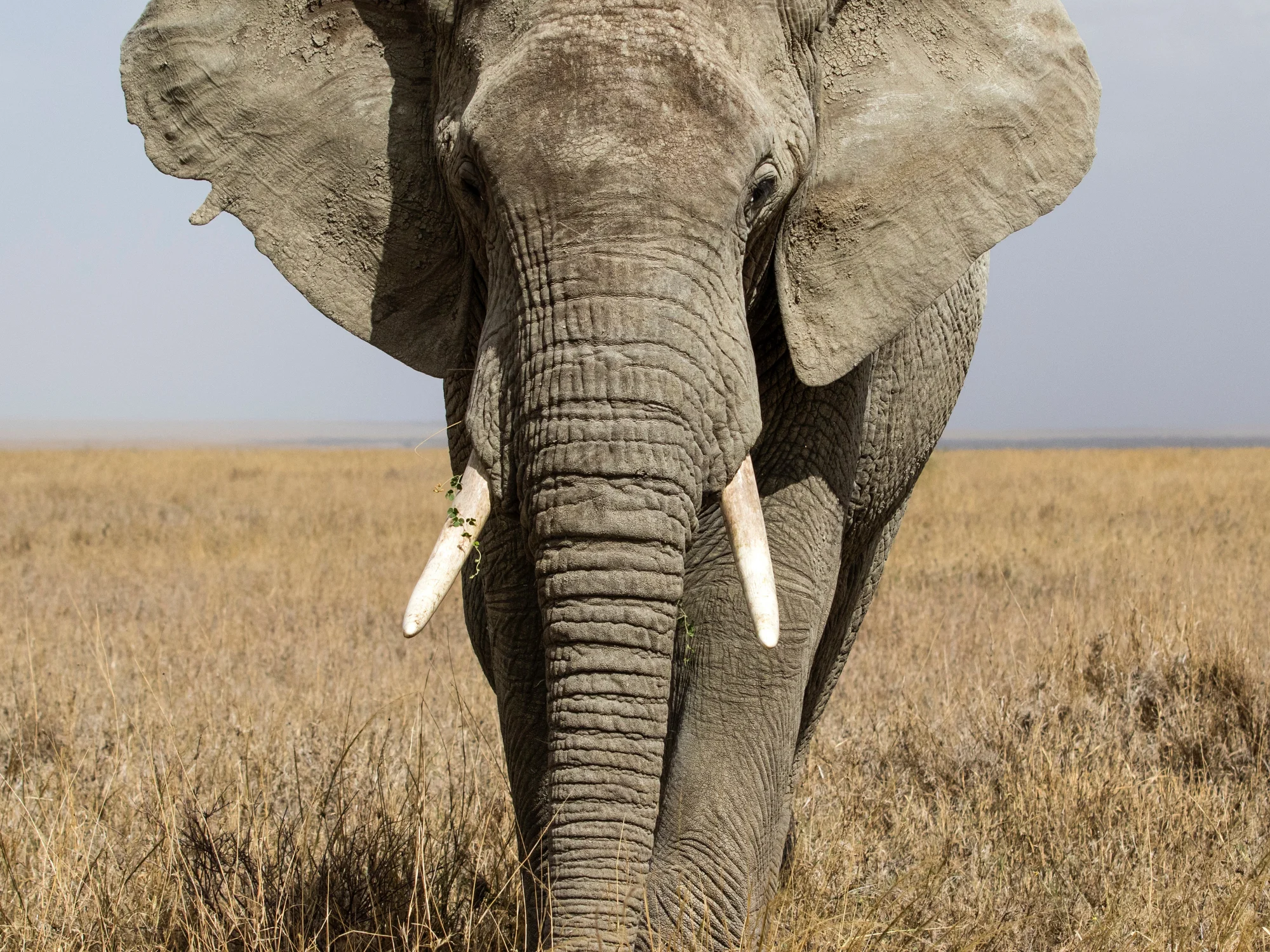
Majestic African bush elephant family walking across the golden savanna with dry land in the background
African bush elephants are the largest land animals on Earth and some of the most intelligent creatures in the animal kingdom! These magnificent giants have roamed the African continent for millions of years, playing a crucial role in shaping their environment. With their incredible memory, strong family bonds, and gentle nature, elephants show us just how amazing and complex animal societies can be.

Incredible Intelligence and Memory
African bush elephants have the largest brains of any land animal, weighing up to 12 pounds! They're famous for their amazing memories - the saying "an elephant never forgets" is actually true! Elephants can remember other elephants they haven't seen for decades, recall the locations of water sources during droughts, and even seem to mourn their deceased family members.
These intelligent giants use tools, like stripping bark from trees to use as flyswatters, and can learn to paint, play music, and solve complex problems. Their trunks, which contain over 40,000 muscles, are incredibly versatile tools used for breathing, smelling, touching, grasping, and communicating.
Amazing Family Life
Elephant society is led by the oldest female, called the matriarch. She guides her family group of daughters, sisters, and their babies. Male elephants leave the herd when they become teenagers and live alone or in small bachelor groups.
Baby elephants, called calves, are born after a 22-month pregnancy - the longest of any mammal! They stay close to their mothers for many years, learning essential survival skills like where to find water, which plants are safe to eat, and how to communicate with other elephants.
Where They Live
African bush elephants roam across the savannas, grasslands, and forests of sub-Saharan Africa, following ancient migration routes that have been used for thousands of years.
Specific Locations:
- Kenya: Amboseli National Park and Maasai Mara
- Tanzania: Serengeti National Park and Ngorongoro Crater
- Botswana: Chobe National Park and Okavango Delta
- South Africa: Kruger National Park and Addo Elephant National Park
- Zimbabwe: Hwange National Park
- Zambia: South Luangwa National Park
- Namibia: Etosha National Park
Preferred Habitats:
- Savanna grasslands: Open plains with scattered trees
- Woodland areas: Light forest with abundant vegetation
- River valleys: Near permanent water sources
- Seasonal wetlands: Areas that flood during rainy seasons
Diet and Ecosystem Role
African bush elephants are herbivores that spend 12-18 hours a day eating! They consume up to 300 pounds of vegetation daily, including grasses, fruits, bark, and roots. Their feeding habits actually help create and maintain habitats for other animals.
When elephants knock down trees, they create grasslands for zebras and antelopes. Their footprints collect rainwater, creating small ponds for other wildlife. They're called "ecosystem engineers" because they help shape entire landscapes!
Communication
Elephants have a complex communication system using sounds, body language, and even vibrations through the ground. They make rumbling sounds too low for humans to hear that can travel for miles, allowing elephant families to stay in contact across vast distances.
Conservation Challenges
Sadly, African bush elephants are endangered due to poaching for their ivory tusks and habitat loss. Their population has declined dramatically, but conservation efforts, anti-poaching programs, and protected areas are working hard to ensure these incredible animals survive for future generations.
These gentle giants remind us of the importance of protecting wildlife and the amazing intelligence that exists throughout the animal kingdom.