Western Lowland Gorilla
Learn about the intelligence, family structures, and conservation challenges facing western lowland gorillas in the rainforests of Central Africa

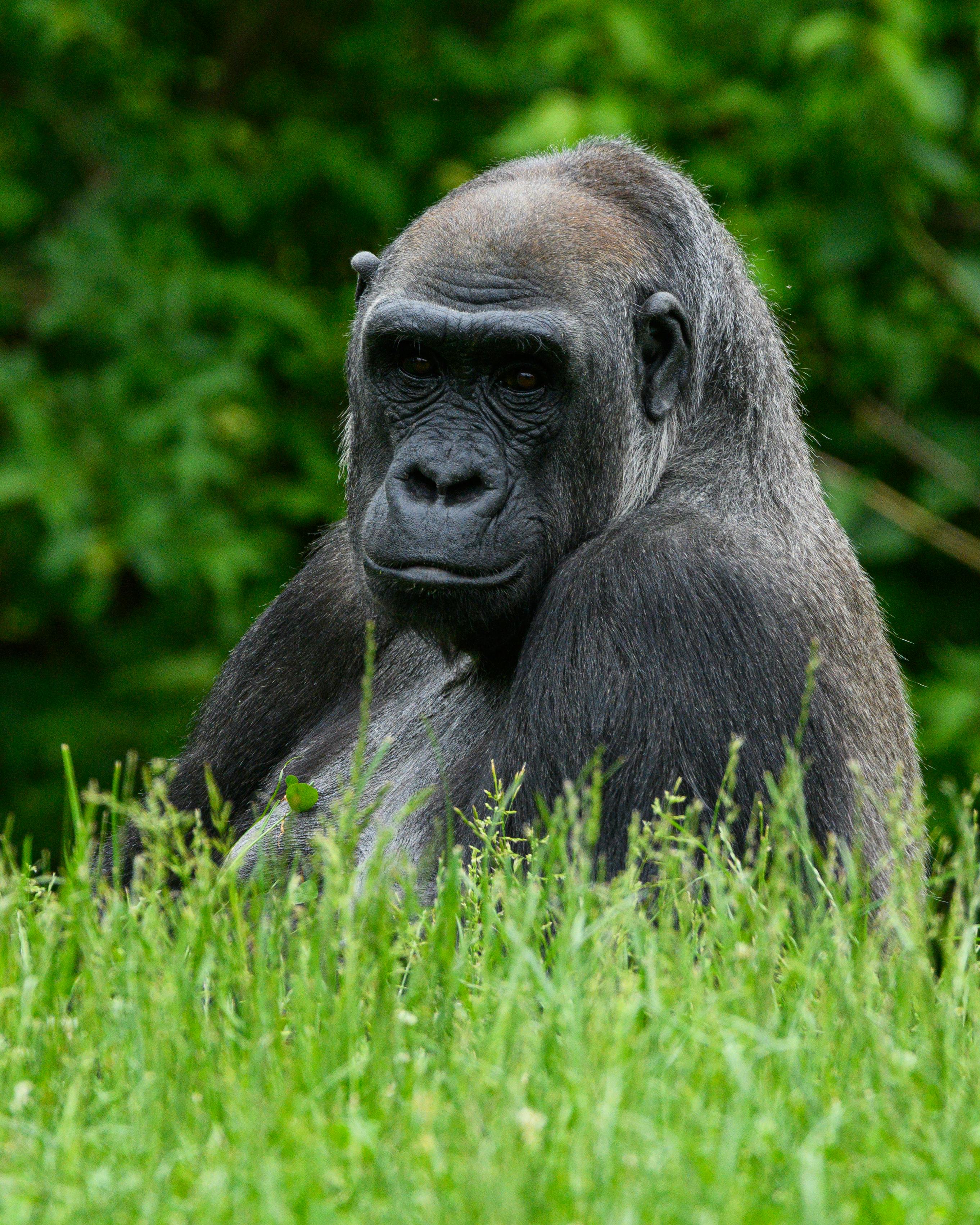
Massive silverback western lowland gorilla sitting peacefully in the dense rainforest of Central Africa
Western Lowland Gorillas: The Gentle Giants of Africa
Western lowland gorillas are among our closest animal relatives and some of the most intelligent creatures on Earth! These magnificent gentle giants share 98% of their DNA with humans and display remarkable intelligence, complex emotions, and strong family bonds. Living in the dense rainforests of Central Africa, they play a crucial role in their ecosystem while facing serious challenges from habitat loss and human activities.
Incredible Intelligence
Western lowland gorillas are remarkably intelligent animals that use tools, solve problems, and show complex emotions. They've been observed using sticks to test water depth, leaves as gloves to handle thorny plants, and rocks to crack open hard nuts. Some gorillas in captivity have learned sign language and can communicate with hundreds of different signs!
These amazing primates show empathy, grief, and joy much like humans do. They comfort each other when upset, celebrate when happy, and mothers have been seen carrying their deceased babies for days, showing what appears to be grief.
Family Life and Social Structure
Gorilla families are led by a dominant male called a silverback (named for the silver-gray hair on his back). A typical troop includes one silverback, several adult females, and their offspring. The silverback protects his family, decides where they travel and when they rest, and settles disputes.
Despite their massive size and strength, gorillas are generally peaceful, gentle animals. The silverback rarely needs to use aggression - usually, impressive displays like chest beating, roaring, and charging are enough to solve conflicts or scare away threats.
Baby Gorillas
Baby gorillas are born after an 8.5-month pregnancy and are completely dependent on their mothers. They ride on mom's back for the first few years of life, learning essential survival skills by watching and copying adult behaviors.
Young gorillas are playful and curious, spending much of their time wrestling, chasing each other, and swinging from vines. This play helps them develop strength, coordination, and social skills they'll need as adults.
Where They Live
Western lowland gorillas live exclusively in the dense tropical rainforests of Central and West Africa, requiring large areas of undisturbed forest to survive.
Specific Locations:
- Cameroon: Dja Faunal Reserve and surrounding forests
- Central African Republic: Dzanga-Sangha Protected Areas
- Republic of the Congo: Odzala-Kokoua National Park
- Democratic Republic of Congo: Salonga National Park
- Equatorial Guinea: Monte Alén National Park
- Gabon: Lopé National Park and Crystal Mountains
- Angola: Maiombe Forest (small population)
Preferred Habitats:
- Primary rainforest: Undisturbed forest with dense canopy
- Secondary forest: Regenerating forest areas
- Forest clearings: Natural openings with herbaceous vegetation
- Swamp forests: Seasonally flooded forest areas
- Montane forests: Higher elevation forests up to 4,000 feet
Habitat Requirements:
- Large territories: Troops need 4-8 square miles
- Diverse vegetation: Year-round food sources
- Water sources: Rivers, streams, or seasonal pools
- Nesting sites: Safe areas for building night nests
Diet and Feeding
Western lowland gorillas are primarily vegetarian, spending 6-8 hours each day foraging for food. Their diet includes over 100 different plant species:
- Fruits: Make up 60% of their diet when available
- Leaves and stems: Especially from herbs and vines
- Bark and roots: Important during fruit-scarce seasons
- Insects: Occasionally ants and termites (less than 5% of diet)
Gorillas are important seed dispersers for the rainforest. They eat fruits and spread seeds throughout their territory through their droppings, helping maintain forest diversity.
Daily Life
Gorillas follow a predictable daily routine. They wake at sunrise and spend the morning foraging and traveling. During the hot midday hours, they rest in the shade, grooming each other and playing. Afternoon brings more foraging before they build sleeping nests in trees or on the ground for the night.
Each gorilla builds a fresh nest every night using branches, leaves, and other vegetation. These nests are surprisingly comfortable and show that gorillas have individual preferences for nest-building styles!
Conservation Challenges
Western lowland gorillas are critically endangered with only about 100,000 individuals remaining in the wild. They face serious threats including:
- Habitat destruction: Logging and agriculture reducing forest areas
- Poaching: Illegal hunting for bushmeat trade
- Disease: Vulnerable to human diseases like Ebola
- Human encroachment: Growing human populations near gorilla habitats
Conservation Success Stories
Despite challenges, there are hopeful conservation efforts. Protected national parks, eco-tourism programs, and local community education are making a difference. Some populations are stable or even slowly increasing thanks to dedicated protection efforts.
These gentle giants remind us of our connection to the natural world and the importance of protecting Earth's remaining wild spaces for future generations!