Saber-Toothed Cat (Smilodon)

Learn about Smilodon, the Ice Age hunter with long saber teeth and powerful forelimbs.
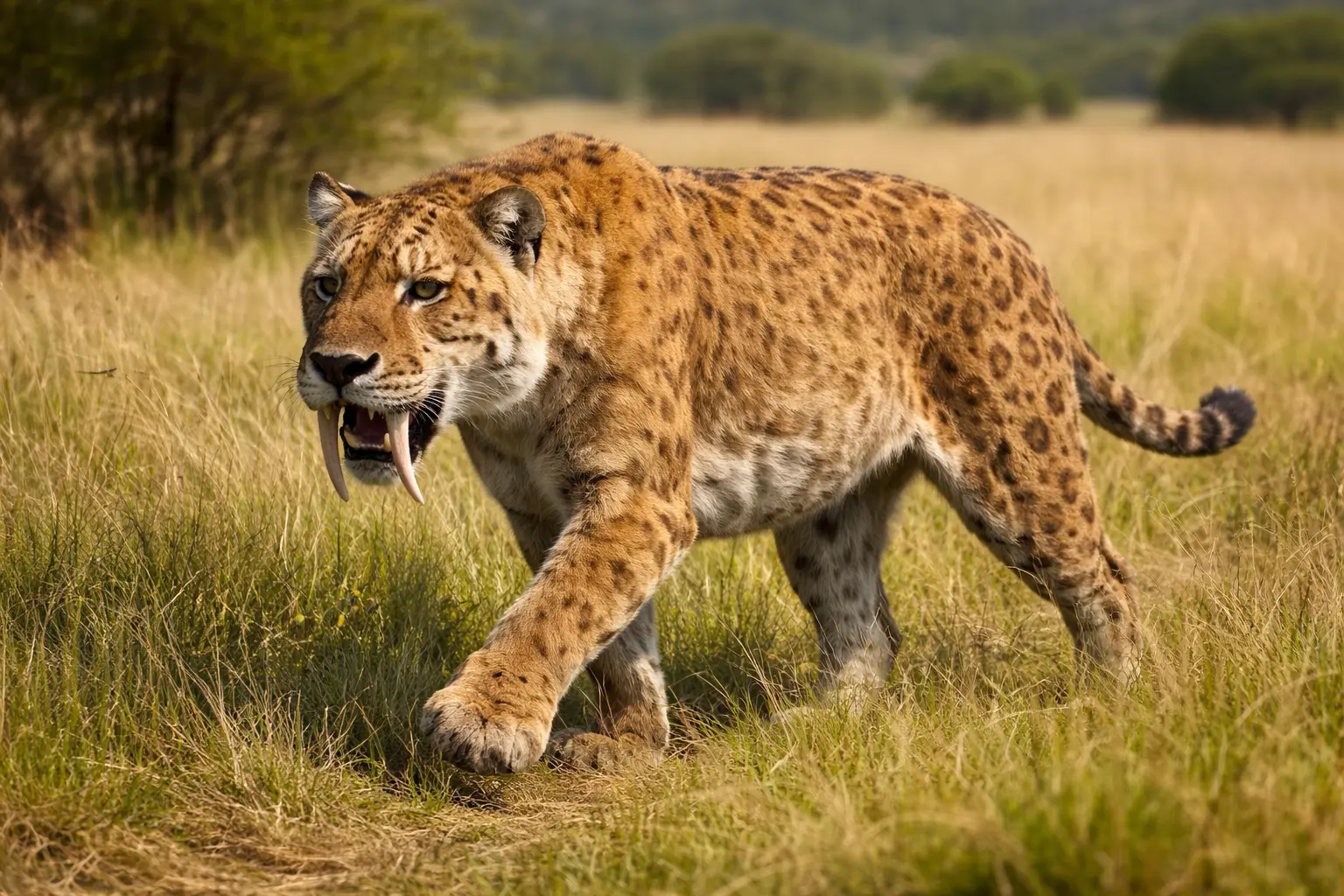

Smilodon walking through grasslands with its long saber teeth visible.
1/3

Smilodon walking through grasslands with its long saber teeth visible.

Duskbloom Littles (Artistic Image Rendering)

Smilodon, often called the saber-toothed cat, lived during the Ice Age. It was not a dinosaur. It was a mammal and a powerful predator.

SABER-TOOTHED CAT
COMMON NAME: Saber-Toothed Cat (Smilodon)
SCIENTIFIC NAME: Smilodon
TYPE: Mammal
DIET: Carnivore
GROUP NAME: Unknown
WHEN IT LIVED: Pleistocene Ice Age (until about 10,000 years ago)
WHERE IT LIVED: North and South America
SIZE: About 5 to 6 feet long
WEIGHT: About 400 to 600 pounds
Info box image

Teeth and Strength

Smilodon had long canine teeth that could be over 6 inches long. It also had very strong front legs that helped it hold onto prey.
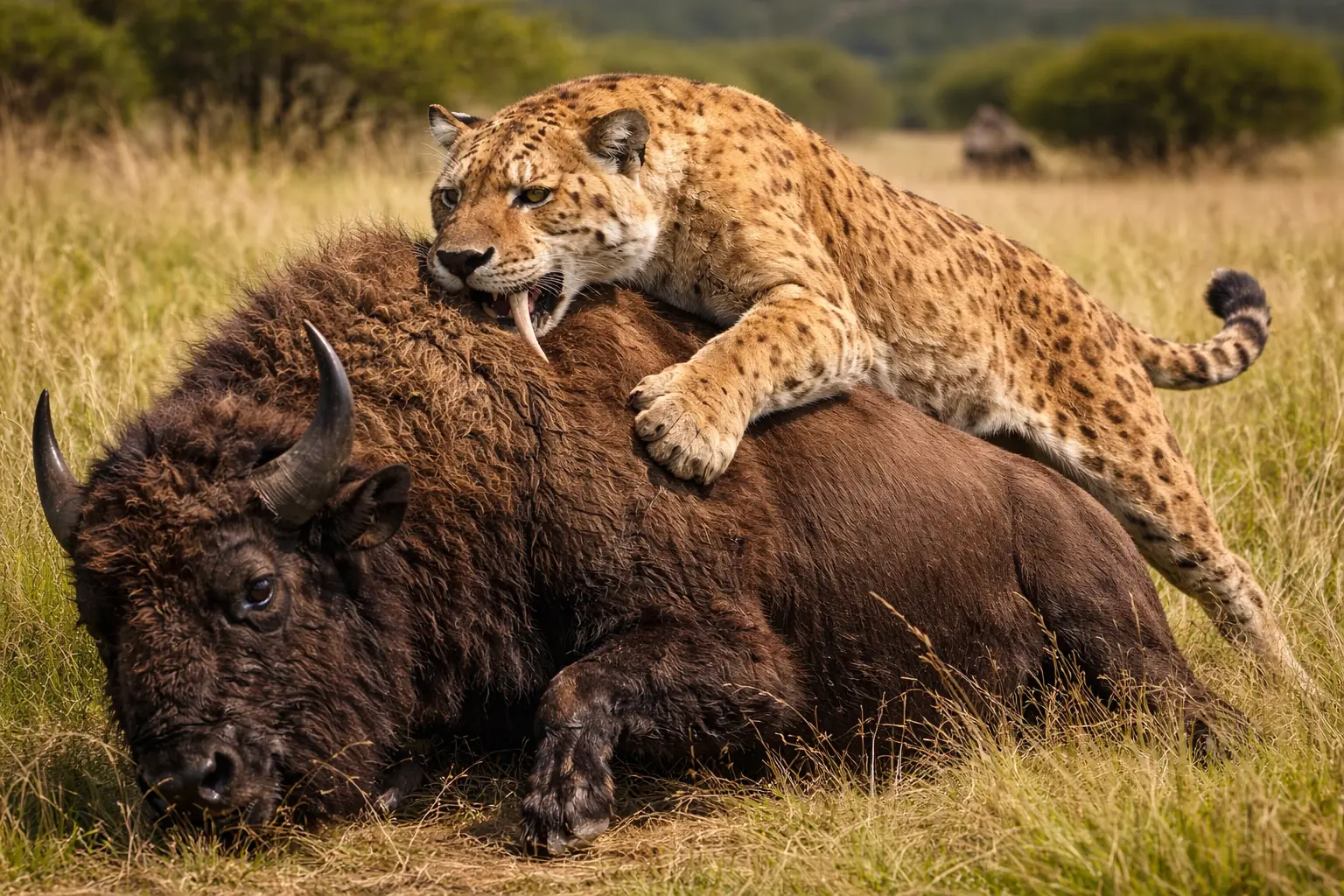
Smilodon hunting scene

Scene showing how Smilodon might have used its strength to hunt. Image Credit: Duskbloom Littles (Artistic Image Rendering)

Life in the Ice Age

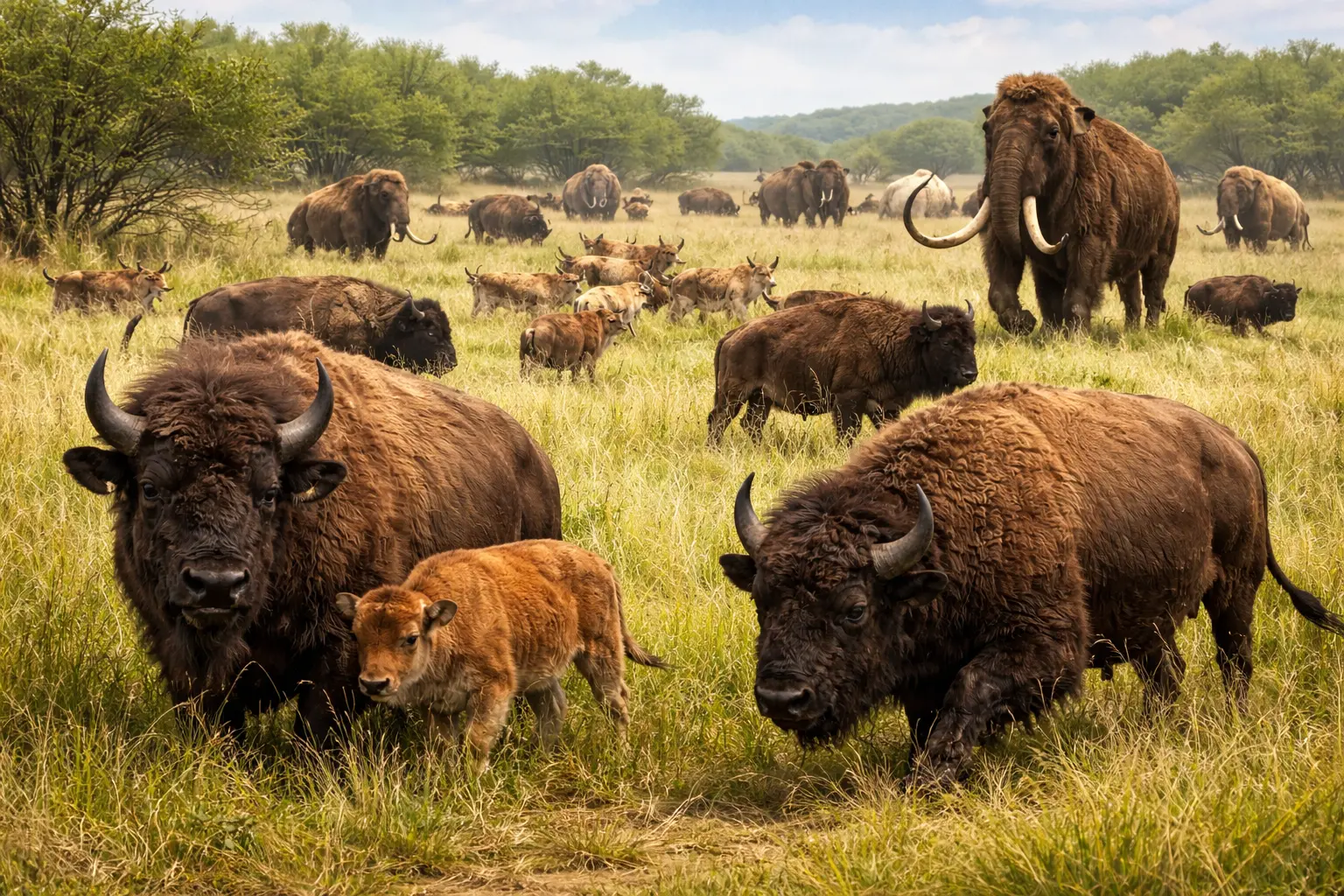
Smilodon lived in grasslands and open woodlands. It may have hunted animals like bison, young mammoths, and deer.
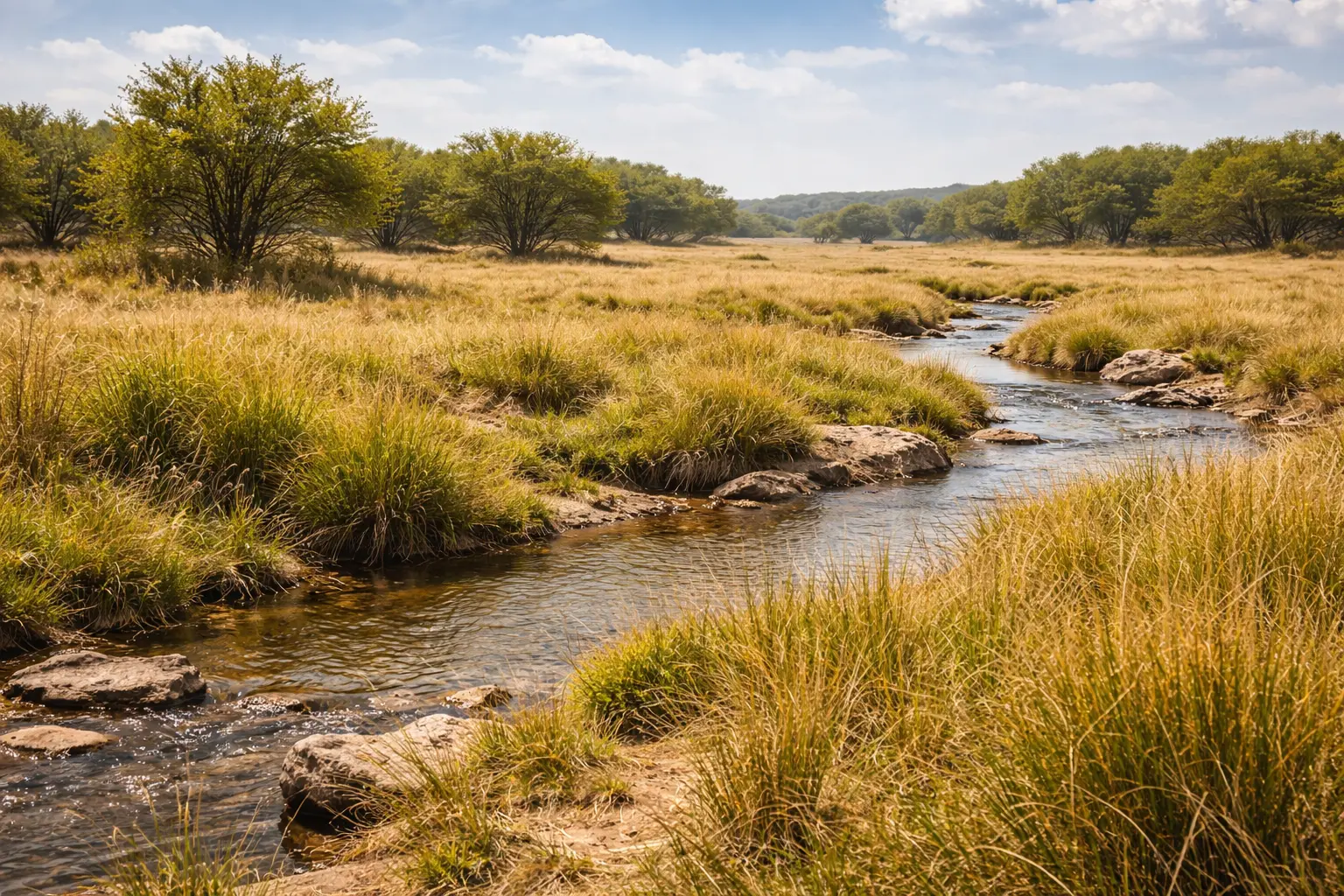
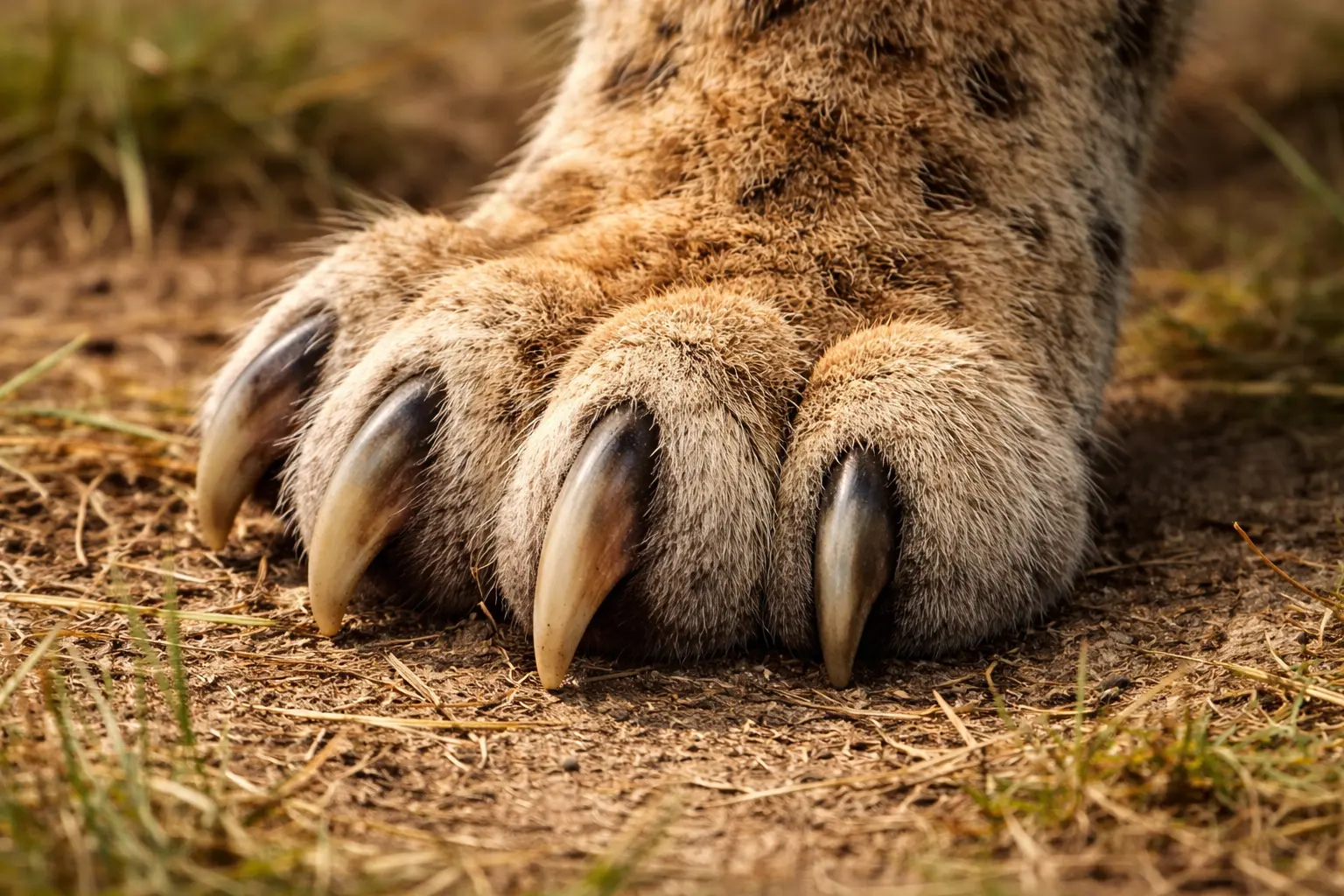
Ice Age GrasslandSmilodon Paw ClawPrey Animal HerdLa Brea Tar Pits Fossils
Smilodon clues: Ice Age grasslands, sharp claws, likely prey animals, and famous fossil sites like the La Brea Tar Pits. Image Credits (from top left to bottom right): Duskbloom Littles (Artistic Image Rendering); Duskbloom Littles (Artistic Image Rendering); Duskbloom Littles (Artistic Image Rendering); M. O'Sullivan, VOA, Wikimedia Commons

SMILODON FACTS
Smilodon was stockier than modern big cats
Its teeth were fragile if used the wrong way
Many fossils have been found at the La Brea Tar Pits
It lived alongside mammoths and giant ground sloths

Smilodon shows how different Ice Age predators were from the big cats we see today.