pH Indicator Paint
Create color-changing artwork using red cabbage juice that reveals acids and bases through art!
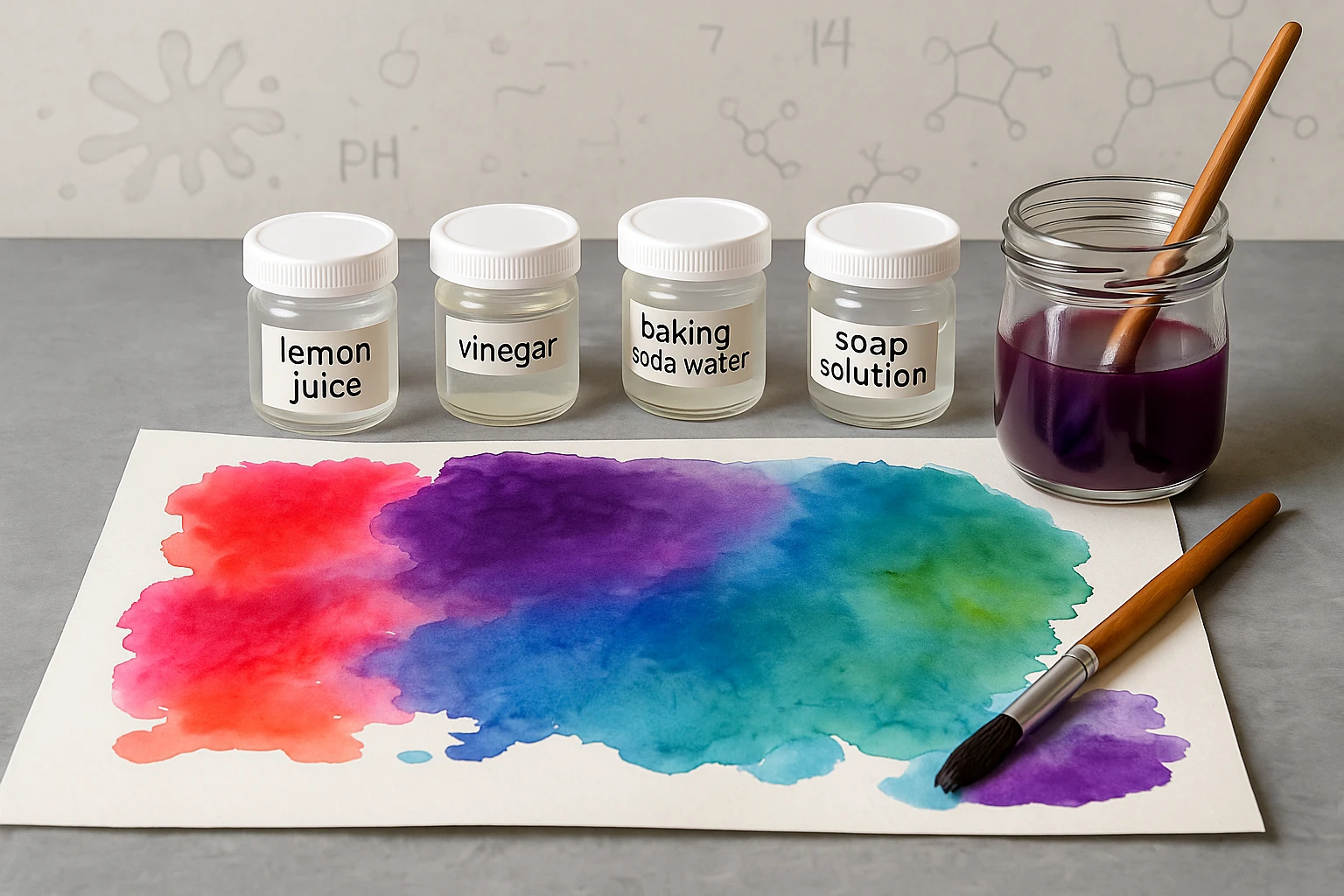
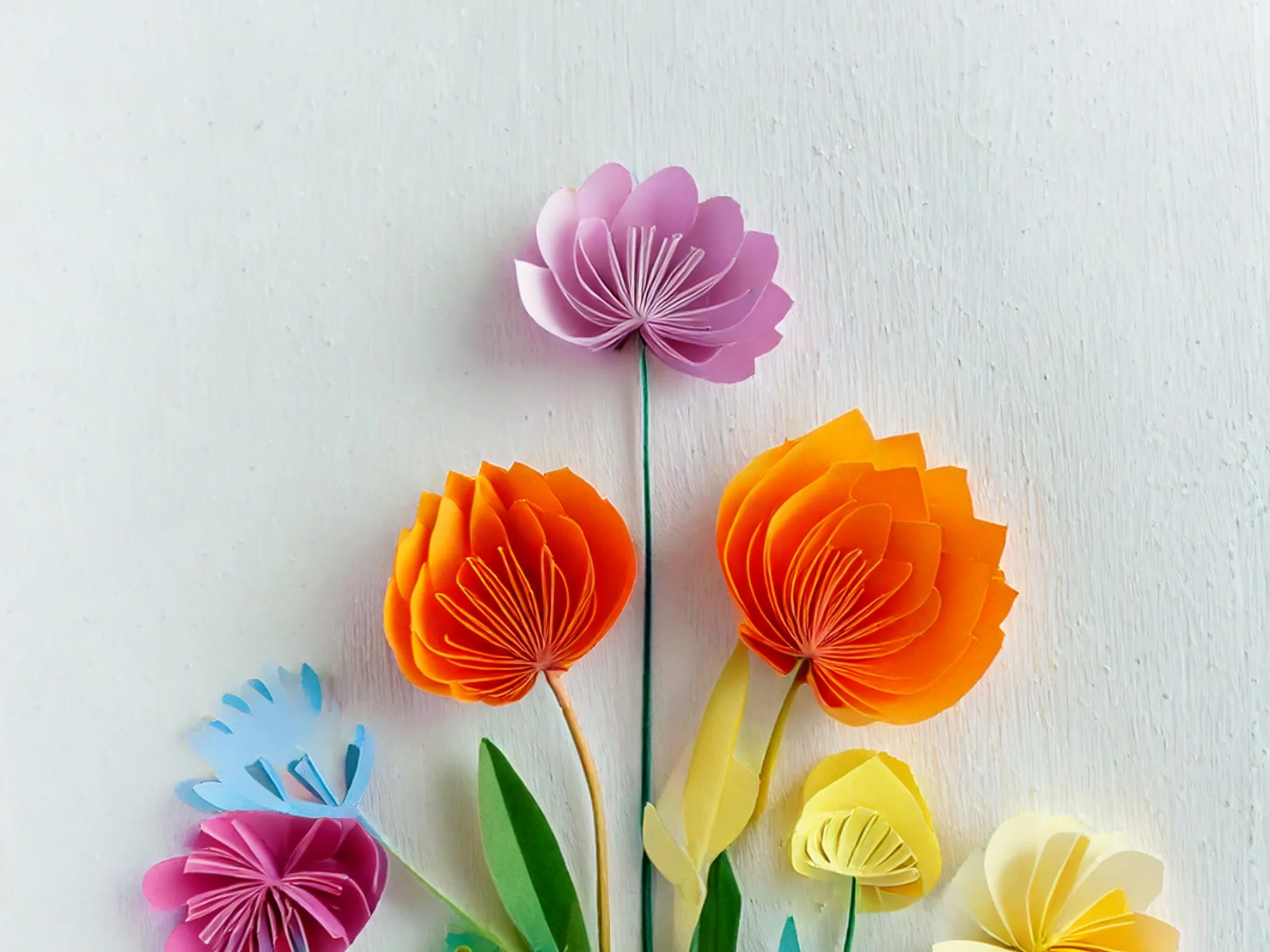
A white paper showing colorful artwork painted with red cabbage indicator that displays different colors (red, purple, blue, green) where different household liquids have been applied, with small containers of various test solutions nearby
EXPERIMENT PHOTO BY Duskbloom Littles
Create magical artwork that changes colors like a chameleon using the amazing chemistry of pH indicators! Red cabbage juice contains special chemicals called anthocyanins that change color when they meet acids or bases. Your paintings will turn red with acids like lemon juice, blue with bases like baking soda, and create a rainbow of colors in between - it's like having a chemistry lab and art studio combined!
The color-changing magic happens because anthocyanin molecules change their structure when they encounter different pH levels. In acidic solutions (pH below 7), they appear red or pink. In neutral solutions (pH 7), they stay purple. In basic solutions (pH above 7), they turn blue or green. This makes your cabbage paint a natural universal indicator that reveals the hidden chemistry of everyday household items!
Parent Supervision Note: This experiment requires adult assistance for preparing hot cabbage extract and handling household testing materials safely.
EXPERIMENT STEPS
What You'll Need:
- 2 cups chopped red cabbage
- Hot water for extraction
- Strainer
- Various household items for testing (lemon juice, vinegar, baking soda, soap)
- Small containers for mixing
- Paintbrushes
- White paper
- Adult helper for heating
- pH test strips (optional)
Step-by-Step Instructions:
- Ask adult to make cabbage juice - Simmer chopped cabbage in water for 30 minutes
- Strain and cool - Remove cabbage pieces and let purple juice cool completely
- Prepare test solutions - Mix small amounts of baking soda with water, squeeze fresh lemon juice
- Paint with cabbage juice - Use pure cabbage juice as your base paint on paper
- Add test solutions - While cabbage paint is still wet, drop different solutions onto it
- Watch colors appear - Observe immediate color changes as solutions mix
- Create patterns - Use different solutions to "paint" over dried cabbage areas
- Document results - Record which solutions created which colors
pH indicator painting demonstrates acid-base chemistry, natural indicators, and molecular structure changes - the same principles used in laboratory testing, environmental monitoring, and quality control in food and medicine production!