Savanna
Discover the grasslands where the world's largest land animals roam and spectacular wildlife migrations happen

Zebras and wildebeest travel together across the golden savanna grasslands.
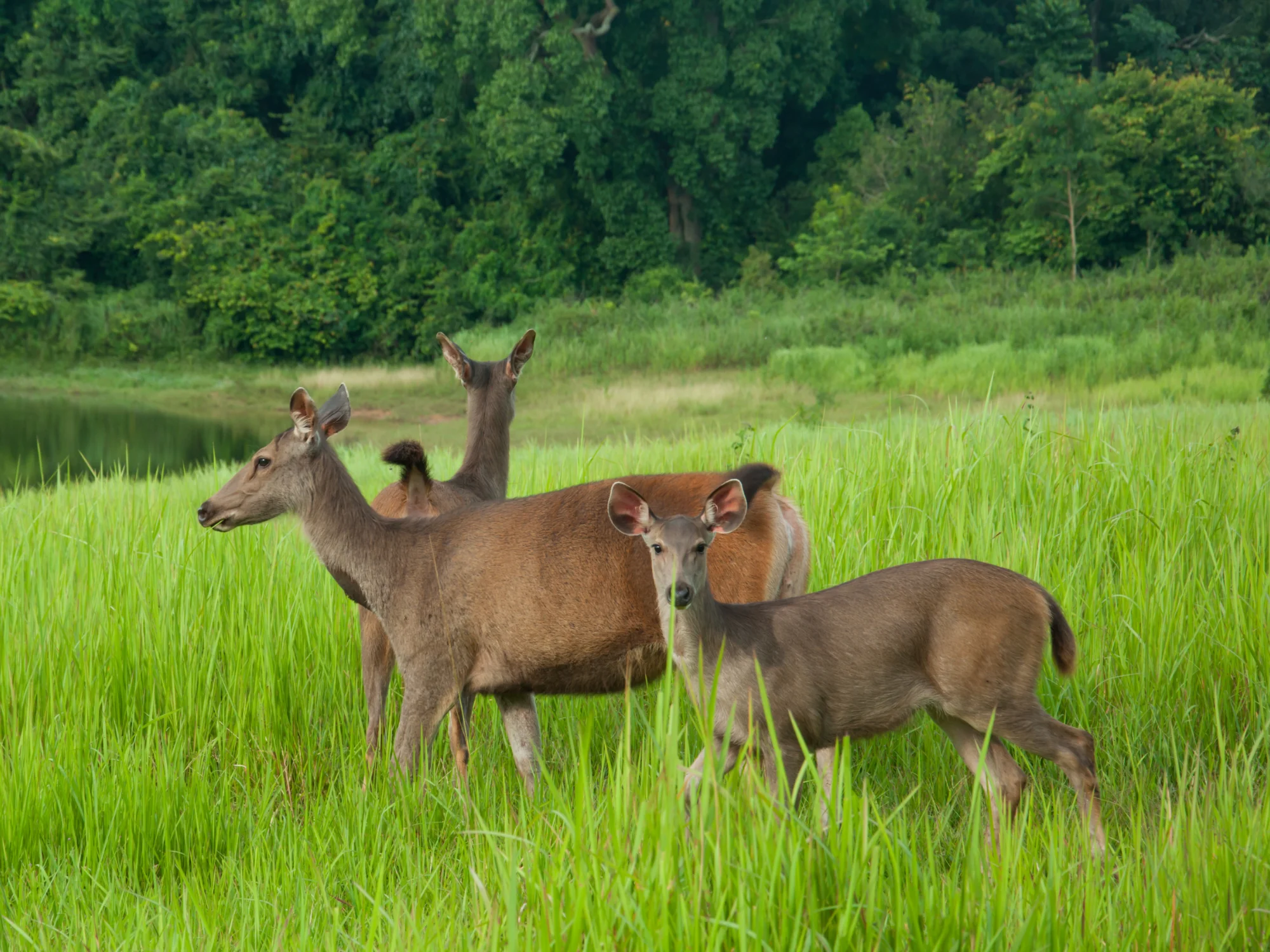
Savannas are incredible grasslands where some of Earth's most amazing animals live! These vast open spaces are like nature's own game parks, home to elephants, lions, giraffes, and millions of grazing animals. Savannas have just enough trees to provide shade but not enough to make a forest.
The Land of Giants
African savannas are famous for hosting the "Big Five" - lions, elephants, leopards, rhinoceros, and cape buffalo. Elephants are ecosystem engineers that create waterholes, knock down trees to maintain grasslands, and spread seeds in their dung. Giraffes are the world's tallest animals, perfectly designed to eat leaves from tall acacia trees.

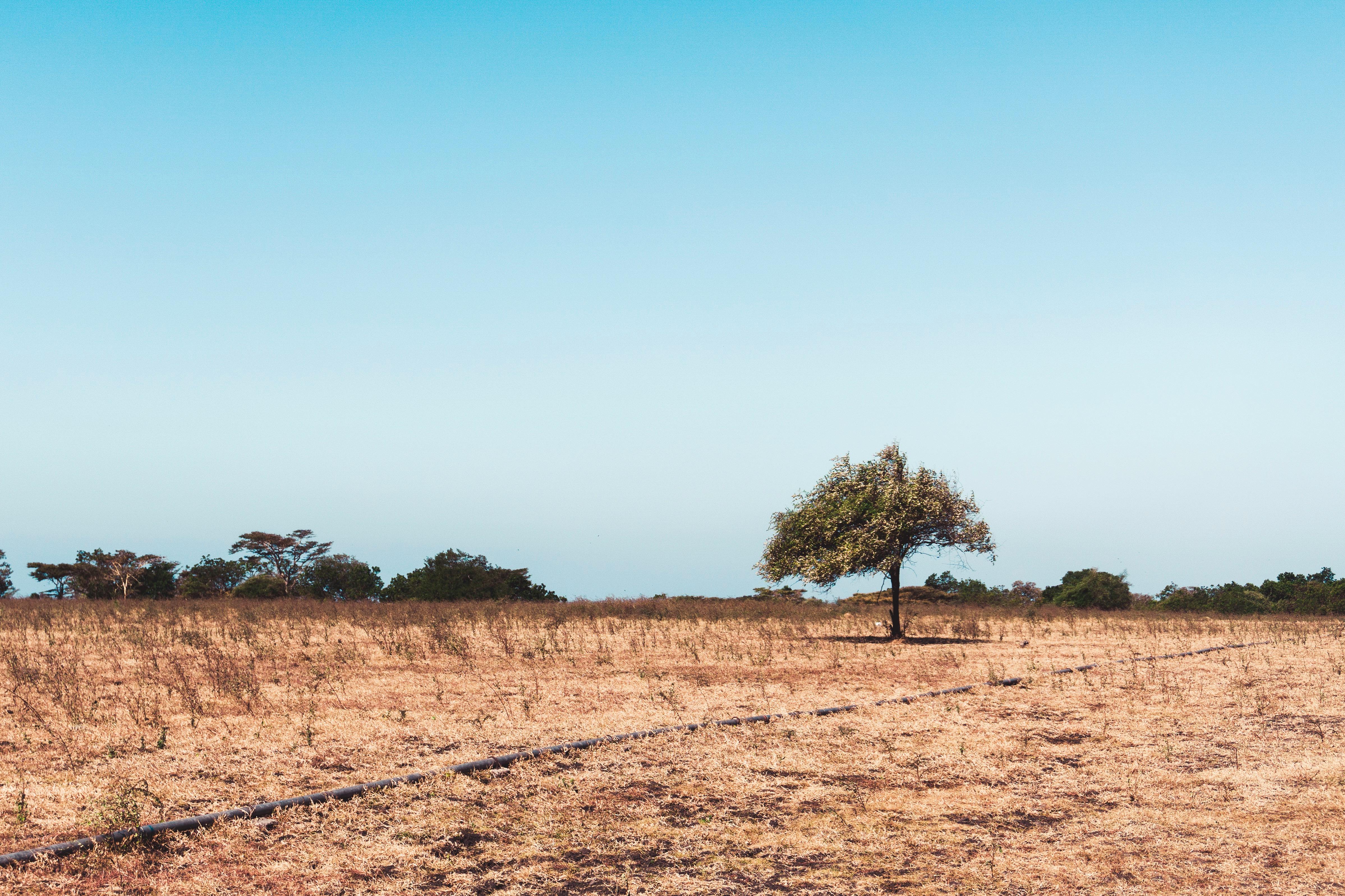
Acacia trees are the signature trees of African savannas, with umbrella-shaped crowns and thorns that protect them from hungry animals. These trees can survive both droughts and fires, and they fix nitrogen in the soil to help grass grow better.
The Great Migration
The Great Migration in Africa is one of nature's most spectacular events! Over 2 million wildebeest, zebras, and gazelles travel in a huge circle following the rains and fresh grass. This journey covers over 1,800 miles and takes a full year to complete.
Predators like lions, cheetahs, leopards, and hyenas follow the herds, taking advantage of the abundance of prey. Crocodiles wait in rivers for the dramatic river crossings where thousands of animals must brave the dangerous waters to continue their journey.
Savannas show us some of nature's most dramatic relationships between predators and prey, and remind us that wide open spaces are essential for the incredible wildlife spectacles that have amazed humans for thousands of years!