Urban Ecosystems
Discover how wildlife adapts to city life and creates amazing communities in parks, buildings, and urban spaces

City skyline with urban wildlife including birds, integrated into buildings
Urban ecosystems prove that wildlife can adapt to live almost anywhere! Cities might seem like concrete jungles, but they're actually home to thousands of species that have learned to thrive alongside humans. From rooftop gardens to subway tunnels, urban environments create surprising habitats for amazing animals and plants.
Wildlife in the City
City parks are like green islands that provide homes for birds, squirrels, and many other animals. Street trees create aerial highways for urban wildlife. Rooftop gardens and green walls bring nature back to buildings. Even storm drains and abandoned lots can become important urban habitats.
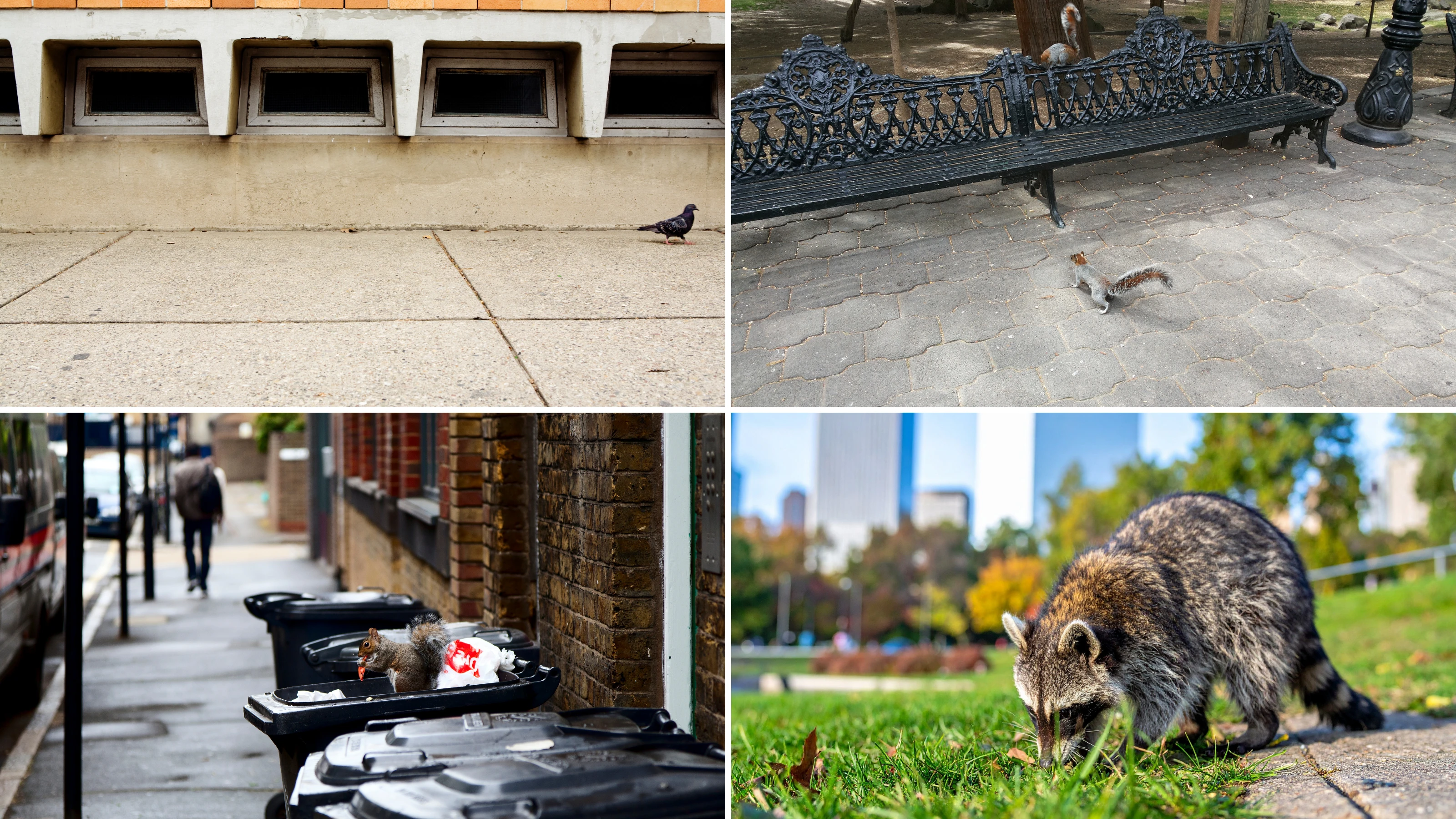 Urban habitat types showing parks, streets, and wildlife corridors in cities
Urban heat islands make cities warmer than surrounding areas, which can actually help some animals survive winter. Artificial lights change how nocturnal animals behave. Tall buildings can serve as artificial cliffs for birds that naturally nest on rock faces.
Amazing Urban Animals
Peregrine falcons nest on skyscrapers and hunt pigeons at over 200 mph through city streets! Urban coyotes have learned to use storm drains as highways and hunt in city parks. Raccoons are expert urban survivors that can open garbage cans and even wash their food in park fountains.
City pigeons are descended from rock doves and treat buildings like their ancestral cliff homes. Urban hawks hunt from fire escapes and light poles. Rats and mice create entire underground civilizations in subway systems. Bats roost under bridges and in building attics.
Urban ecosystems show us that nature is incredibly adaptable - cities can be important refuges for wildlife when we design them thoughtfully and remember that we share our urban spaces with many other species!