Boreal Forests
Explore the cold northern forests where evergreen trees and tough animals survive freezing winters

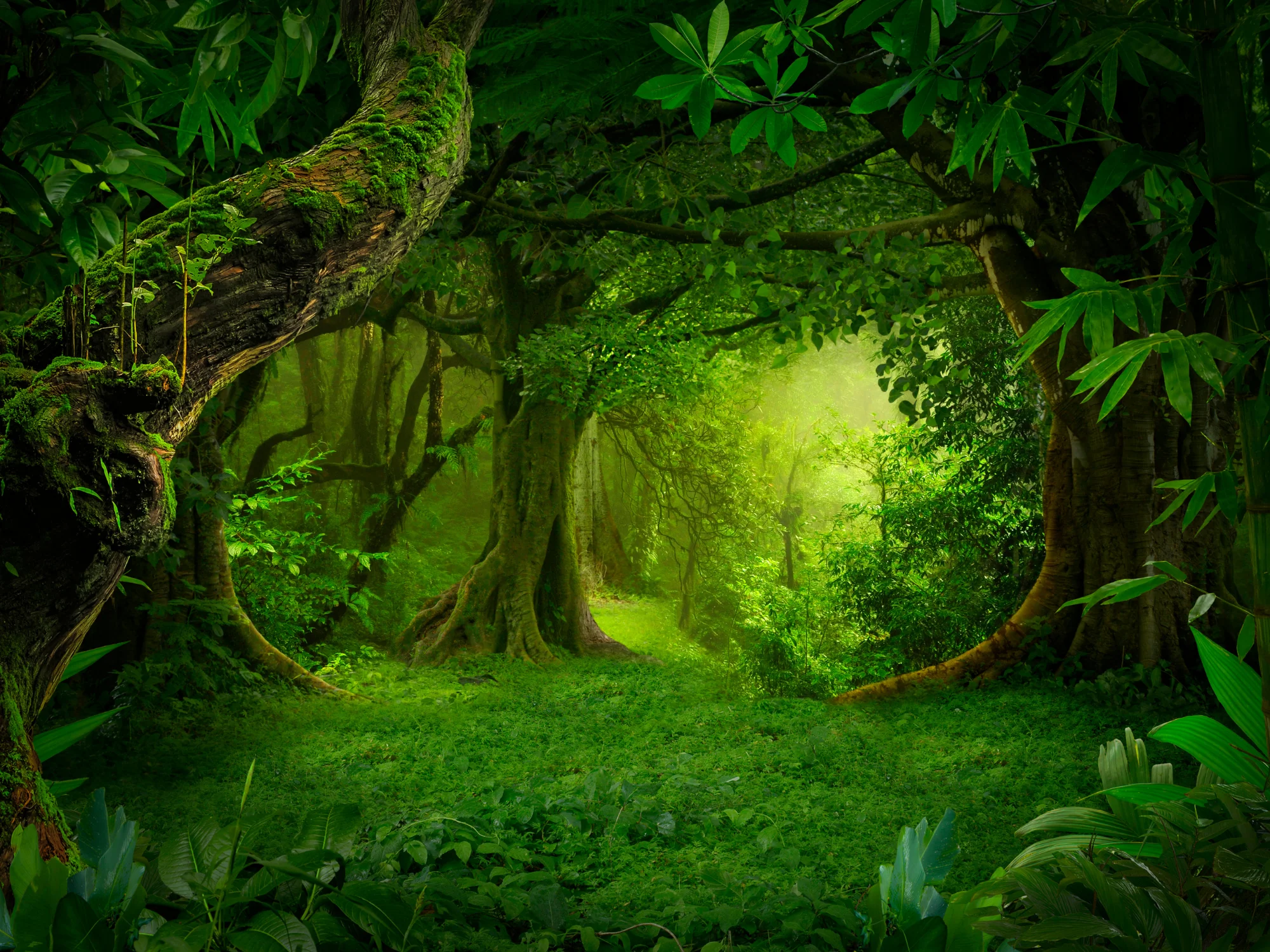
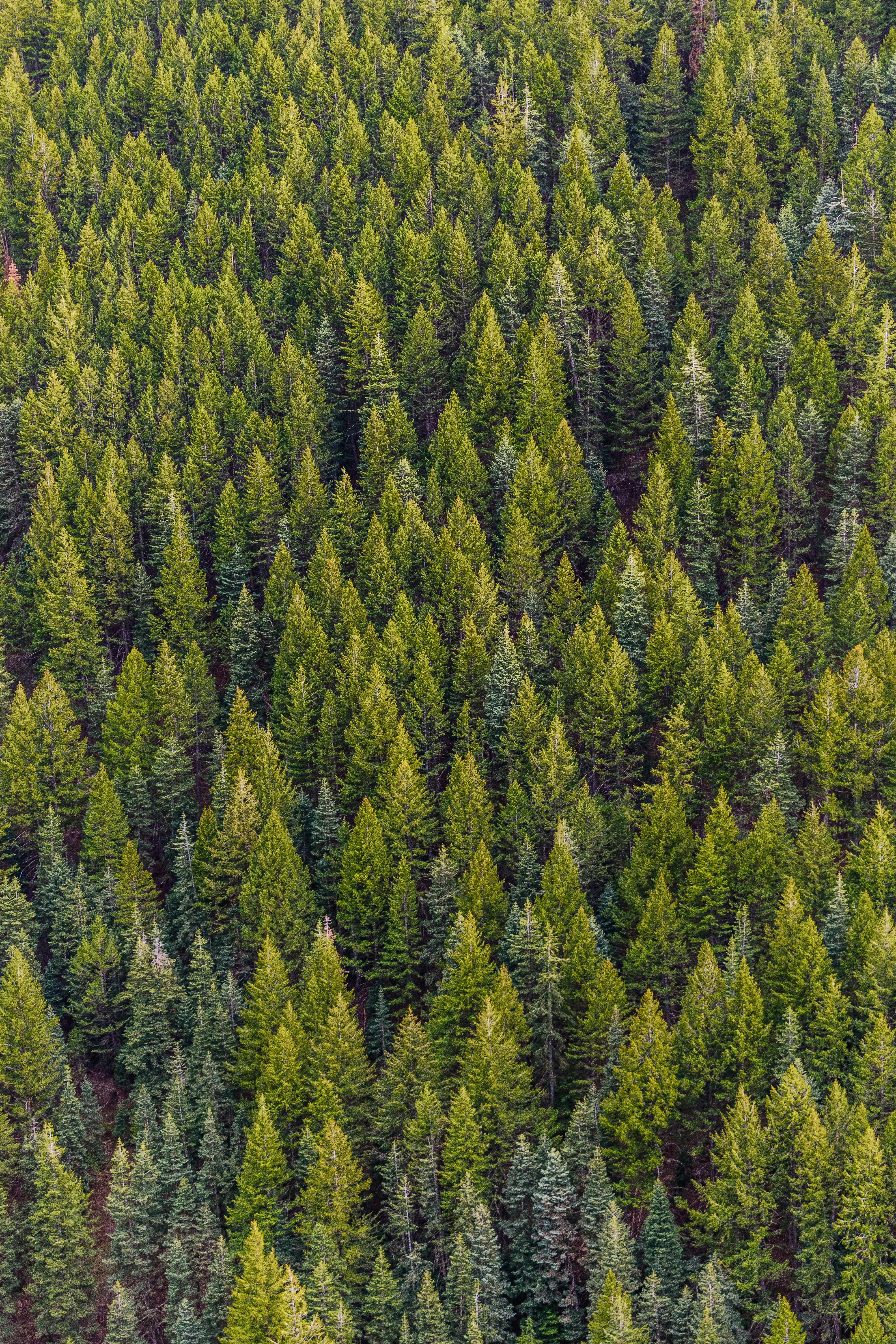
A lush green boreal forest
Boreal forests are Earth's tough guys! These incredible forests survive in some of the coldest places on our planet. They stretch across the northern parts of Canada, Alaska, and Russia like a giant green belt around the top of the world. They're also called the taiga - which means "land of little sticks" in Russian!
The Land of Evergreen Giants
Boreal forests are filled with evergreen trees that keep their needle-shaped leaves all year long. Spruce, fir, and pine trees dominate these forests because they're built to handle heavy snow and freezing temperatures. Their pointy tops help snow slide off, and their waxy needles don't freeze like flat leaves would.
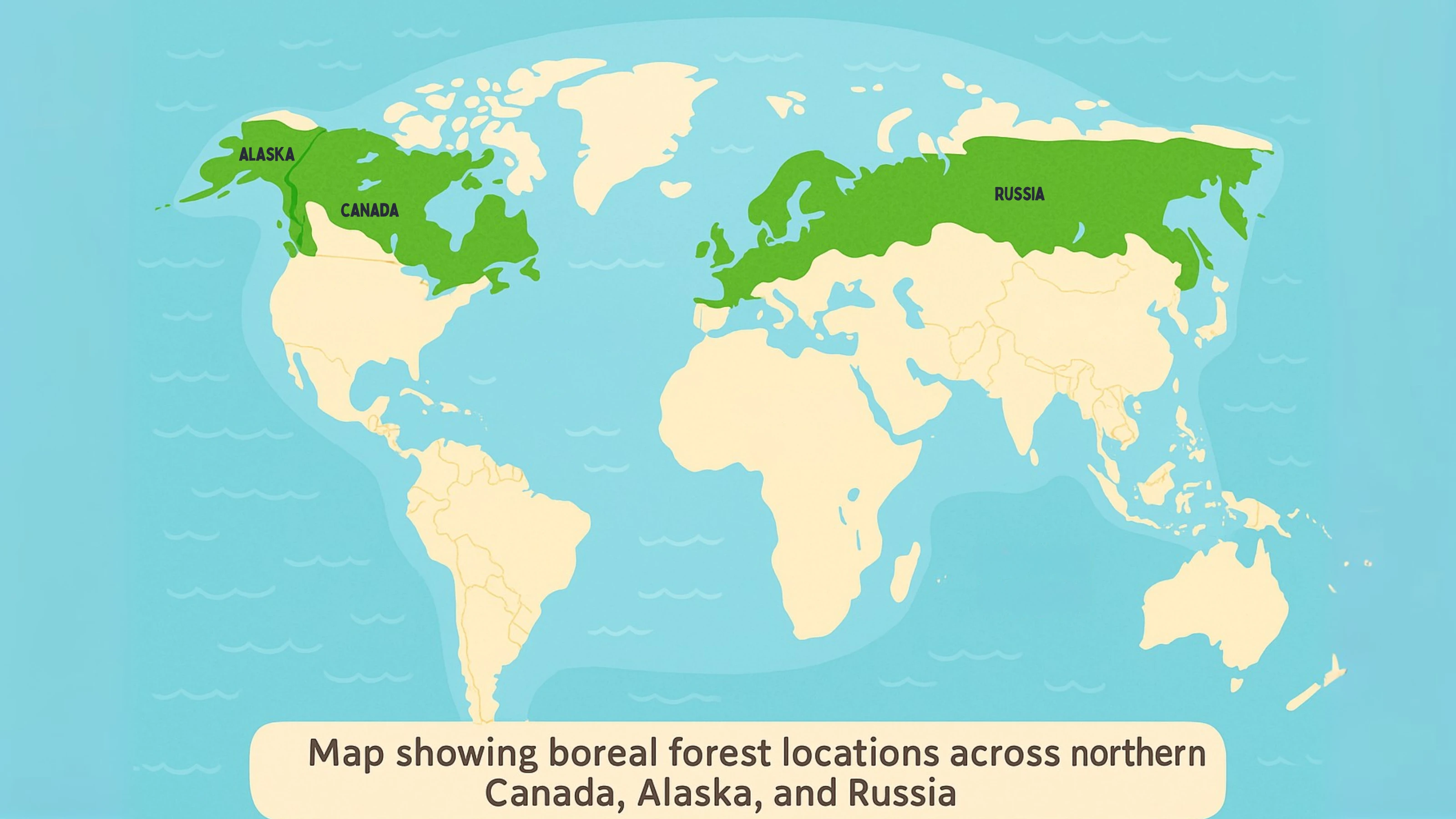 Caption: Map showing boreal forest locations across northern Canada, Alaska, and Russia
The growing season here is super short - only about 130 days without frost! Trees grow very slowly, but they can live for hundreds of years. The forest floor stays frozen for most of the year, which is called permafrost.
Incredible Cold-Weather Animals
Boreal forest animals are built for survival! Moose are the forest giants with long legs perfect for walking through deep snow. Caribou migrate in huge herds, traveling hundreds of miles to find food. Wolves hunt in packs and have thick fur coats to stay warm.
Lynx have huge paws that work like snowshoes, helping them walk on top of snow without sinking. Snowshoe hares turn white in winter to blend in with snow, then brown again in summer! Bears here are extra big and fluffy to survive the long, cold winters.
Boreal forests prove that life can thrive anywhere - even in Earth's coldest places, these tough trees and amazing animals make their homes!