Carnivorous Plants
Meet amazing plants that eat insects and small animals using clever traps, sticky surfaces, and snapping jaws
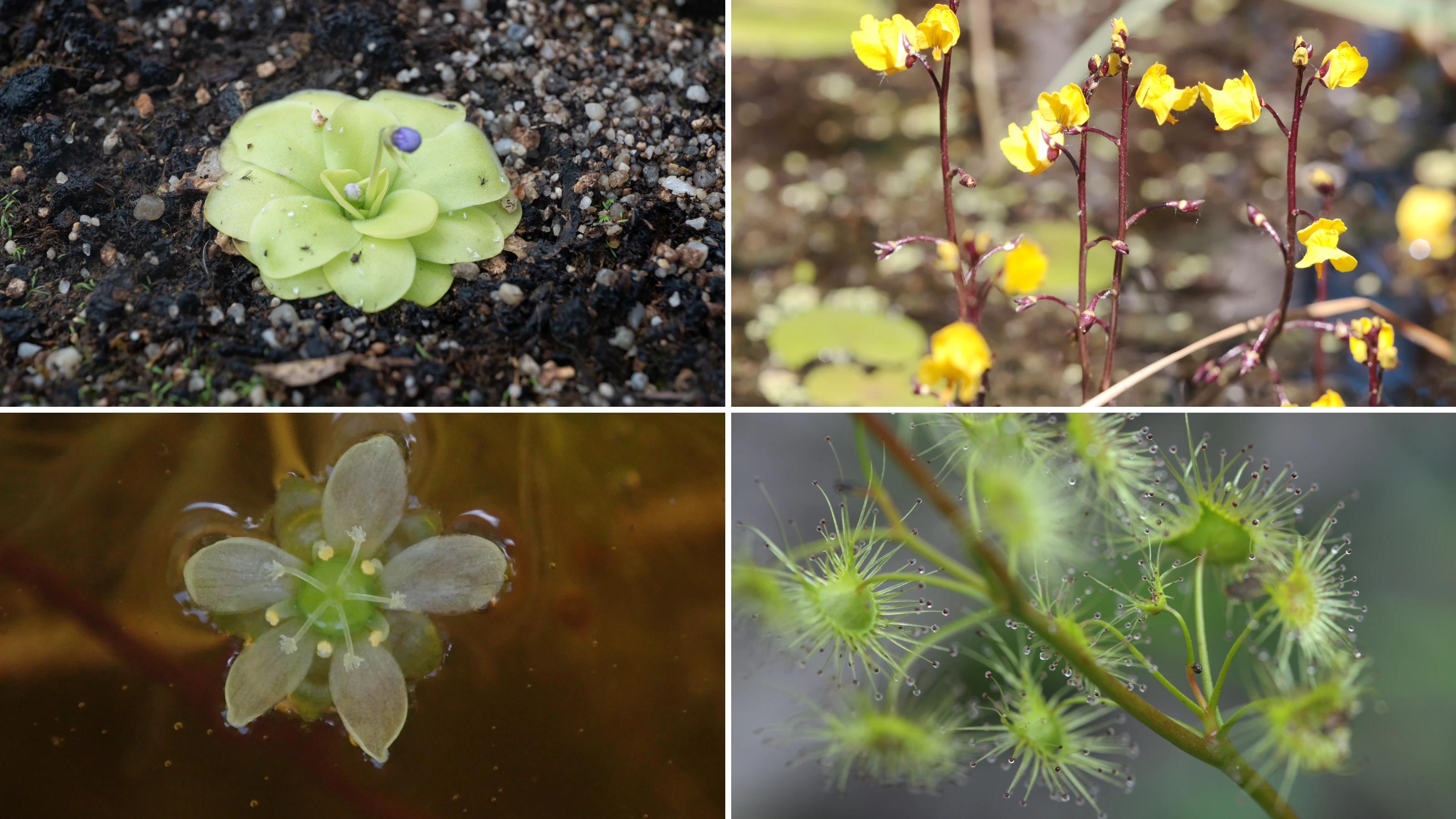
More amazing carnivorous plants! Top left: Butterwort, Top right: Bladderwort, Bottom left: Waterwheel plant, Bottom right: Australian sundew.
Collage BY Duskbloom Littles
Carnivorous plants are nature's amazing hunters! These incredible plants have learned to catch and eat insects and small animals because they grow in places where the soil doesn't have enough nutrients. Instead of just making food from sunlight like other plants, they've become clever predators with fascinating traps.
Venus Flytraps: The Snapping Hunters
Venus flytraps are the most famous meat-eating plants! Their leaves look like little green mouths with spiky teeth around the edges. When an insect crawls inside and touches the tiny trigger hairs twice, SNAP! The trap closes in less than a second, trapping the bug inside.
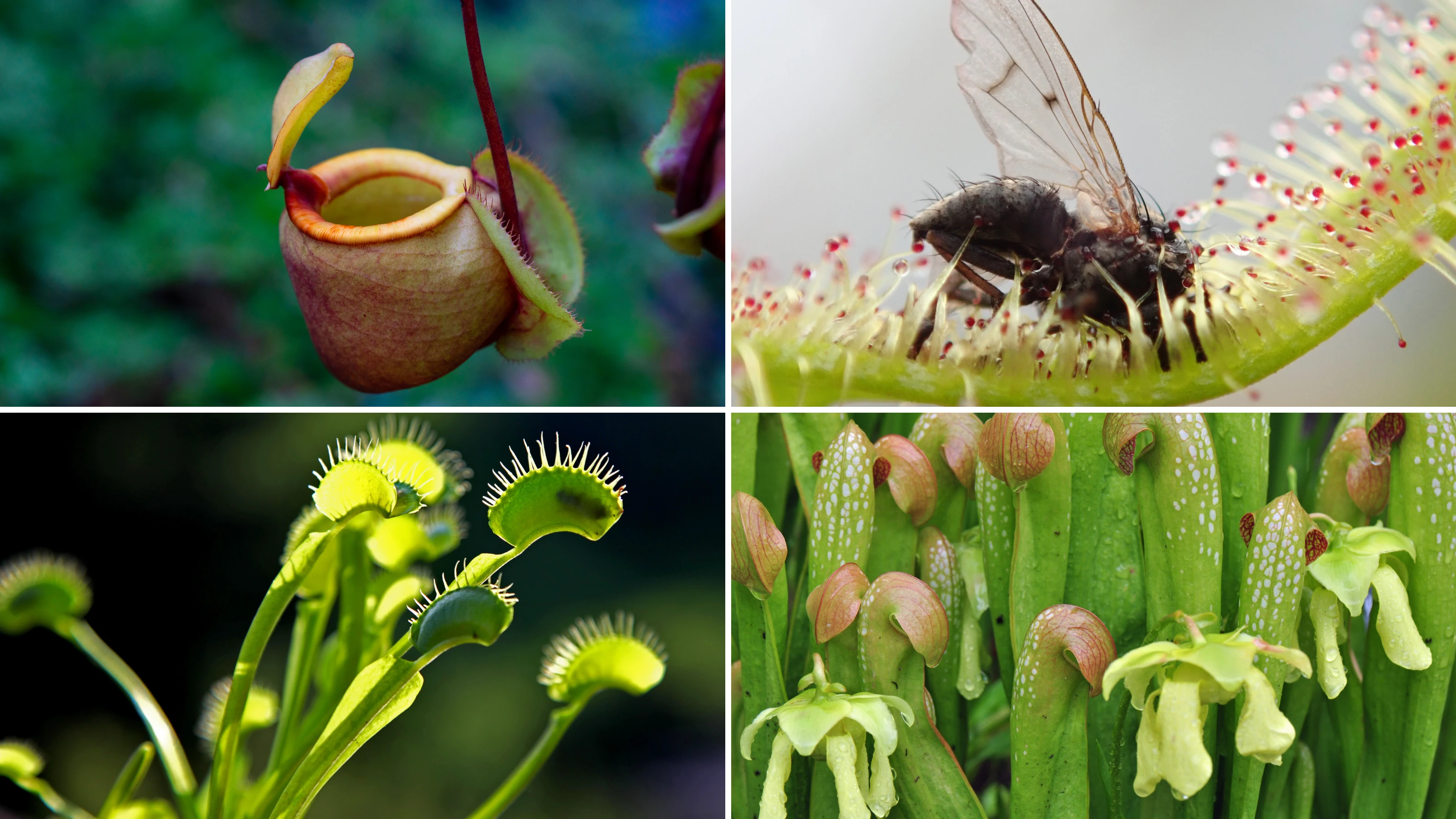 Carnivorous plants use special traps to catch insects! Top left: Pitcher plant, Top right: Sundew, Bottom left: Venus flytrap, Bottom right: Cobra lily.
The plant then releases special juices that dissolve the insect over about 10 days, getting nutrients like nitrogen and phosphorus that help it grow. After digesting its meal, the trap opens again, ready to catch another victim!
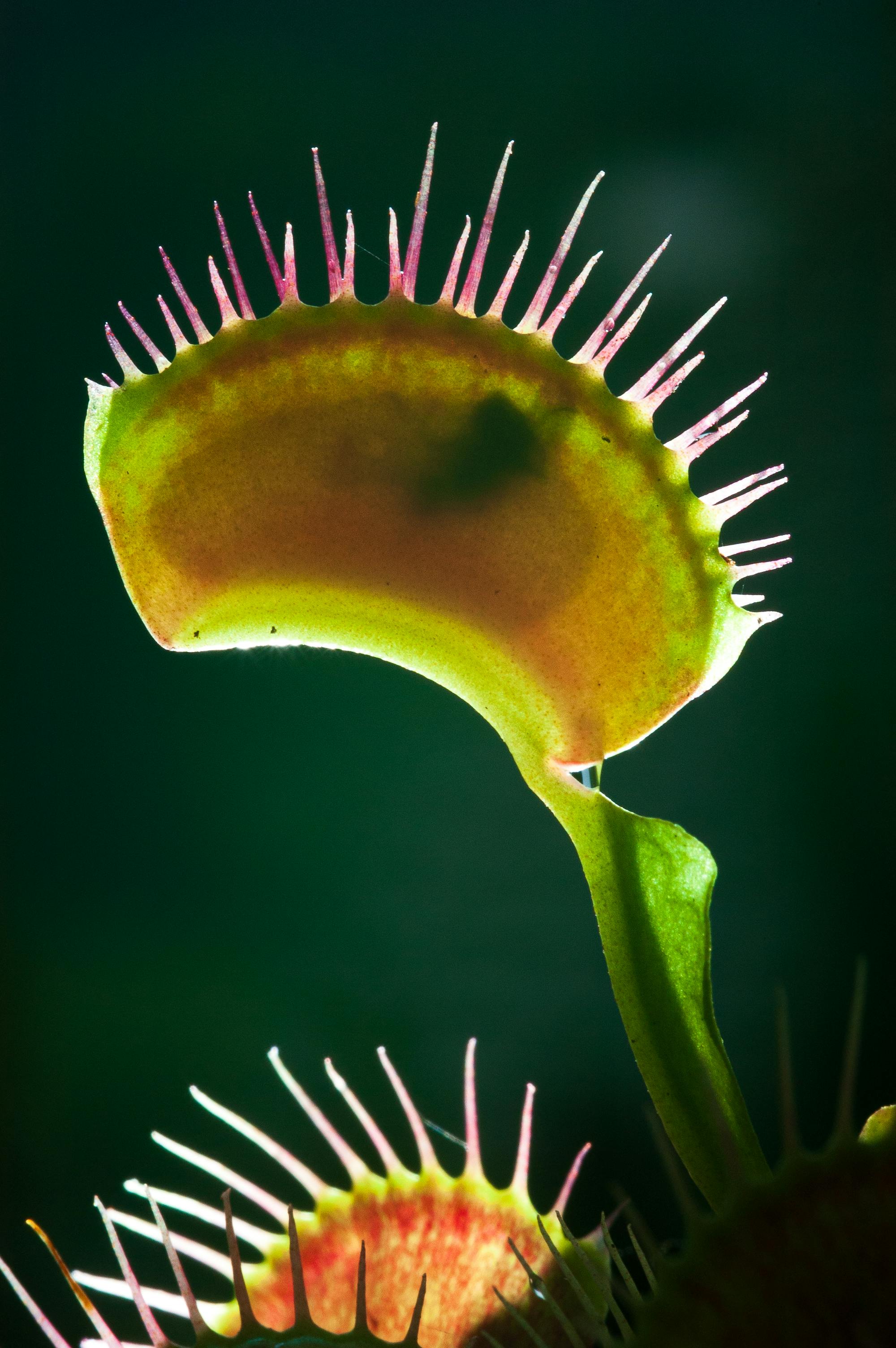
Amazing Plant Traps
Different carnivorous plants use different hunting tricks! Pitcher plants have deep, slippery cups filled with digestive juices - insects fall in and can't climb out. Sundews are covered in tiny droplets that look like morning dew but are actually super sticky glue that traps bugs.
Bladderworts live underwater and have tiny vacuum traps that suck in water fleas and mosquito larvae faster than you can blink! Cobra plants have twisted, hooded leaves that confuse insects and trap them inside like a maze.
Carnivorous plants prove that nature is full of surprises - these amazing green hunters show us that plants can be just as clever and fascinating as any animal predator!