Flowers
Explore the colorful world of flowers and learn how they help plants reproduce and make our world beautiful

A close-up of a purple iris flower, showing its petals covered in tiny drops of water.
Flowers are nature's most beautiful advertisements! These colorful, fragrant blooms aren't just pretty to look at - they're actually the plant's way of making babies. Flowers use bright colors, sweet smells, and tasty nectar to attract insects, birds, and other pollinators that help plants reproduce.
Flower Parts and Their Jobs
Every flower has special parts that work together like a team! Petals are the colorful parts that attract pollinators. Stamens are the male parts that make pollen - the yellow dust you might see on flowers. The pistil is the female part in the center where seeds will grow.
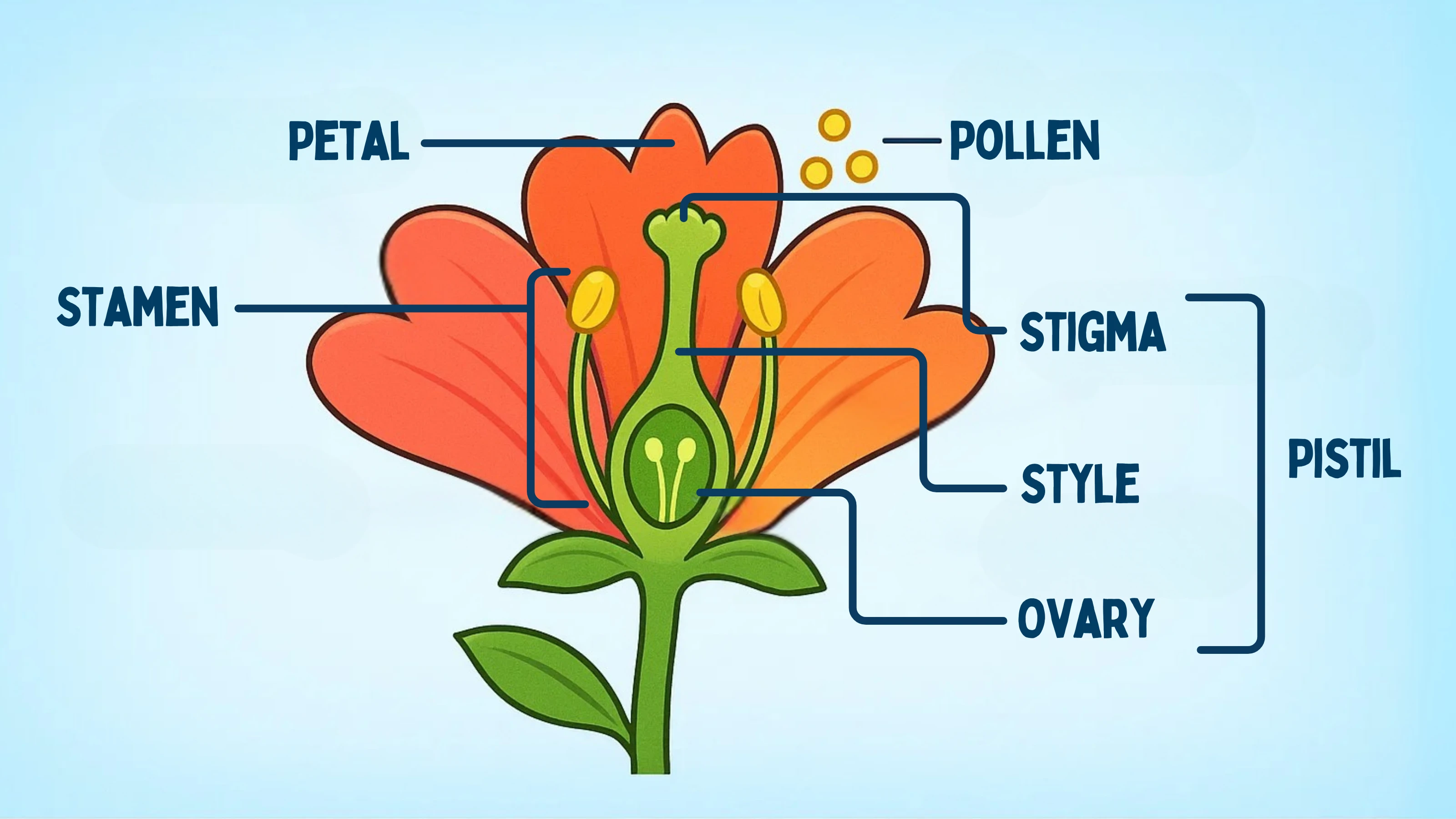 Diagram showing flower parts including petals, stamens, pistil, and pollen
When a bee or butterfly visits a flower for nectar, pollen sticks to their fuzzy bodies. When they visit the next flower, some pollen rubs off on the pistil, which allows the plant to make seeds. This amazing process is called pollination and it's how most plants reproduce!
Amazing Flower Varieties
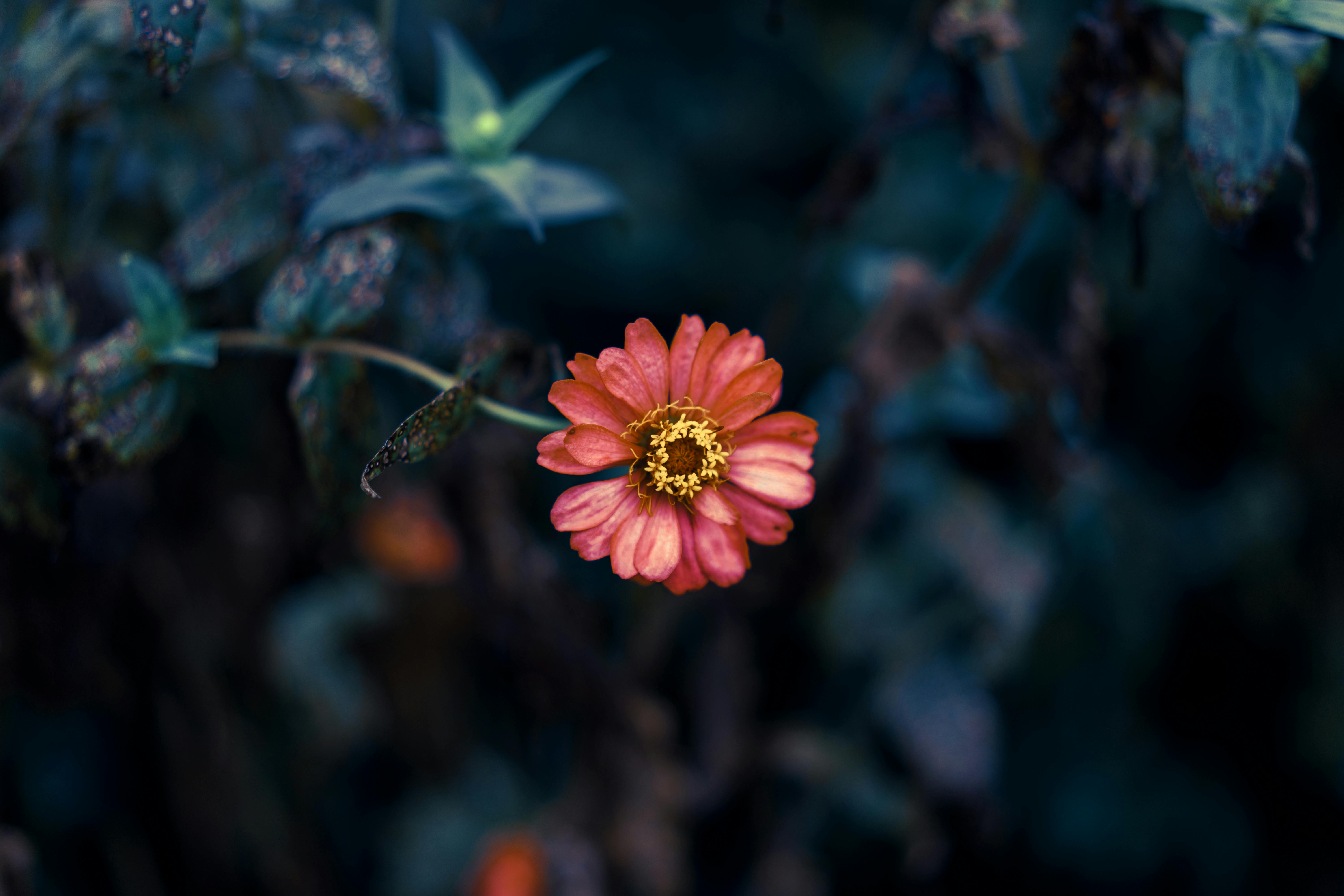
There are hundreds of thousands of different flower types around the world! Roses are famous for their beauty and sweet smell. Sunflowers can grow taller than people and always face the sun. Orchids come in incredible varieties with exotic shapes and colors that can look like animals or insects.
Wildflowers like daisies, poppies, and lupines paint meadows with natural rainbows. Cherry blossoms create pink clouds of flowers in spring. Night-blooming flowers like moonflowers open only at night to attract moths and bats.
Flowers remind us that beauty and function can work together perfectly - while they're making the world more colorful and pleasant for us, they're also doing the important job of helping plants create the next generation!