Medicinal Plants
Learn about plants that have been used for thousands of years to help heal people and treat illnesses
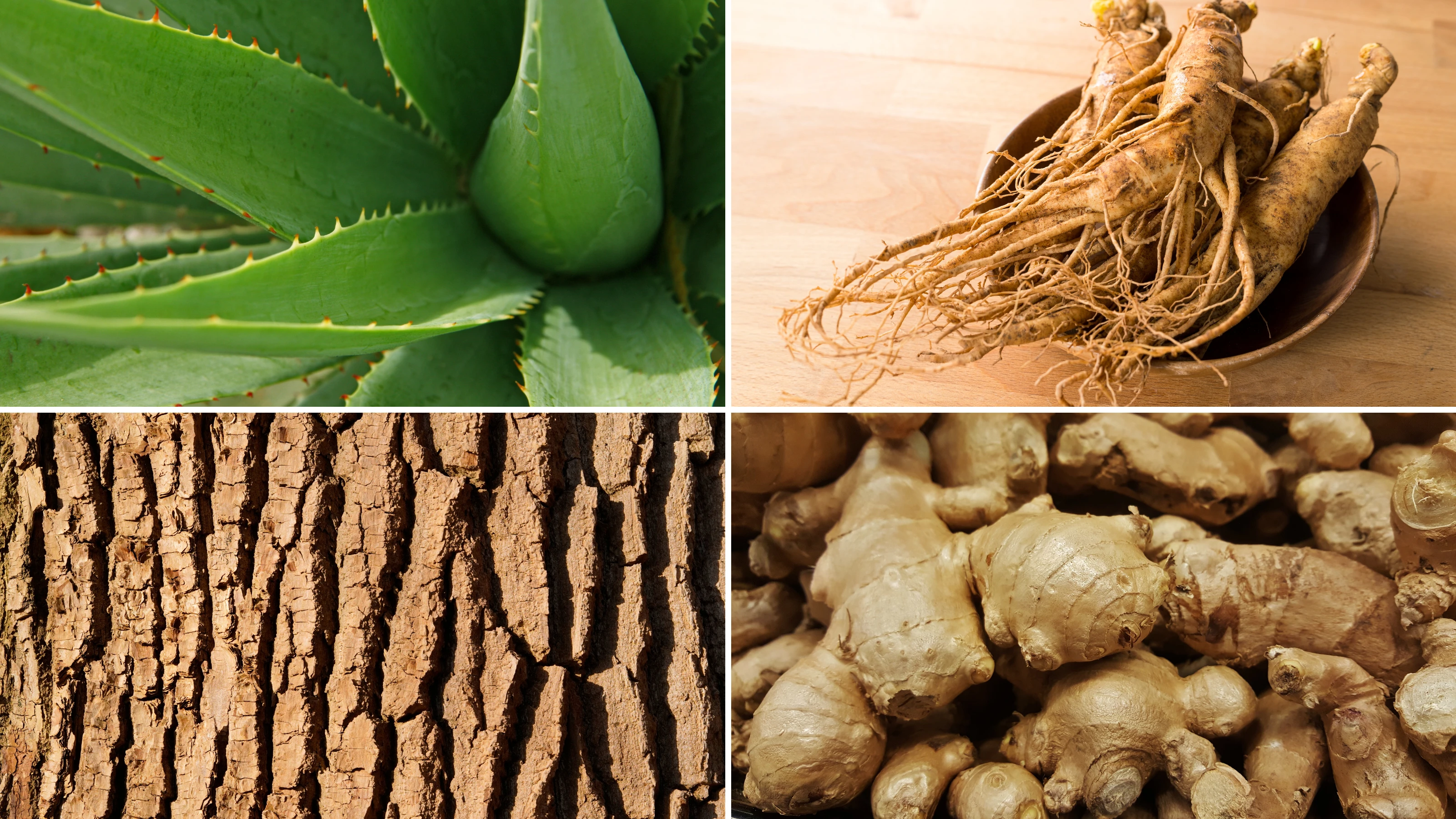
Common medicinal plants like willow bark, aloe vera, and ginseng with their uses
COLLAGE BY Duskblooom Littles
Medicinal plants are nature's pharmacy! For thousands of years, people around the world have used plants to help heal cuts, cure stomach aches, and treat many different illnesses. Many of the medicines we use today actually started as chemicals found in plants that scientists learned to copy.
Plants That Heal
Aloe vera is like nature's first aid kit! The gel inside its thick leaves helps heal burns, cuts, and sunburns. People have been using aloe vera for over 6,000 years. Willow bark contains a chemical similar to aspirin and was used by ancient people to reduce pain and fever.
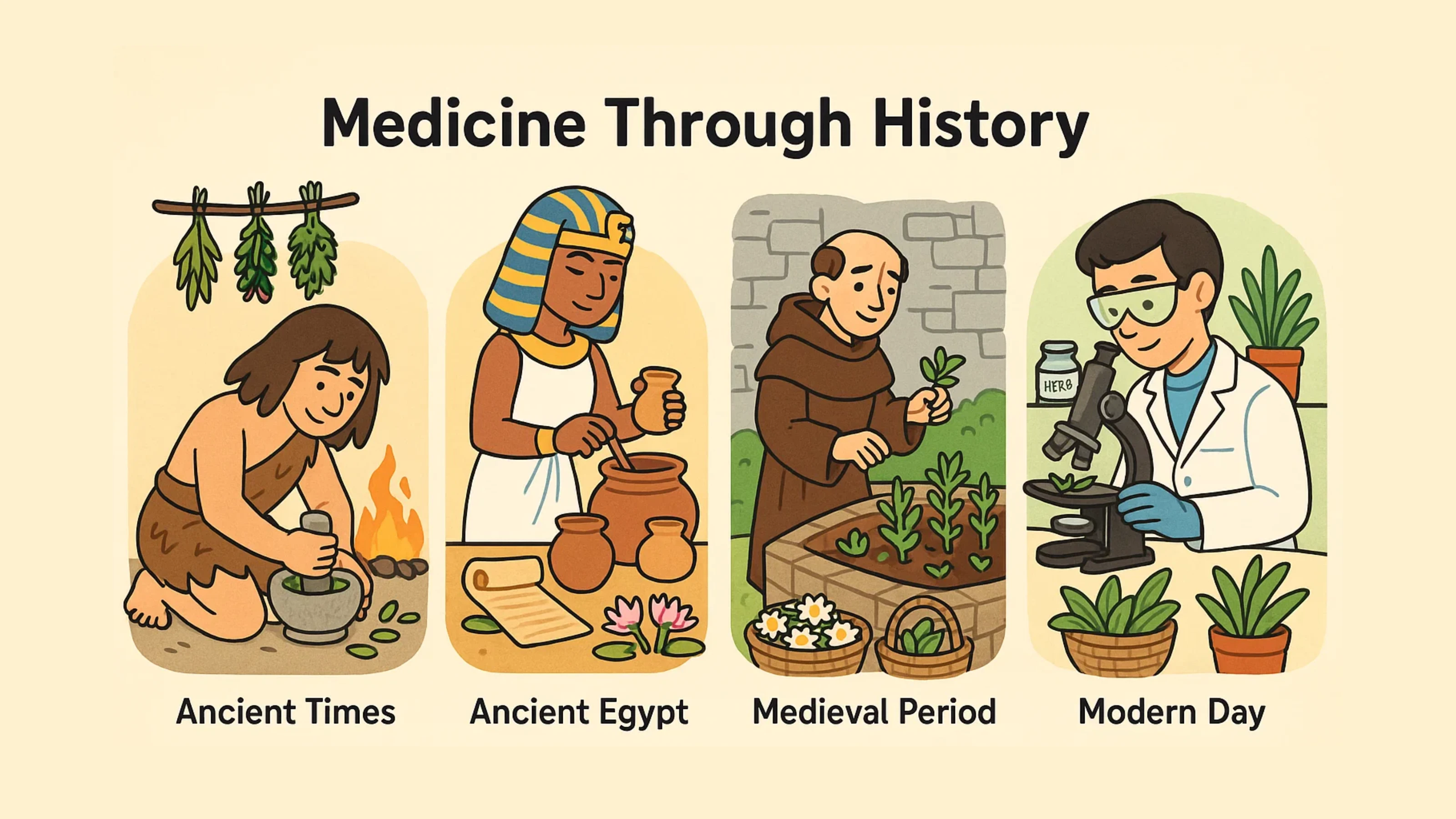 Historical illustration showing people throughout time using plants for medicine
Echinacea (purple coneflower) has been used by Native Americans for centuries to help fight colds and infections. Ginger helps settle upset stomachs and fight nausea. Lavender has a calming scent that can help people relax and sleep better.

From Garden to Medicine Cabinet
Many medicines in pharmacies today come from plants! Aspirin was first made from willow bark. Digitalis, a heart medicine, comes from foxglove flowers. Quinine, used to treat malaria, comes from cinchona tree bark. About 40% of all medicines have ingredients that originally came from plants.
Tea tree oil comes from Australian tea trees and helps fight skin infections. Peppermint contains menthol that can help with breathing and digestive problems. Turmeric contains curcumin, which may help reduce inflammation in the body.
Medicinal plants remind us that nature has provided healing help for humans throughout history - while we should always consult doctors for medical needs, it's amazing to know that many of our medicines started in gardens and forests around the world!