Poison Plants
Learn about dangerous plants that protect themselves with toxins and how to stay safe in nature

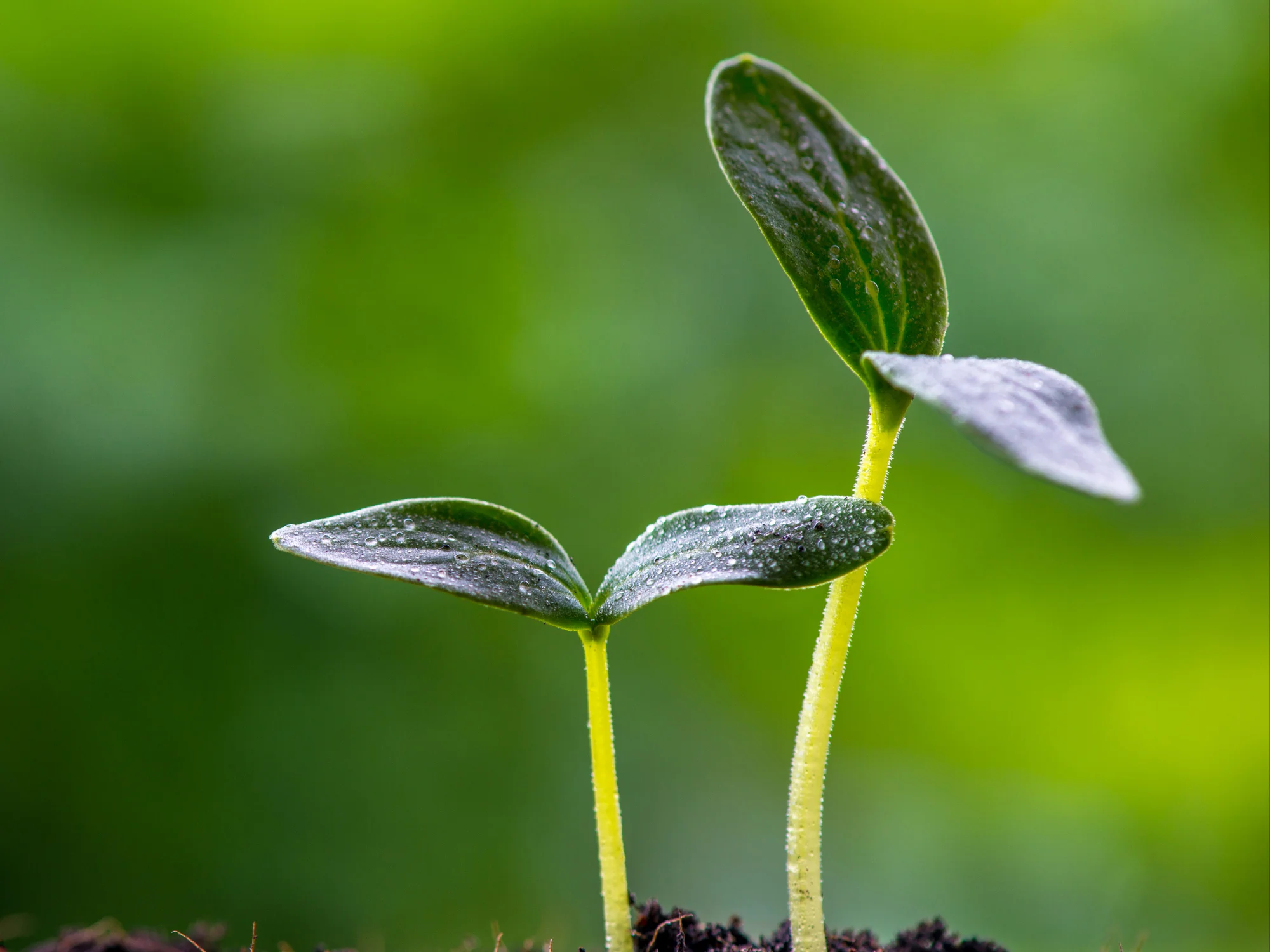
Leaves of a young poison oak plant
Poison plants have learned to protect themselves by making toxic chemicals that taste bad or cause harm to animals that try to eat them. While these plants are dangerous, learning to identify them helps us stay safe while exploring nature and appreciate how clever plants can be!
Common Dangerous Plants
Poison ivy is probably the most famous dangerous plant in North America! It has three leaflets on each stem and the saying "leaves of three, let it be" helps people remember to avoid it. Touching poison ivy causes itchy, painful rashes that can last for weeks.
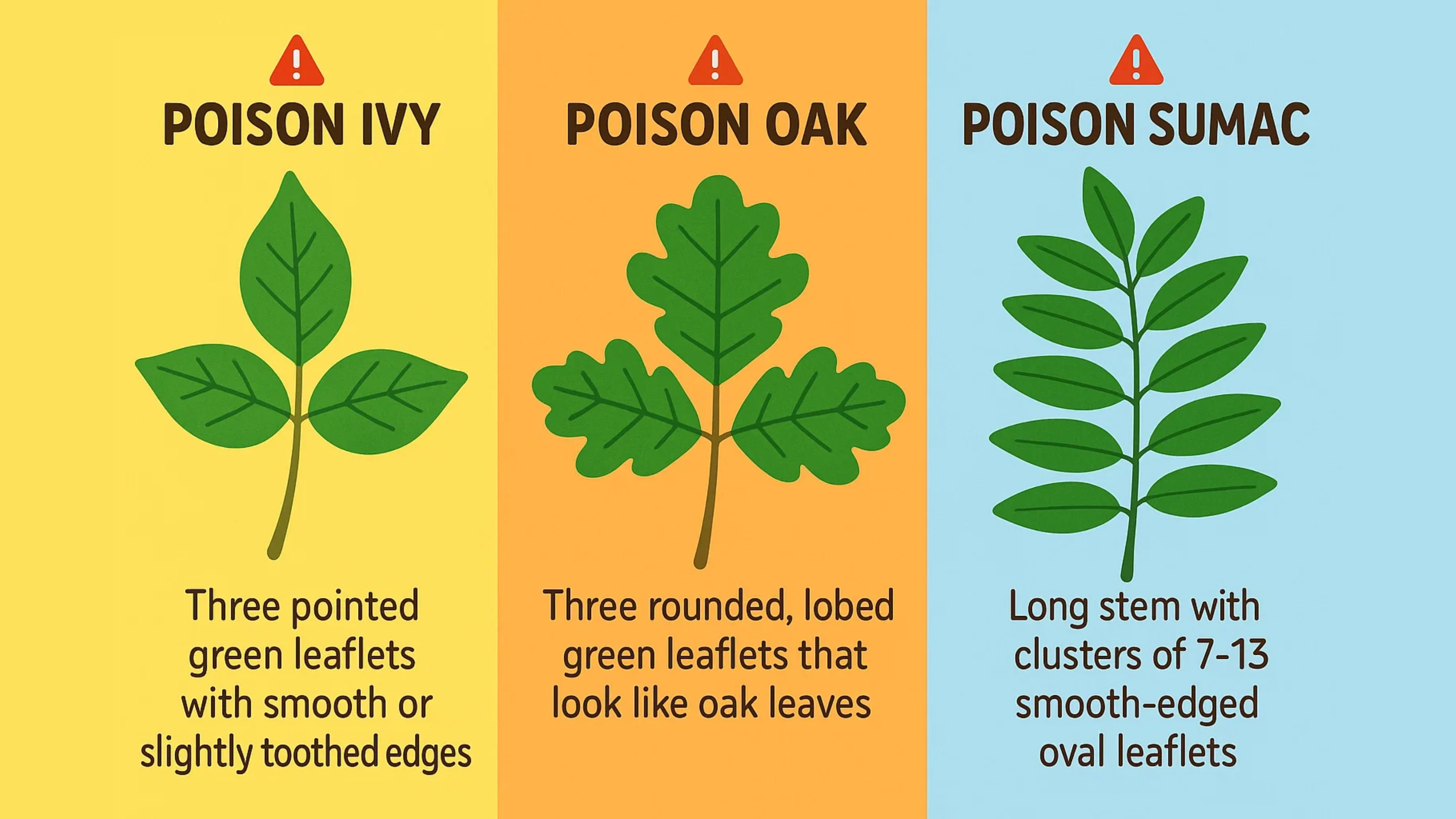 Identification guide showing leaves of poison ivy, poison oak, and poison sumac
Poison oak looks similar to poison ivy but has more rounded leaves. Poison sumac has 7-13 leaflets arranged in pairs along a red stem. All three plants contain urushiol, an oily substance that causes severe skin reactions in most people.
Why Plants Make Poison
Plants can't run away from animals that want to eat them, so they've developed chemical weapons instead! Toxic plants make bitter-tasting or harmful substances that teach animals to leave them alone. It's like having a "Do Not Eat" sign written in chemical language.
Oleander makes heart-stopping toxins, castor bean plants produce deadly ricin, and foxglove contains chemicals that affect the heart. Even rhubarb leaves are poisonous, though the stems are safe to eat when cooked!
Learning about poison plants isn't meant to scare us away from nature - it's about being smart and safe so we can continue enjoying the amazing world of plants while protecting ourselves from the few that could cause harm!