Trees
Discover how trees grow, why they're important to our planet, and the amazing variety of trees around the world

Cross-section diagram of tree trunk showing rings, bark, and internal structure
Trees are some of the most important living things on our planet! These amazing giants provide oxygen for us to breathe, homes for countless animals, and beauty that makes our world more wonderful. Trees can live for hundreds or even thousands of years, growing slowly but steadily throughout their long lives.
How Trees Grow and Live
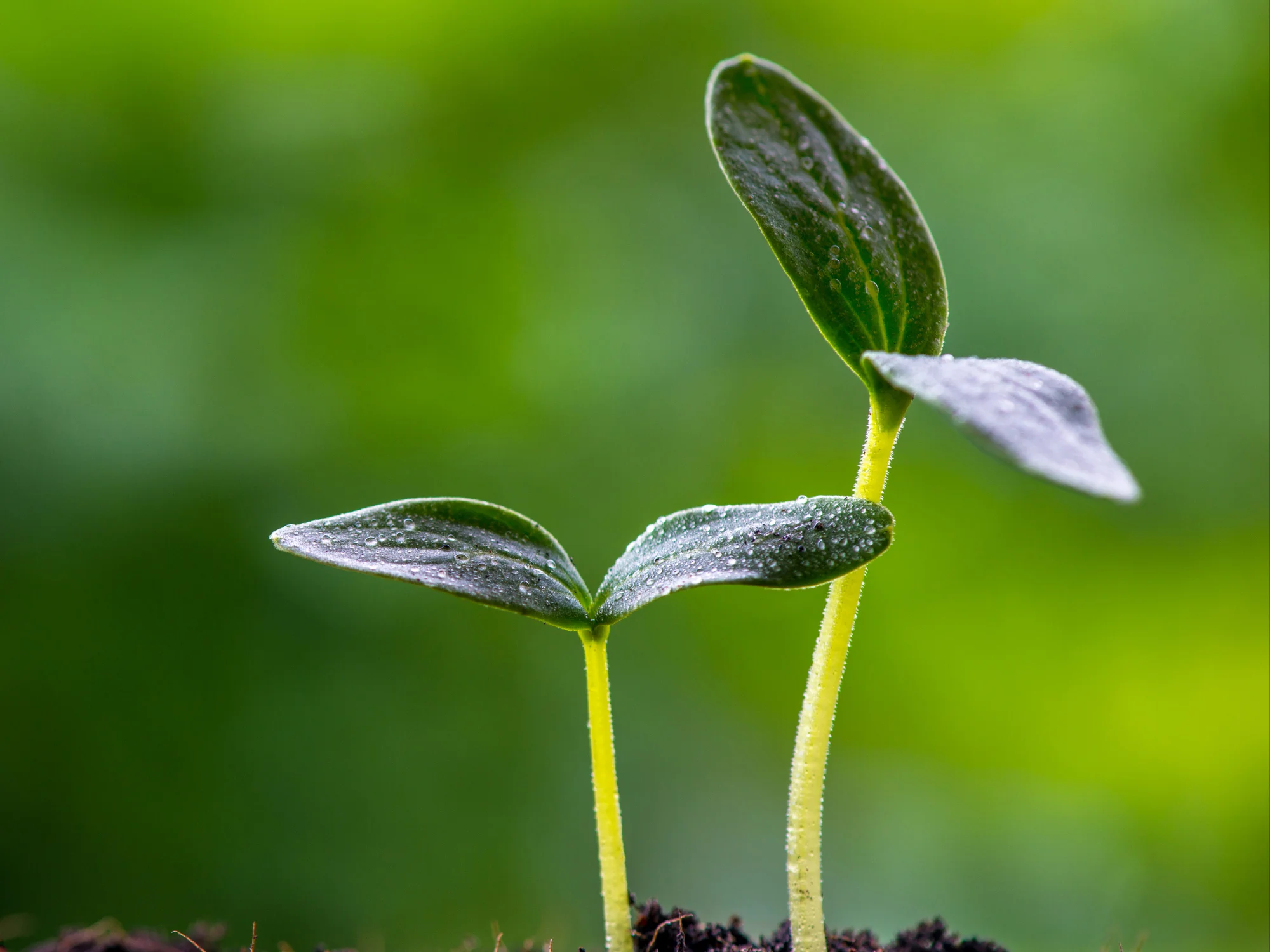
Trees start as tiny seeds but can grow to incredible heights! They have roots that spread underground to gather water and nutrients, trunks that transport water up to the leaves and provide support, and branches with leaves that make food from sunlight through photosynthesis.
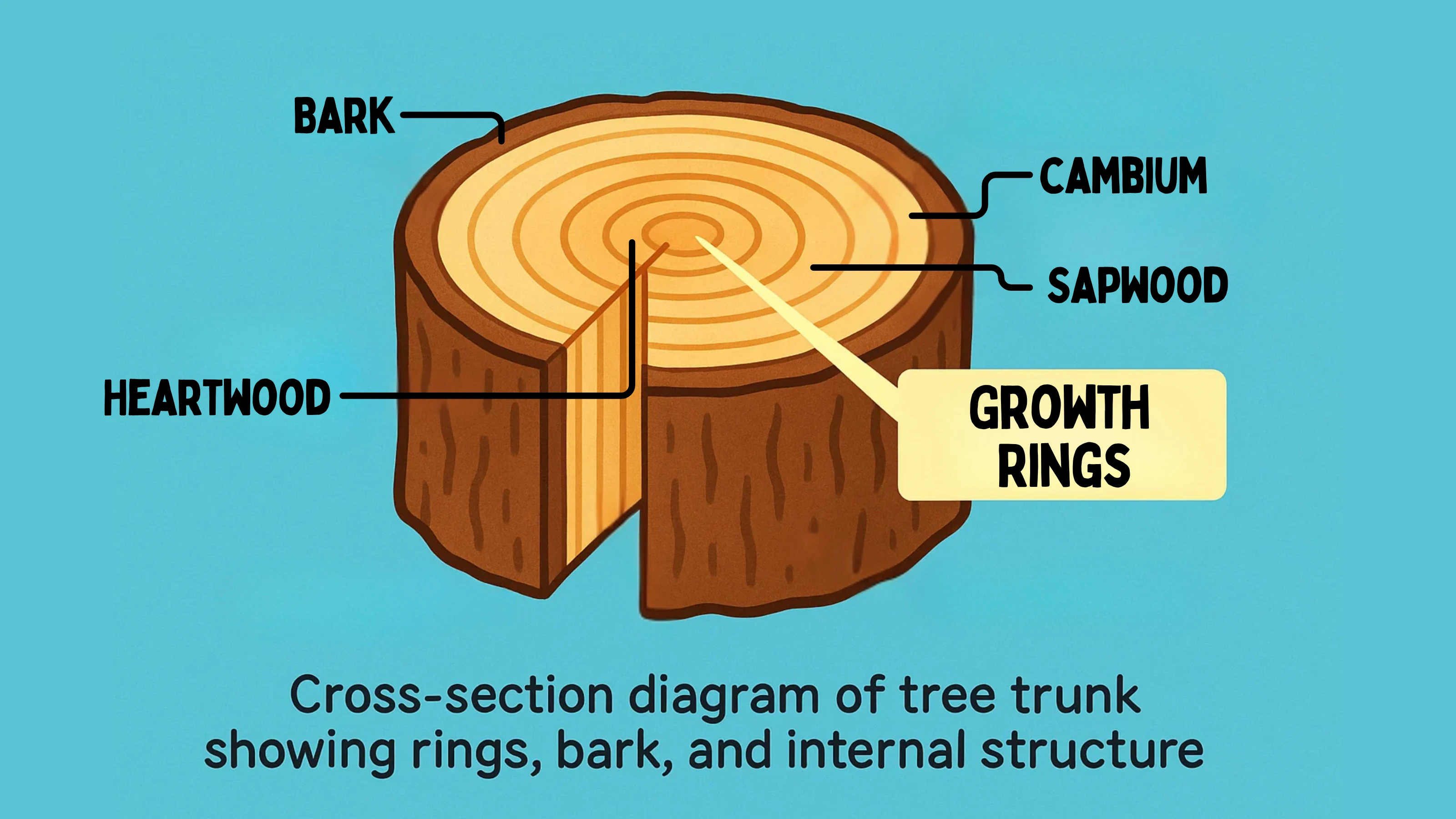 Cross-section diagram of tree trunk showing rings, bark, and internal structure
Each year, trees add a new growth ring to their trunks - you can count these rings to tell how old a tree is! The bark protects trees like armor, and the leaves are like tiny factories that turn sunlight, water, and carbon dioxide into food and oxygen.
Types of Trees
There are two main types of trees: deciduous trees that lose their leaves in fall, and evergreen trees that keep their leaves year-round. Oak, maple, and birch are deciduous trees that put on beautiful color shows each autumn before dropping their leaves for winter.
Pine, spruce, and fir trees are evergreens with needle-shaped leaves that can survive cold winters. Palm trees grow in warm places and have huge fan-shaped leaves. Fruit trees like apple, cherry, and orange trees give us delicious food while also providing beauty with their blossoms.
Trees are truly amazing - they're some of our planet's best friends, working hard every day to make our world healthier, more beautiful, and full of life for all the creatures that depend on them!