Blizzards
Learn about powerful winter storms that bring heavy snow, strong winds, and dangerous conditions

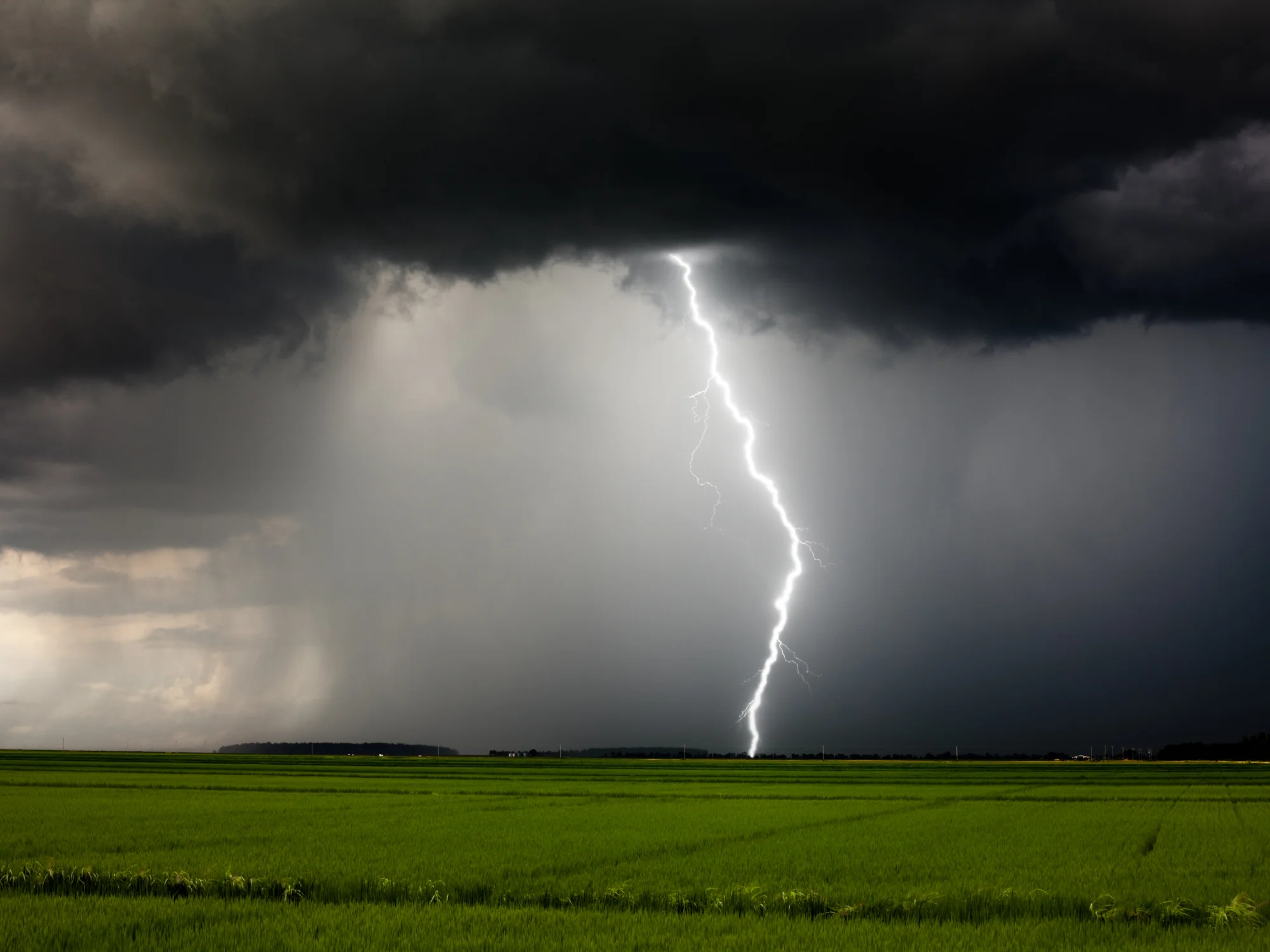
Intense blizzard with heavy snow and strong winds making visibility nearly zero
Blizzards are winter's most powerful storms! These incredible weather events combine heavy snowfall, strong winds, and dangerously cold temperatures to create some of the most challenging conditions on Earth. A true blizzard has winds of at least 35 mph and makes it almost impossible to see more than a few feet ahead.
How Blizzards Form
Blizzards happen when cold, dry air masses from the north collide with warm, moist air masses from the south. The warm air rises rapidly over the cold air, creating the perfect conditions for heavy snow formation. Strong winds develop along the boundary between these air masses.
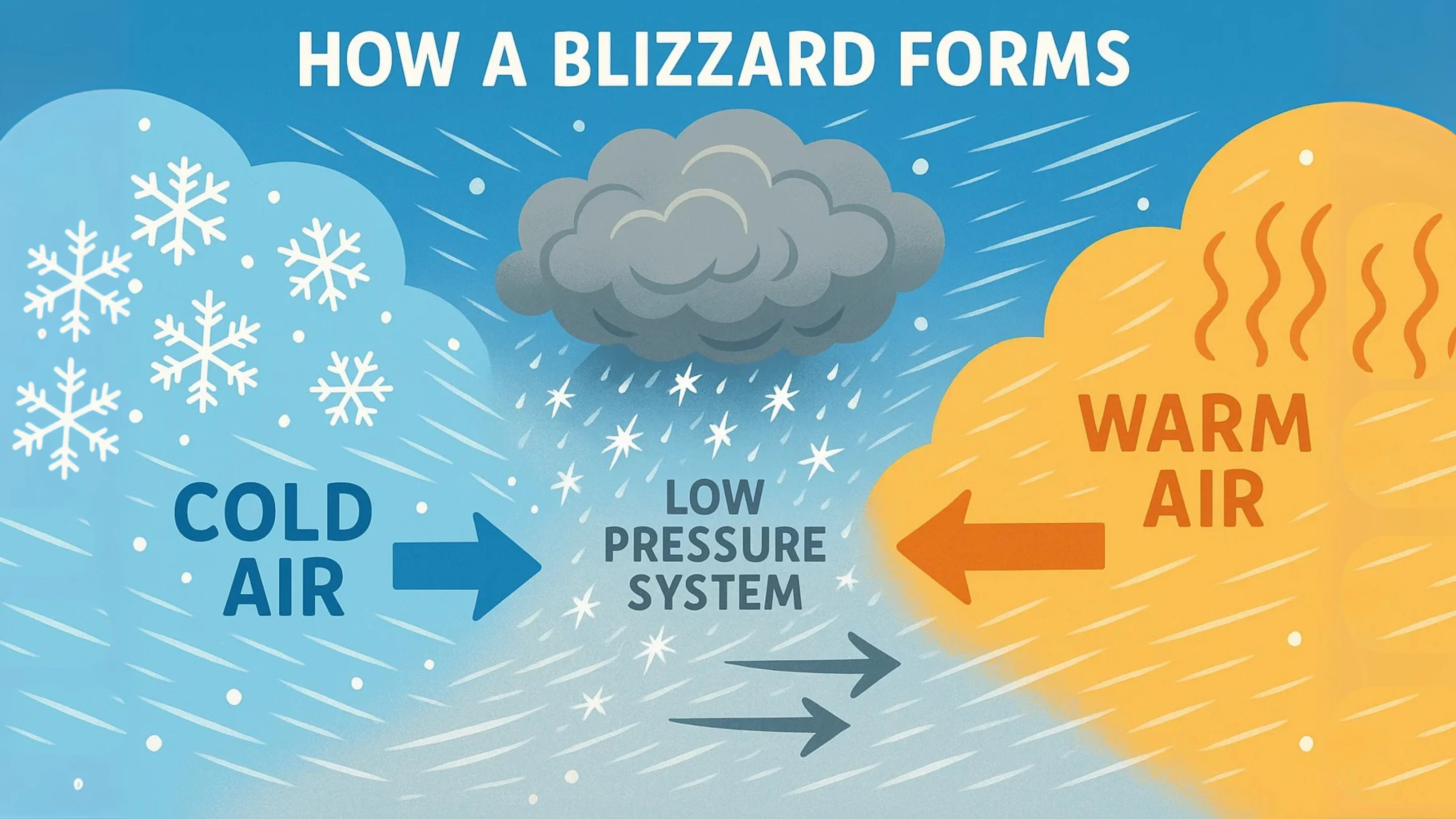 Weather conditions diagram showing how blizzards form when cold and warm air masses collide
The jet stream - a river of fast-moving air high in the atmosphere - helps steer these storms and can make them more intense. Lake effect snow can create blizzard conditions when cold air moves over warmer lake water, picking up moisture and dumping enormous amounts of snow downwind.
Blizzard Dangers and Effects
Whiteout conditions make it impossible to see landmarks, roads, or even your own feet! People can become lost just steps from their homes. Wind chill makes the air feel much colder than the actual temperature - exposed skin can freeze in minutes during severe blizzards.
Snow drifts can bury cars, block roads, and trap people in their homes for days. Power lines often break under the weight of ice and snow or from strong winds. Roofs can collapse under heavy snow loads, especially when wet snow piles up several feet deep.
Blizzards show us winter's incredible power - while they can be dangerous and disruptive, they're also an important part of nature's cycle that brings water to many regions and creates the magical winter wonderlands that many people love!