Monsoons
Learn about seasonal wind patterns that bring life-giving rains to billions of people around the world

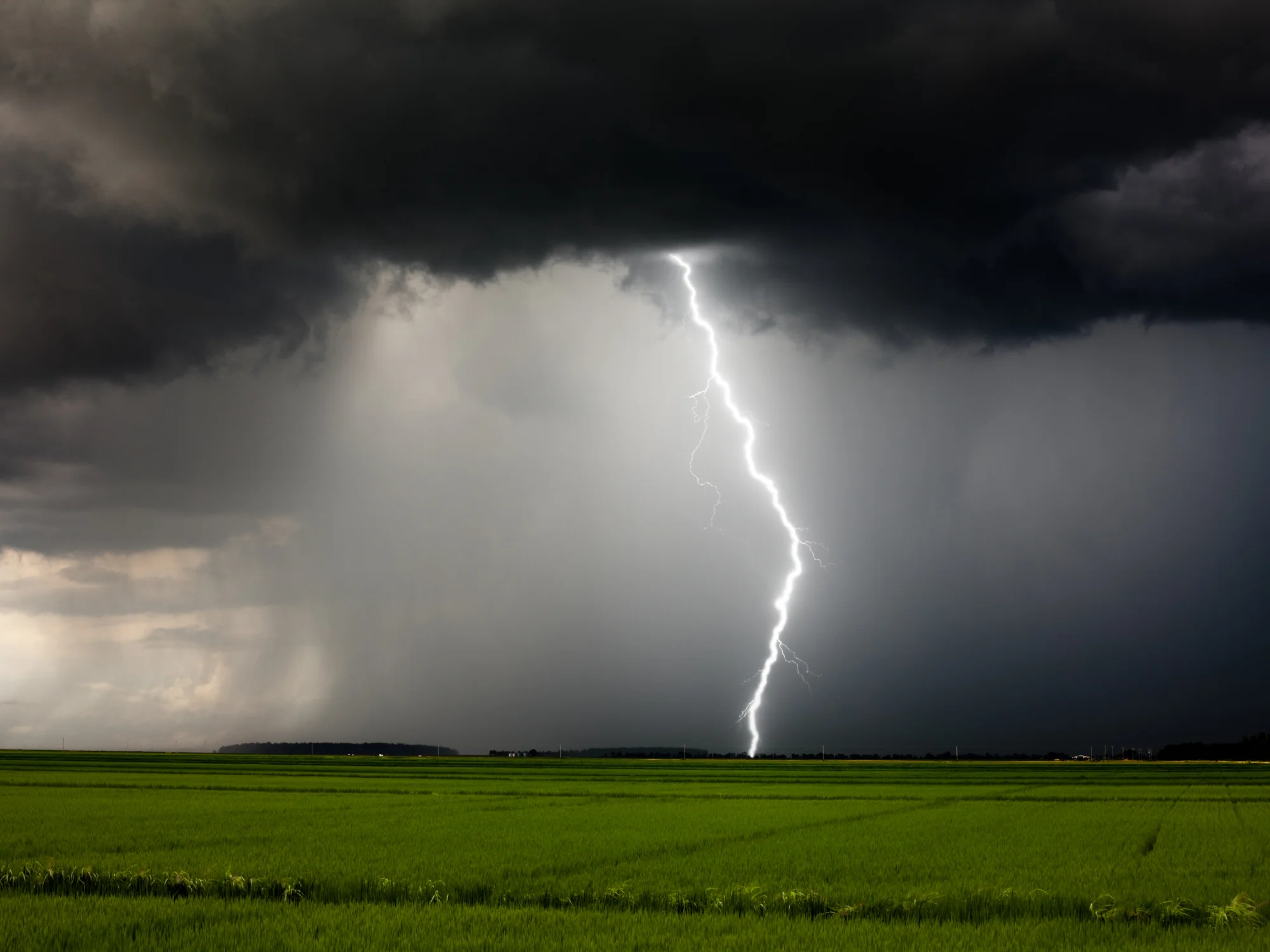
Monsoon rain falling on tropical landscape
Monsoons are amazing seasonal wind patterns that bring life-giving rains to over half the world's population! These predictable weather systems reverse direction twice a year, bringing months of heavy rainfall followed by months of dry weather. Billions of people in Asia, Africa, and Australia depend on monsoons for their water supply and food production.
How Monsoons Work
Monsoons happen because land heats up faster than oceans during summer. As hot air rises over the land, it creates low pressure that draws moist air from the oceans inland. This ocean air brings heavy rains for several months. During winter, the pattern reverses and dry air flows from land back to sea.
The Asian monsoon is the largest and most important monsoon system. From June to September, warm, moist air flows from the Indian Ocean across India, Southeast Asia, and eastern Asia, bringing up to 80% of the year's rainfall. African monsoons bring rain to the Sahel region, while Australian monsoons water northern Australia.
Monsoons and Life
Monsoon rains are absolutely essential for life in many parts of the world! Farmers time their planting around monsoon arrival - rice, the main food for billions of people, is planted when monsoon rains flood the fields. Rivers and reservoirs fill up during monsoon season, providing water for the entire year.
 Women planting rice in flooded fields during monsoon season in Asia
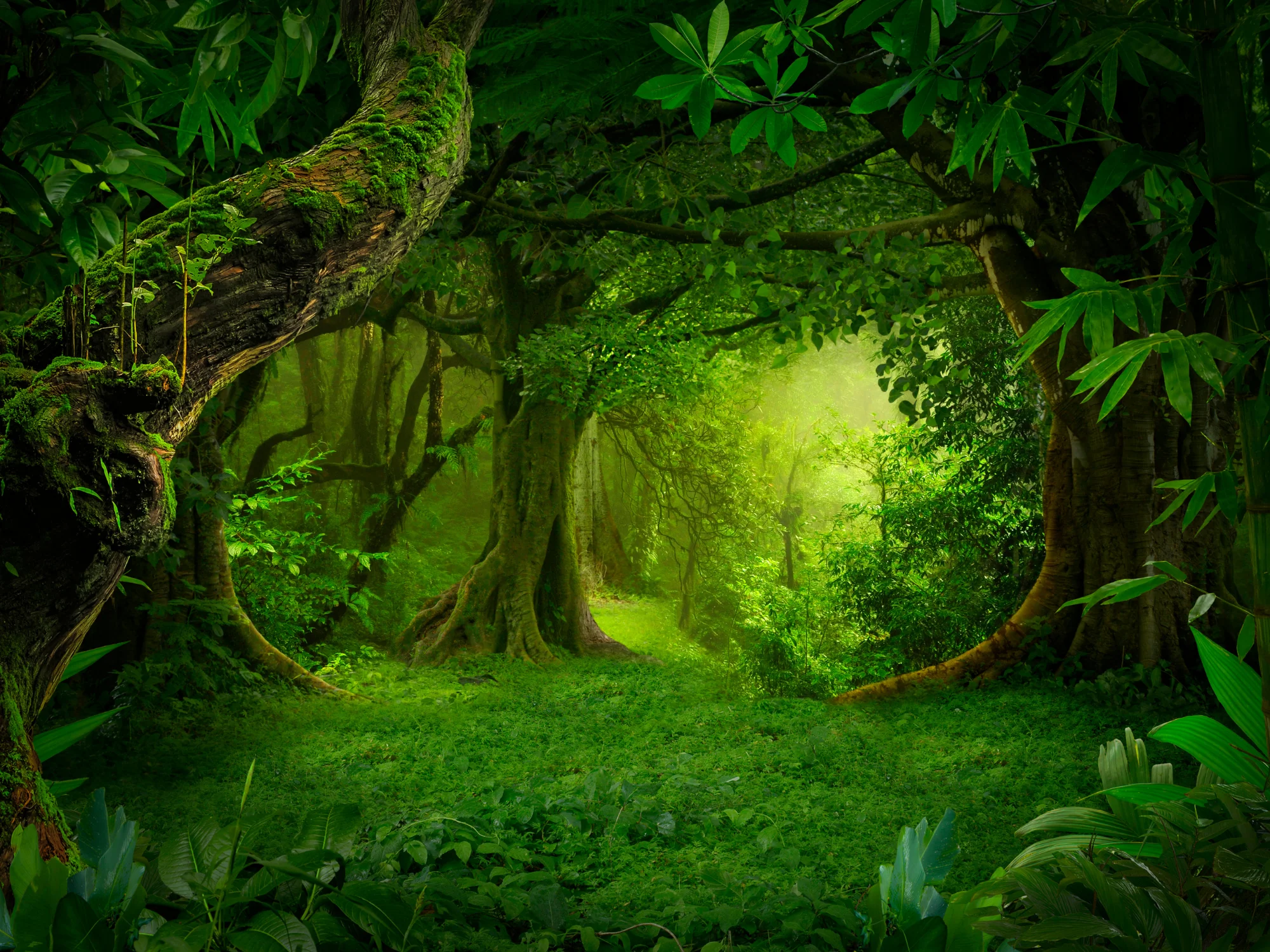
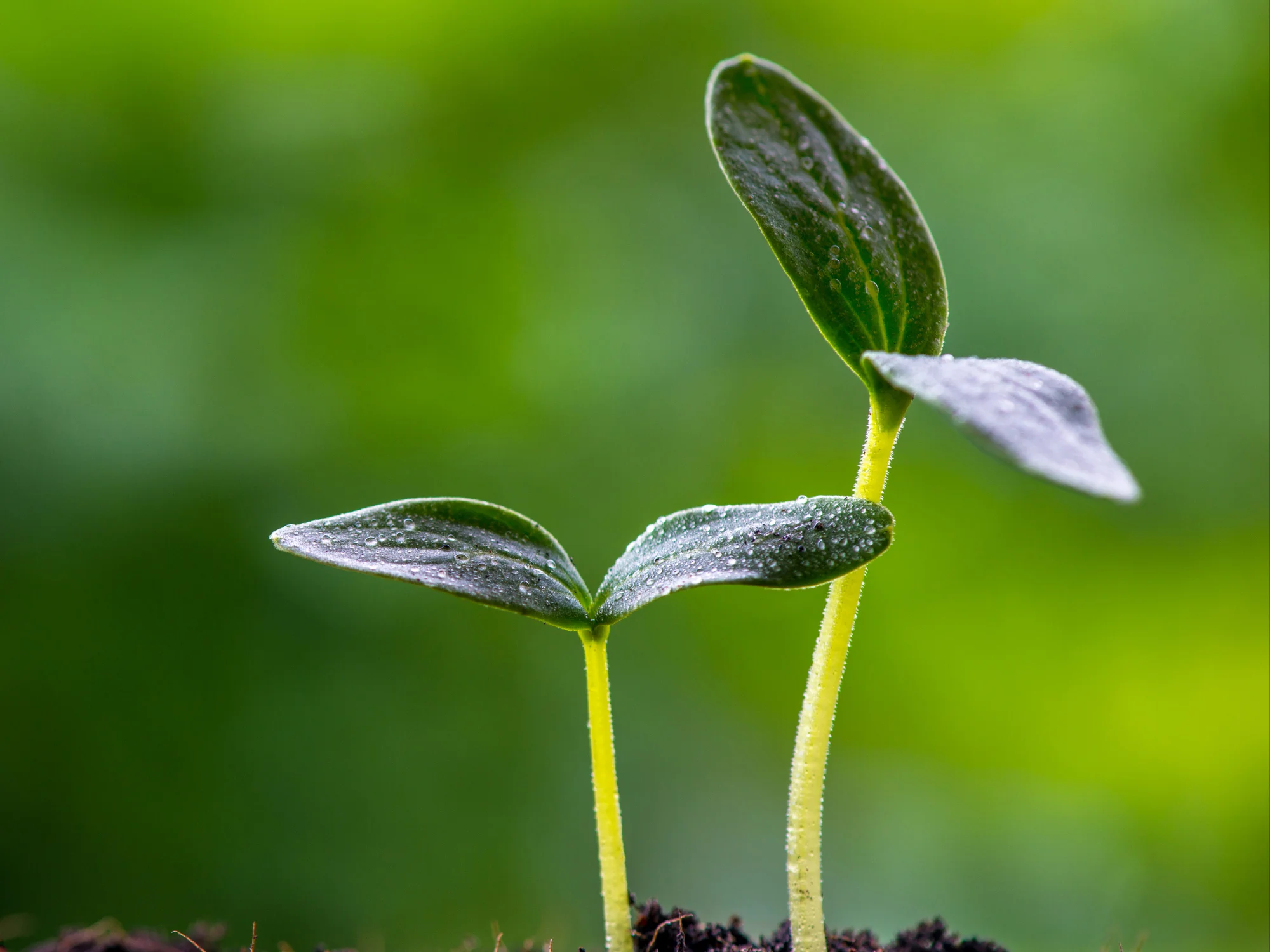
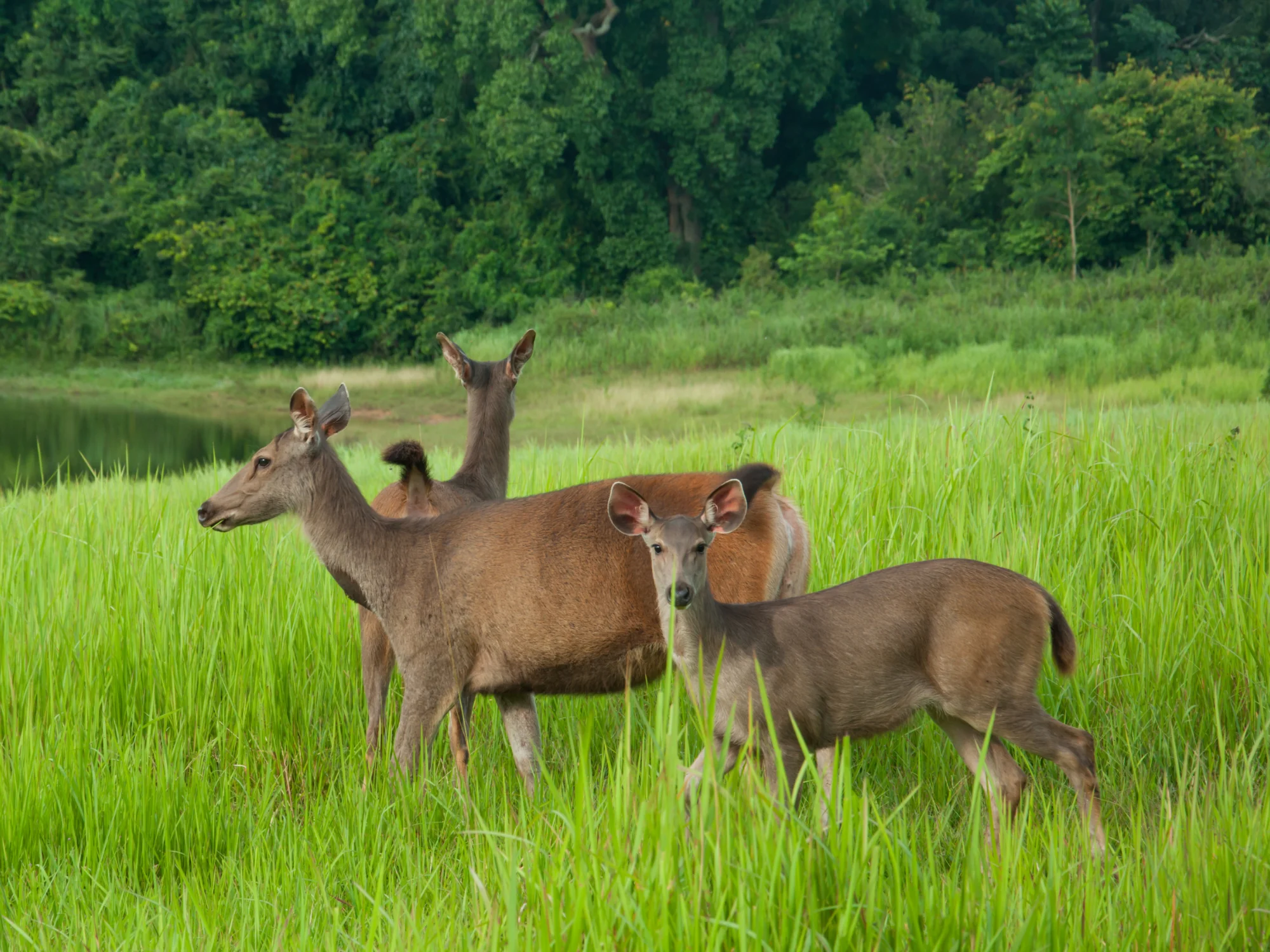
Wildlife also depends on monsoons. Migratory birds time their journeys to arrive when monsoon rains bring abundant food. Frogs and other amphibians emerge from hiding to breed in temporary pools created by monsoon floods. Plants burst into bloom when the rains arrive after months of dry weather.
Monsoons show us how connected our planet's weather systems are - these seasonal rains demonstrate the incredible power of wind and water working together to sustain life for billions of people around the world!