
Animal Adaptations
Discover amazing ways animals have adapted to survive in different environments through evolution
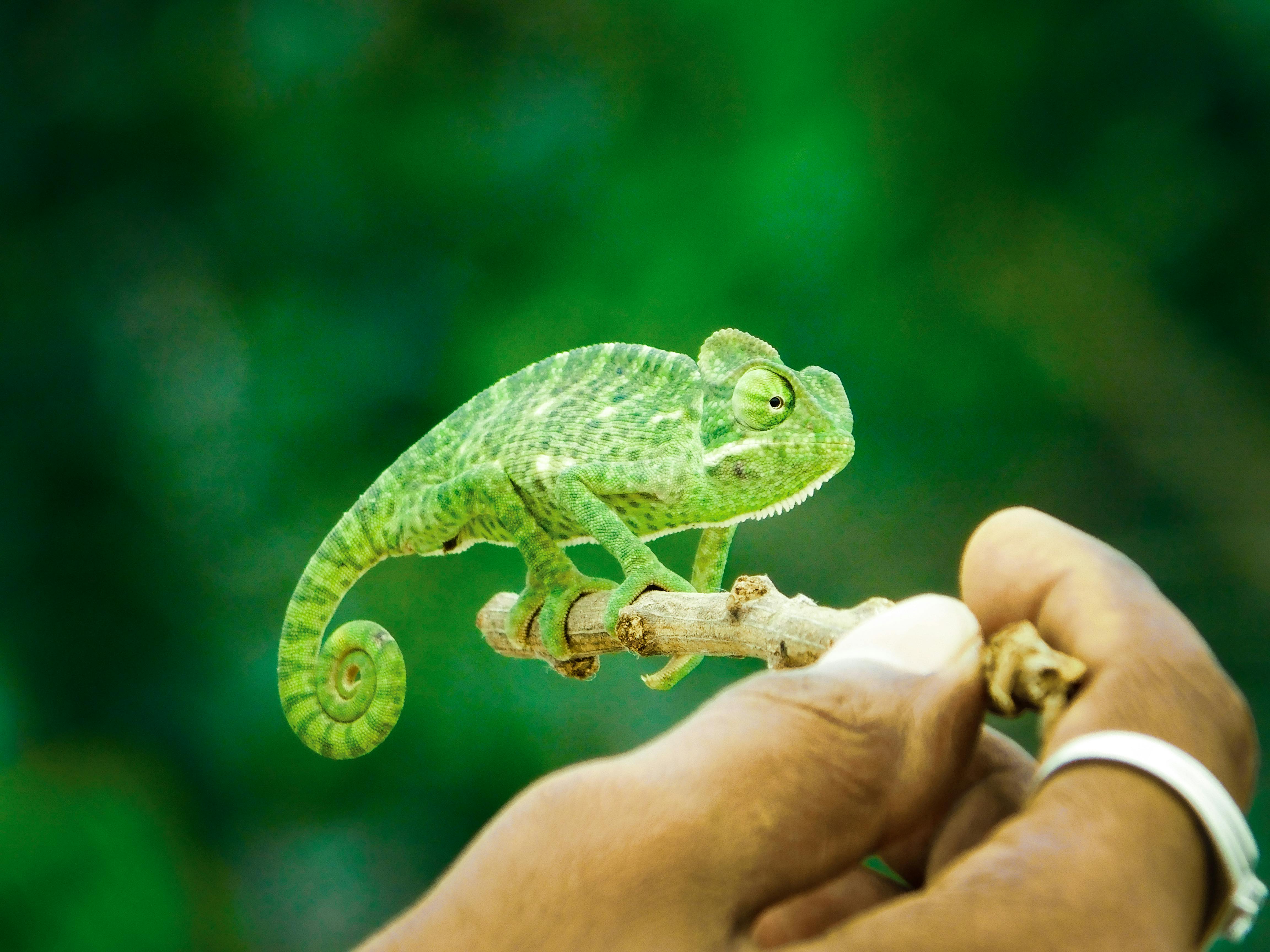
Chameleon changing colors to blend with its environment showing camouflage adaptation
Have you ever wondered why a polar bear has thick fur while a desert fox has big ears? Or how a chameleon can change colors? These are all examples of adaptations - amazing features that help animals survive in their specific environments. Every animal is like a perfectly designed machine for their habitat!
What Are Adaptations?
Adaptations are special features that help animals survive in their environment. These can be physical features (like a bird's wings or a fish's gills), behaviors (like migration or hibernation), or body functions (like how some animals can go without water for long periods). Adaptations develop over many generations through evolution.
Cold Climate Adaptations
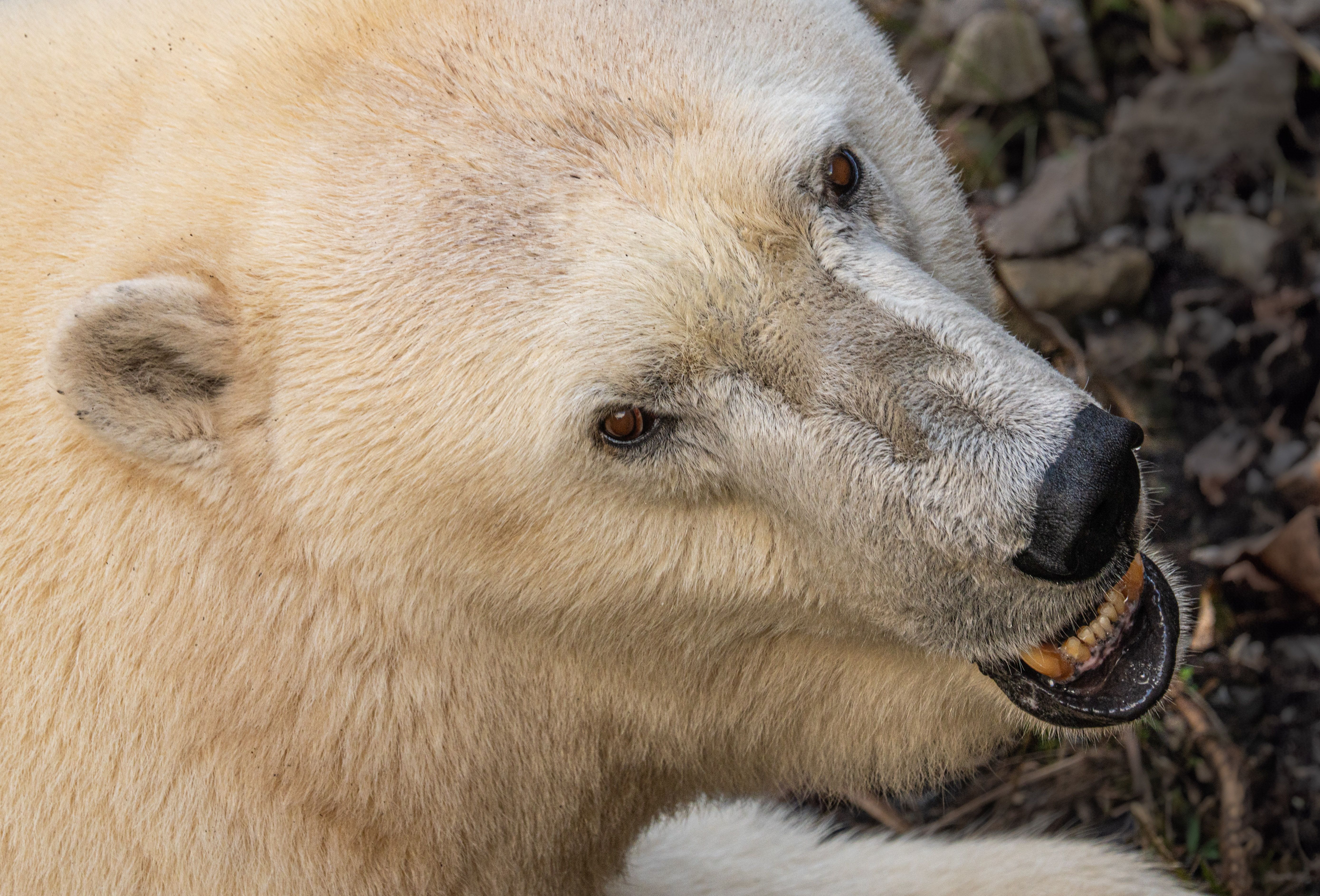
Animals living in cold places have amazing ways to stay warm! Polar bears have thick fur and a layer of fat for insulation. Penguins huddle together and have feathers that trap warm air. Arctic foxes have fur on their paw pads to prevent frostbite. Some animals like bears hibernate to avoid the coldest months.
Desert Adaptations
Desert animals are masters of water conservation and heat management! Camels store fat in their humps and can go days without water. Fennec foxes have huge ears to release heat. Kangaroo rats get all their water from the food they eat and never need to drink!
Aquatic Adaptations
Water animals have incredible features for life underwater! Fish have gills to extract oxygen from water and streamlined bodies for easy swimming. Whales can hold their breath for hours and have sonar for navigation. Penguins have wings modified into flippers for underwater "flying."
Animal adaptations show us how incredibly creative nature is at solving survival problems - every species is perfectly equipped for their unique lifestyle!