Birds

Explore the amazing world of birds, their flight abilities, diverse species, and unique adaptations


Person bird watching and observing different species with binoculars
1/3

Person bird watching and observing different species with binoculars

PHOTOGRAPH BY Kayla Farmer, Unsplash

Birds are nature's pilots, soaring through skies with grace and skill that humans have always envied! With over 10,000 species worldwide, birds are incredibly diverse - from tiny hummingbirds that beat their wings 80 times per second to massive ostriches that can't fly but can run 40 mph!

What Makes a Bird a Bird?

All birds share key characteristics that make them unique in the animal kingdom. They have feathers (the only animals that do!), wings, beaks instead of teeth, and they lay hard-shelled eggs. Most birds can fly, though some like penguins and ostriches have traded flight for other superpowers!

BIRD CHARACTERISTICS
FEATHERS: Lightweight, waterproof, and perfect for flight
WINGS: Modified arms designed for flying (or swimming in penguins!)
BEAKS: Specialized tools for different types of food
HOLLOW BONES: Lightweight but strong skeleton for flight
WARM-BLOODED: Maintain constant body temperature like mammals

The Magic of Feathers

Feathers are one of nature's most amazing inventions! They're incredibly lightweight yet strong, waterproof yet breathable, and they provide both insulation and the ability to fly. Different types of feathers have different jobs - flight feathers for flying, down feathers for warmth, and contour feathers for streamlined shape.

TYPES OF FEATHERS
FLIGHT FEATHERS: Large, strong feathers on wings and tail for flying
DOWN FEATHERS: Fluffy feathers close to skin for insulation
CONTOUR FEATHERS: Outer feathers that give birds their smooth shape
SPECIALIZED FEATHERS: Some birds have feathers for display, sounds, or sensing
MOLTING: Birds regularly shed and replace old feathers with new ones
COLORS: Feather colors come from pigments and light reflection
Info box image

Beaks: Nature's Multi-Tools

Bird beaks are like specialized tools perfectly designed for each species' diet! Hawks have sharp, hooked beaks for tearing meat. Hummingbirds have long, thin beaks for reaching nectar in flowers. Pelicans have pouches for catching fish. Finches have strong beaks for cracking seeds.

Flight: Defying Gravity

Flight is perhaps the most amazing thing about birds! They use the same principles that keep airplanes in the sky - their wings create lift by having air move faster over the top than the bottom. Birds can hover, soar, dive, and perform aerial acrobatics that would make any pilot jealous!

BIRD OBSERVATION ACTIVITIES
Watch birds in your yard and identify different species
Notice how different beaks match different foods
Observe bird flight patterns and wing shapes
Listen for different bird songs and calls

FLIGHTLESS BIRDS
PENGUINS: "Fly" underwater using wings as flippers
OSTRICHES: Run up to 40 mph with powerful legs
EMUS: Large Australian birds that can't fly but run fast
KIWIS: Small, nocturnal birds with long beaks for finding food
CASSOWARIES: Large, powerful birds with dangerous kicks

AMAZING BIRD ABILITIES
MIGRATION: Some birds fly thousands of miles seasonally
ECHOLOCATION: Some birds use sound to navigate in darkness
TOOL USE: Crows and other birds use tools to get food
INTELLIGENCE: Parrots can learn to "talk" and solve problems
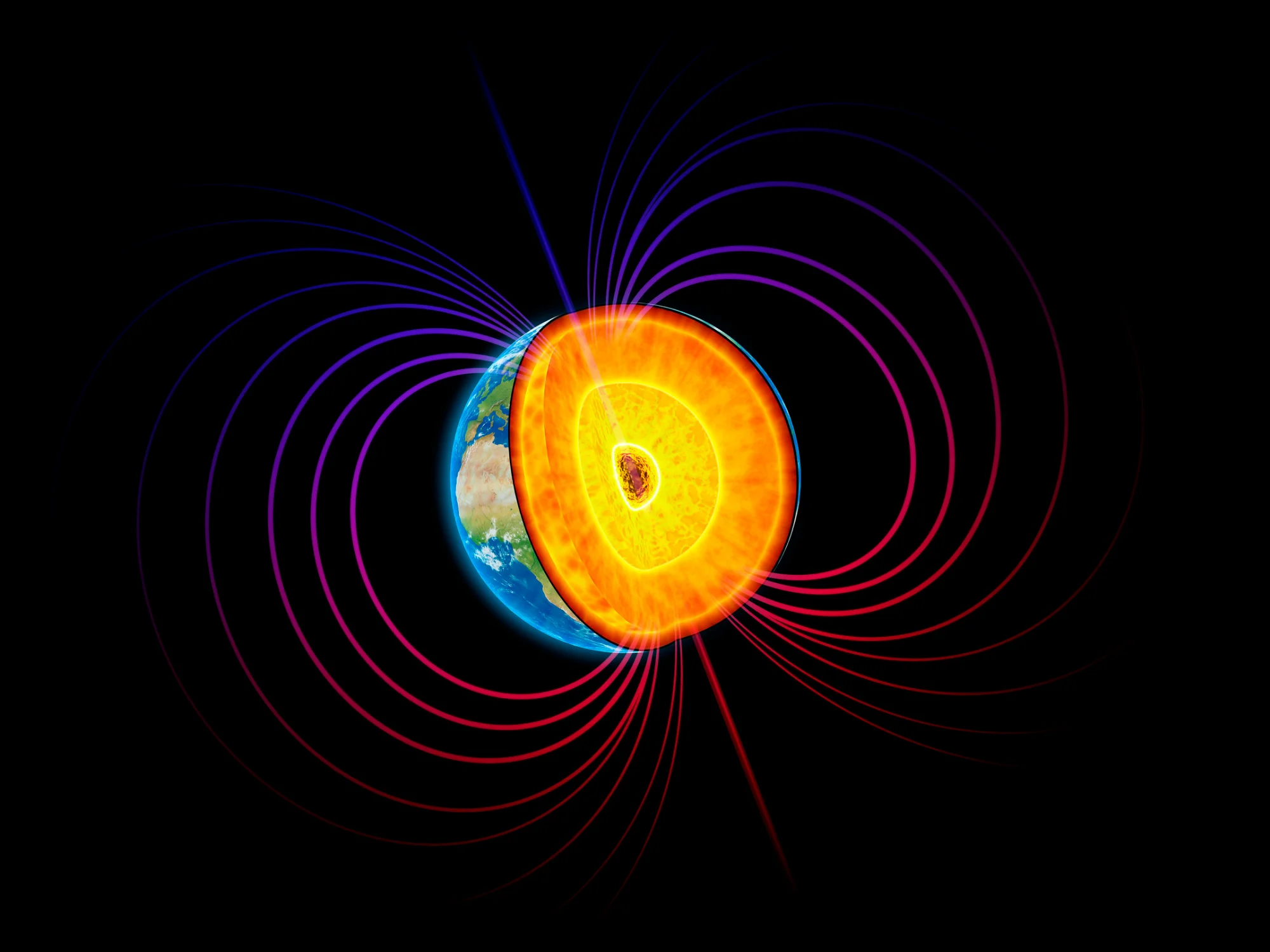
NAVIGATION: Birds use stars, sun, and Earth's magnetic field to navigate

HELPING BIRDS
Put up bird feeders and houses in your yard
Keep cats indoors to protect wild birds
Turn off lights during migration seasons
Plant native plants that provide food and shelter
Keep windows bird-safe to prevent collisions

Birds show us that evolution can create incredible solutions - they've mastered the skies while adapting to nearly every habitat on Earth!