Mammals
Learn about mammal characteristics, diversity, and what makes these animals special in the animal kingdom
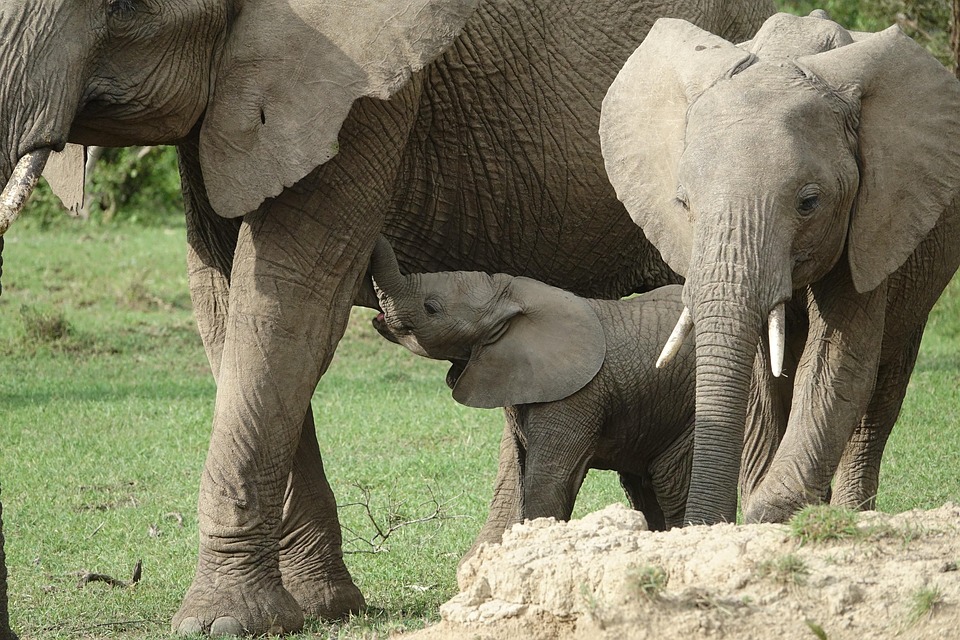
Mother elephant nursing her baby showing the milk-feeding characteristic of mammals
From tiny shrews to enormous whales, from flying bats to swimming dolphins, mammals are one of the most diverse and successful groups of animals on Earth. What makes a mammal special? They're warm-blooded, have hair or fur, and most importantly - mothers feed milk to their babies!
What Makes an Animal a Mammal?
All mammals share several key characteristics that make them unique in the animal kingdom. They're warm-blooded (can control their body temperature), have hair or fur at some point in their lives, and female mammals produce milk to feed their young. Most mammals also give birth to live babies rather than laying eggs.
Mammal Superpowers: Being Warm-Blooded
Being warm-blooded is like having a built-in heating and cooling system! Mammals can stay active in cold weather when cold-blooded animals become sluggish. They can also live in a wide variety of climates, from Arctic ice to tropical deserts. This gives mammals a huge advantage in the animal world!

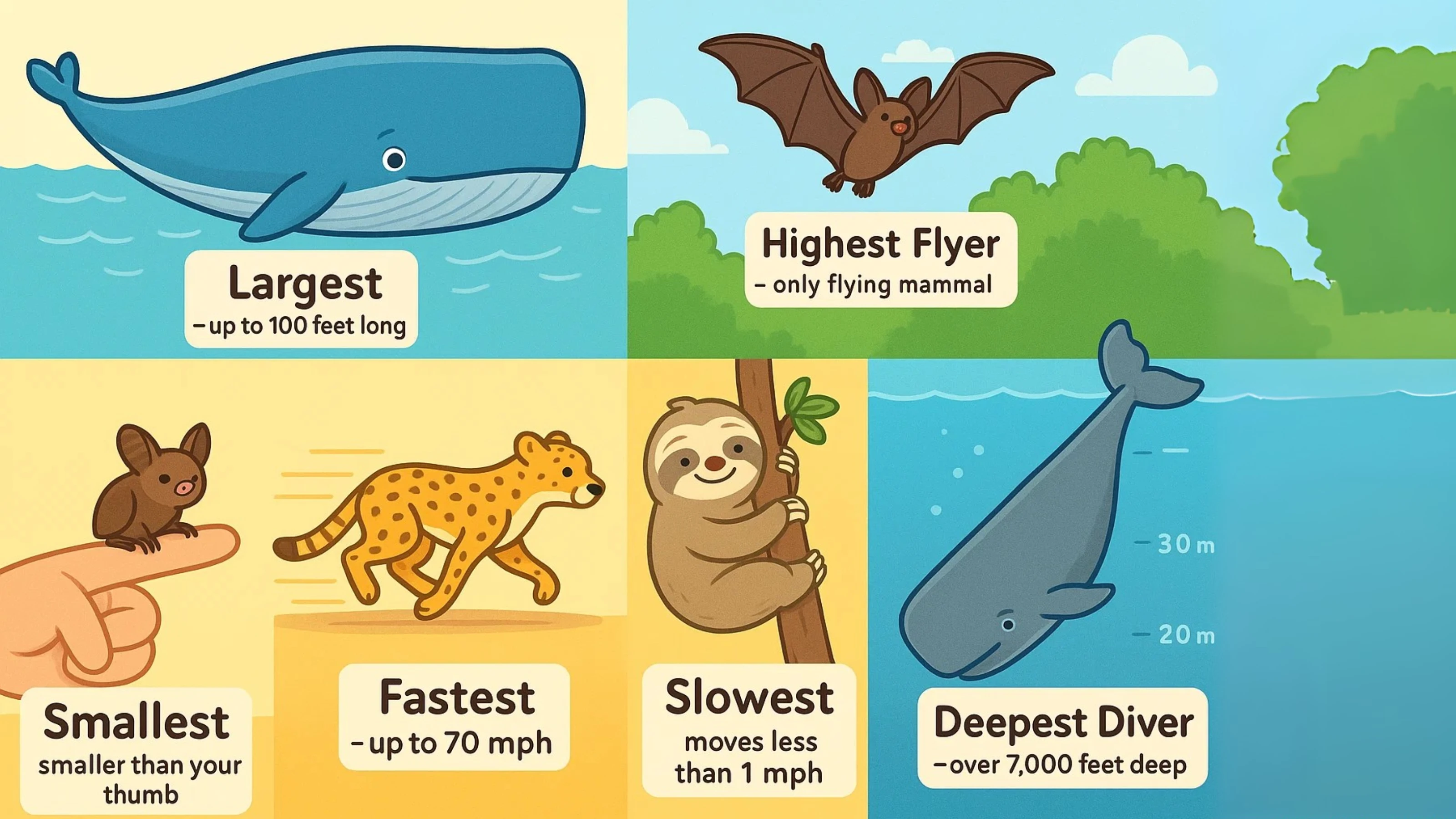
Milk: Nature's Perfect Baby Food
Milk is amazing stuff! It contains everything a baby mammal needs to grow - proteins for building muscles, fats for energy and brain development, sugars for quick energy, and antibodies to fight diseases. Different mammals produce different types of milk depending on their babies' needs.
Mammal Habitats: Everywhere on Earth
Mammals have adapted to live almost everywhere! Whales rule the oceans, bats own the night skies, monkeys swing through forest canopies, and moles tunnel underground. Some mammals like polar bears thrive in freezing cold, while others like camels excel in scorching deserts.
Mammals show us the incredible diversity of life on Earth - from the family dog sleeping on your couch to the mighty whale swimming in the ocean!