Mixtures and Solutions
Learn about different types of mixtures, how solutions work, and methods to separate mixed substances
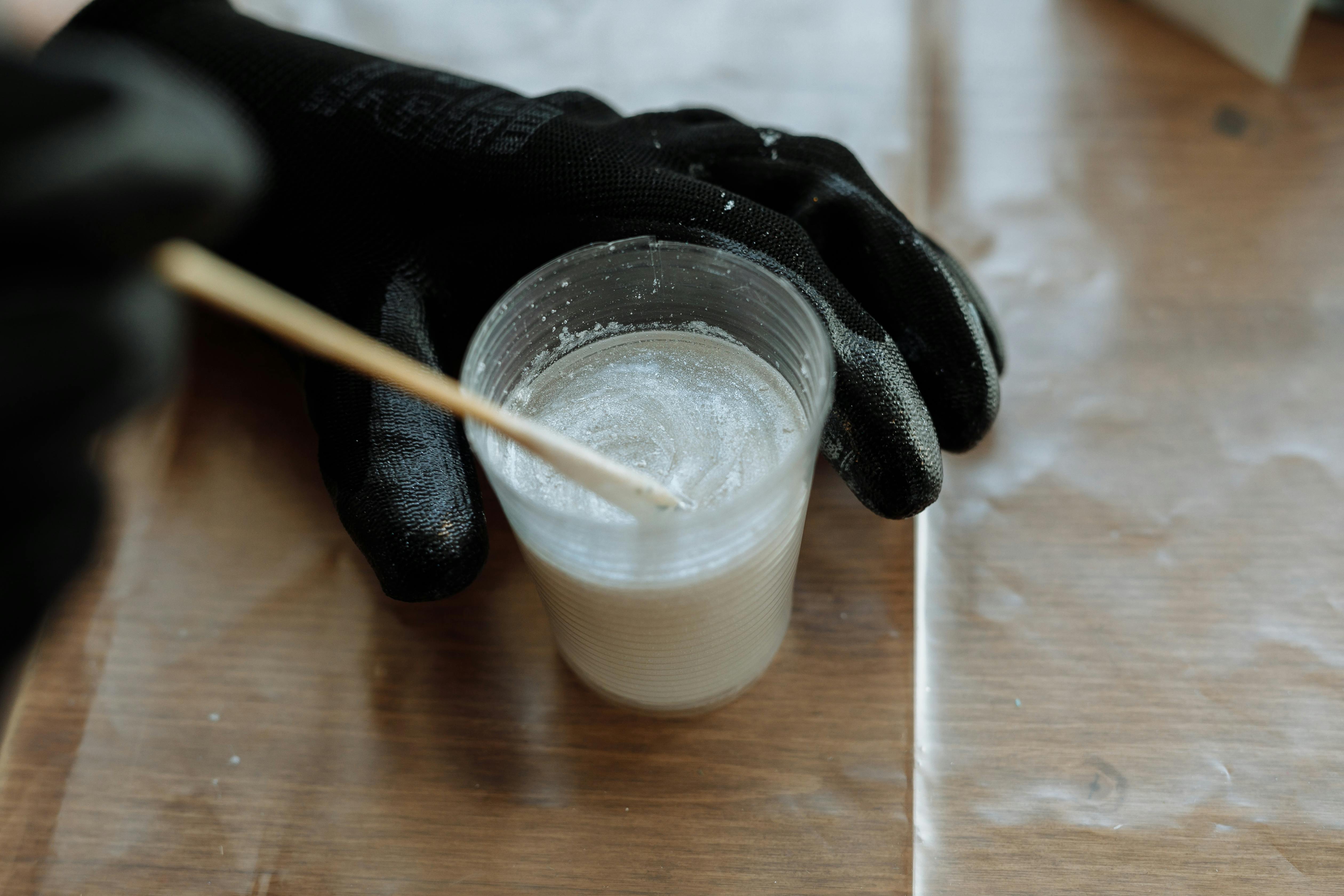
Person mixing different substances
Look around your kitchen and you'll see mixtures everywhere! Trail mix, salad dressing, chocolate milk, and even the air you breathe are all mixtures. Understanding mixtures and solutions helps explain how substances combine and how we can separate them again.
What Are Mixtures?
A mixture is two or more substances combined together, but each substance keeps its own properties. Unlike chemical reactions, no new substances are created when you make a mixture. You can usually separate the parts of a mixture using physical methods.
Solutions: When Things Dissolve
A solution is a special type of mixture where one substance (the solute) completely dissolves in another substance (the solvent). When sugar dissolves in water, you get a sugar solution - the sugar is still there, but you can't see it!
Why Do Some Things Dissolve?
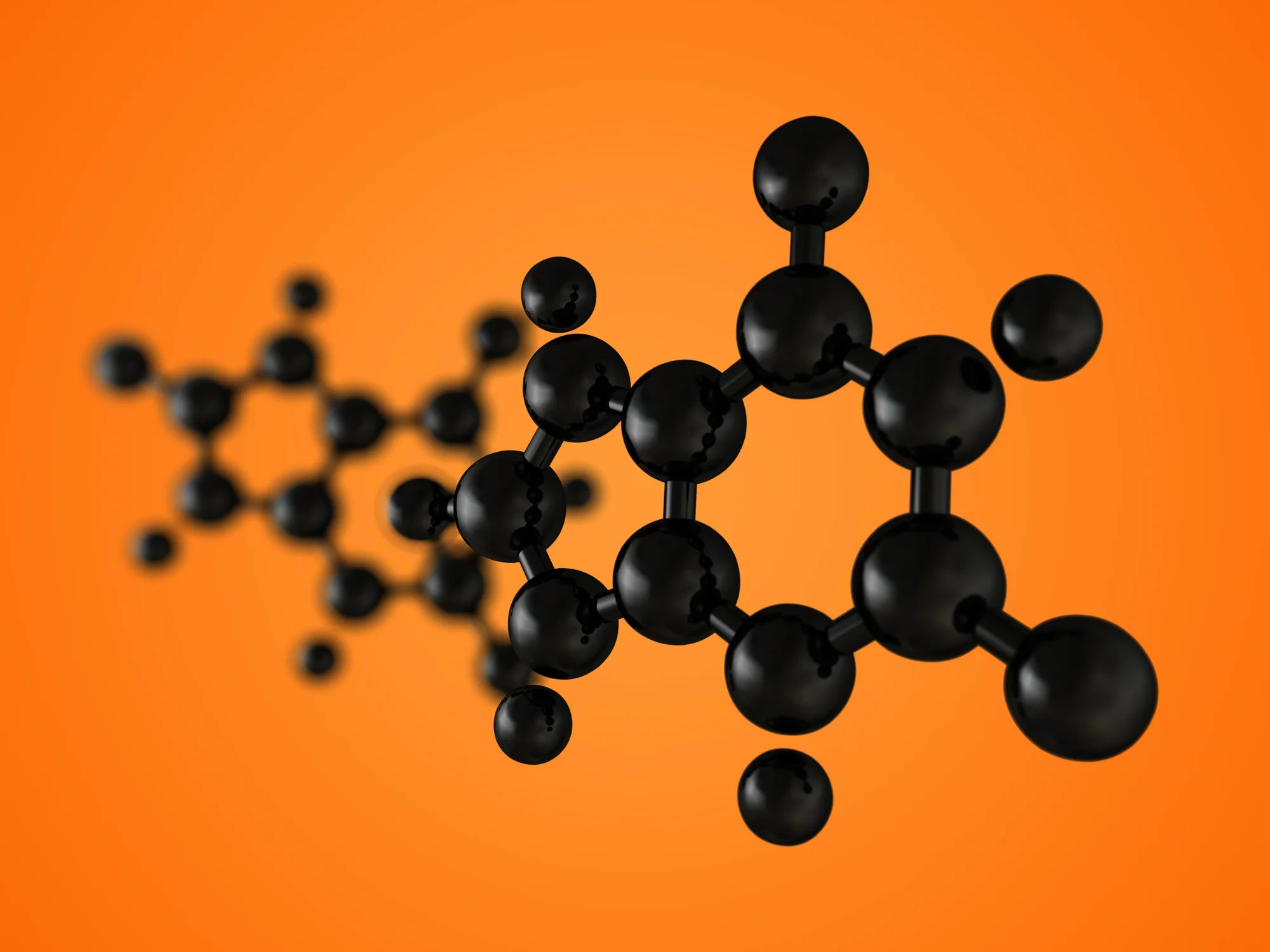
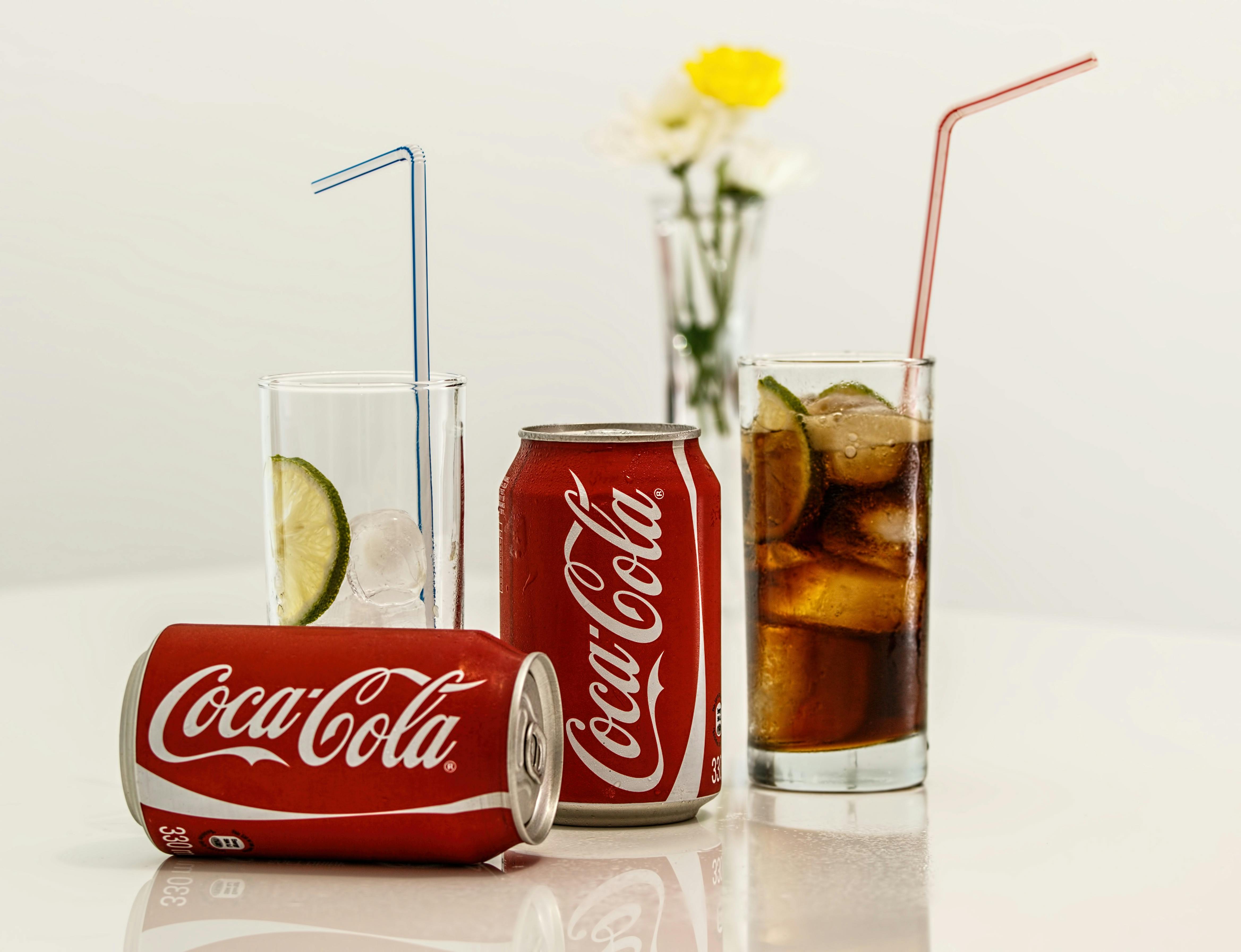
Whether something dissolves depends on the polarity of molecules. "Like dissolves like" is the rule! Water is polar, so it dissolves polar substances like salt and sugar. Oil is nonpolar, so it doesn't dissolve in water but will mix with other oils.
Separation Techniques: Taking Mixtures Apart
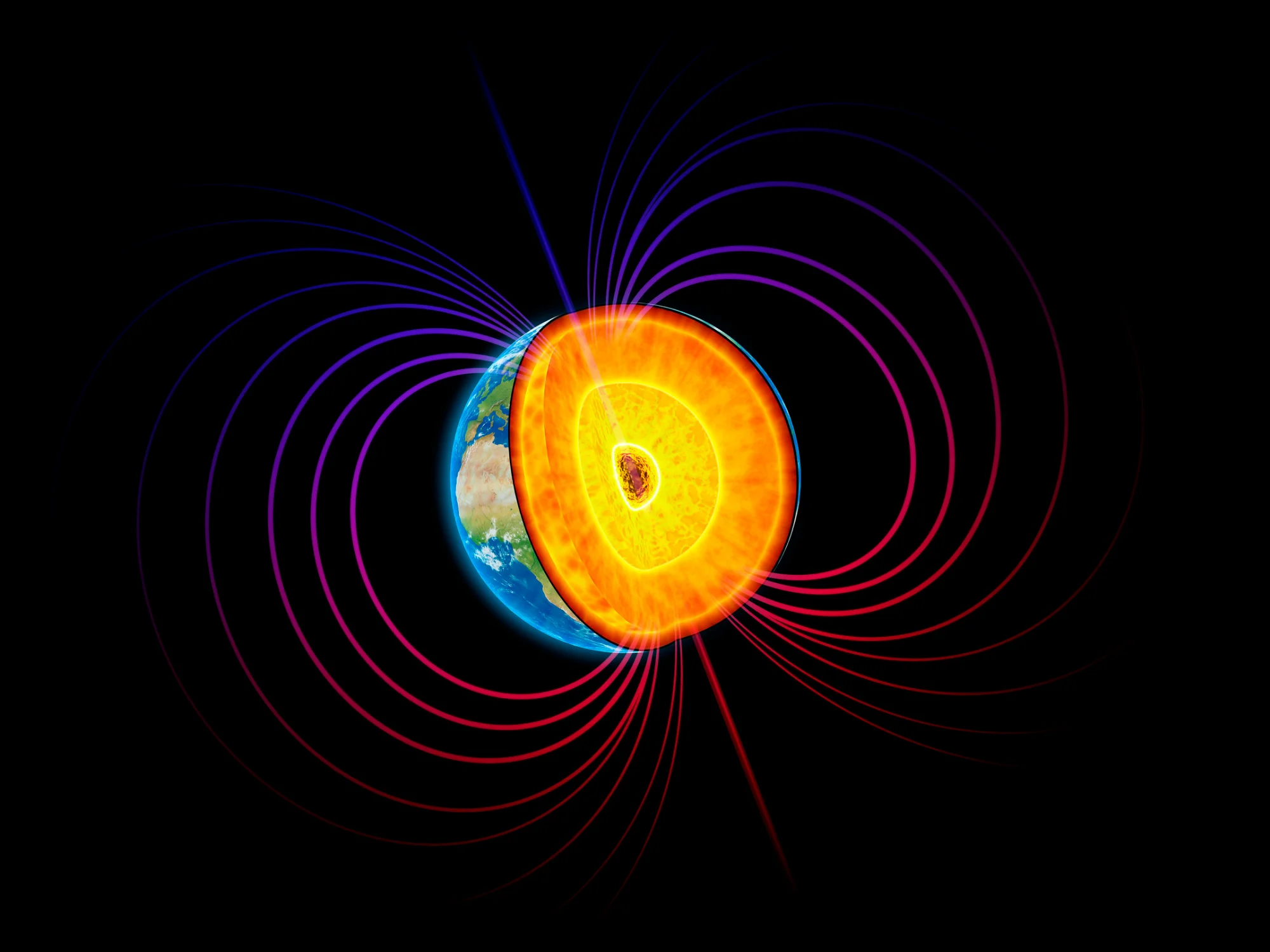
Scientists have developed many clever ways to separate mixtures: Filtering removes solid particles from liquids. Evaporation leaves dissolved substances behind when the solvent evaporates. Magnetic separation uses magnets to pull out magnetic materials.
Understanding mixtures and solutions helps us cook better food, clean more effectively, and even understand how our bodies process the liquids we drink!