Polymers
Learn about polymers in everyday objects, how they're made, and why they have such useful properties

Making slime to demonstrate polymer chains and their stretchy properties
Look around you right now - how many things can you see that are made of plastic? Your water bottle, phone case, shoes, and even some clothes are made from amazing materials called polymers. These super-useful substances are made of long chains of molecules linked together like a chemical necklace!
What Are Polymers?
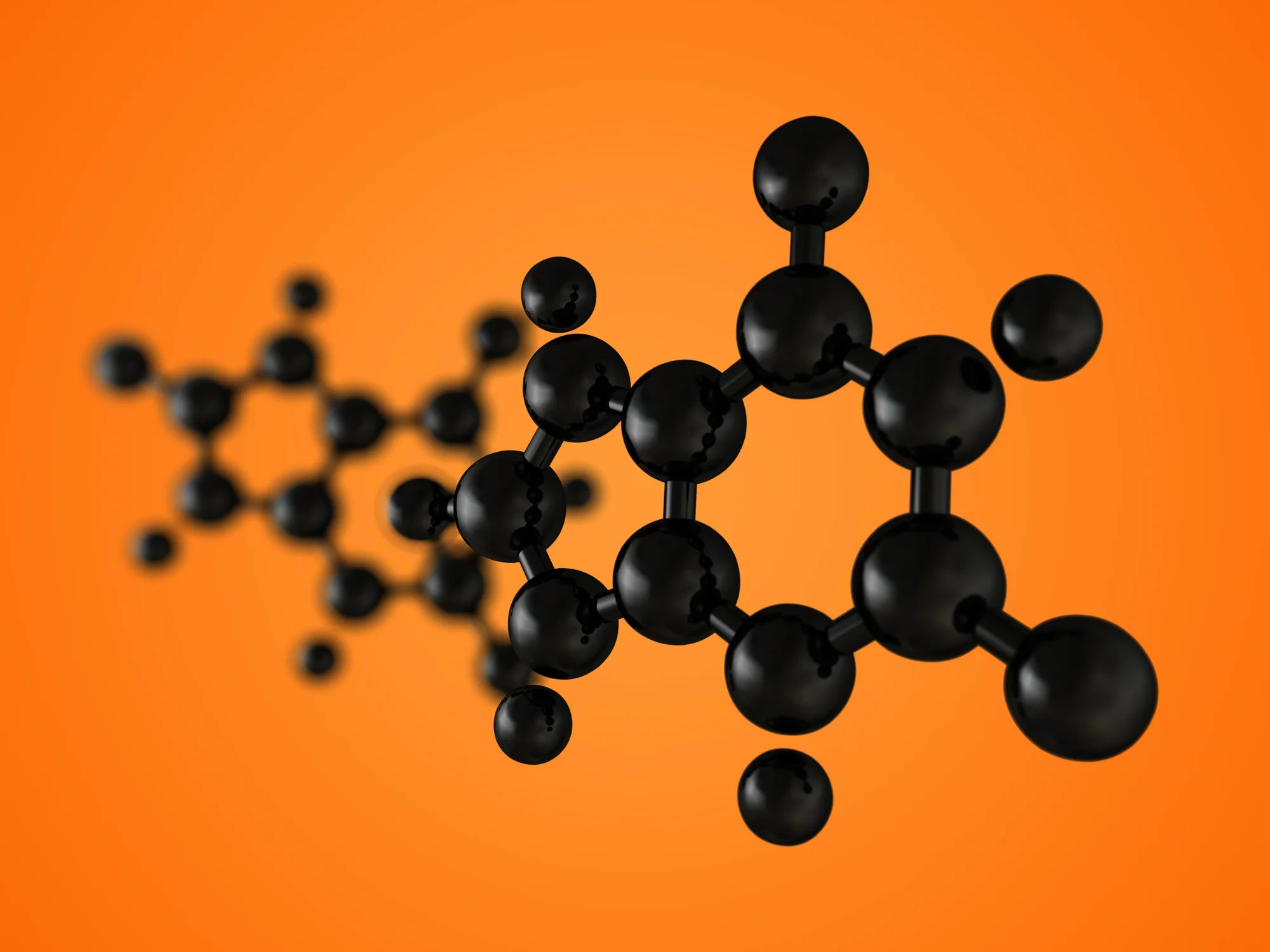
Polymers are large molecules made by connecting many smaller molecules (called monomers) together in long chains. Think of monomers as beads and polymers as necklaces made from thousands of beads strung together. This chain structure gives polymers their special properties.
Natural Polymers: Nature's Originals
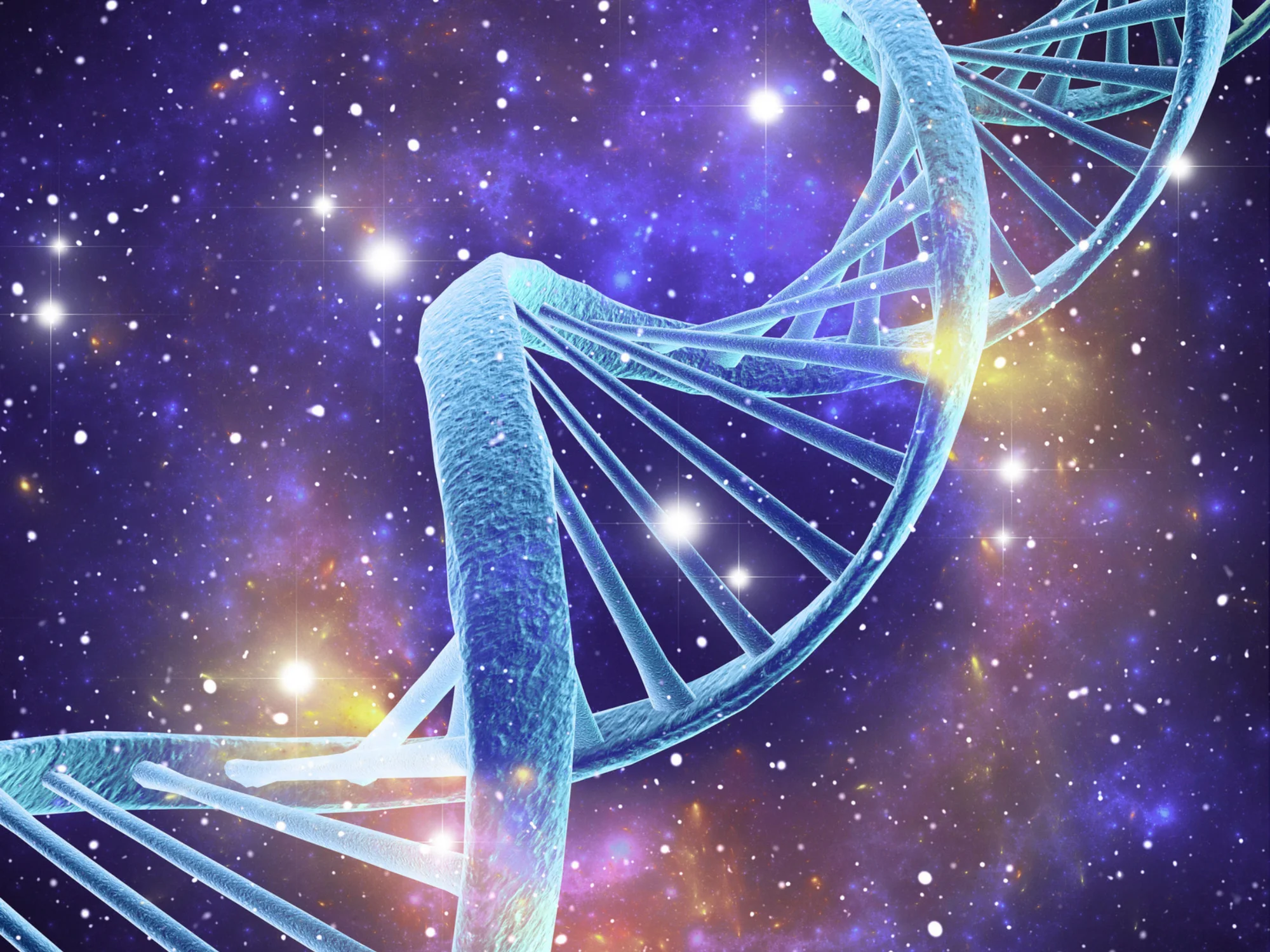
Nature invented polymers long before humans did! DNA is a polymer that stores genetic information. Proteins in your muscles are polymers. Cellulose in wood and paper is a polymer. Even spider silk and rubber from rubber trees are natural polymers.

Synthetic Polymers: Human-Made Materials
Scientists learned to make artificial polymers by copying nature's designs. Plastics like polyethylene (plastic bags) and polystyrene (foam cups) are synthetic polymers. Nylon and polyester are polymer fabrics. Silicone is a heat-resistant polymer used in cookware.
Why Are Polymers So Useful?
Polymer chains can slide past each other, making materials flexible. When chains are cross-linked, materials become strong and rigid. By changing the monomer recipe and chain structure, scientists can create materials that are stretchy, hard, clear, colored, or have almost any property needed!
Polymers have revolutionized our world - from the clothes we wear to the devices we use, these chain molecules make modern life possible!