Renewable vs Non-Renewable Resources

Learn the difference between resources that can be replaced and those that can't, and how to protect our planet
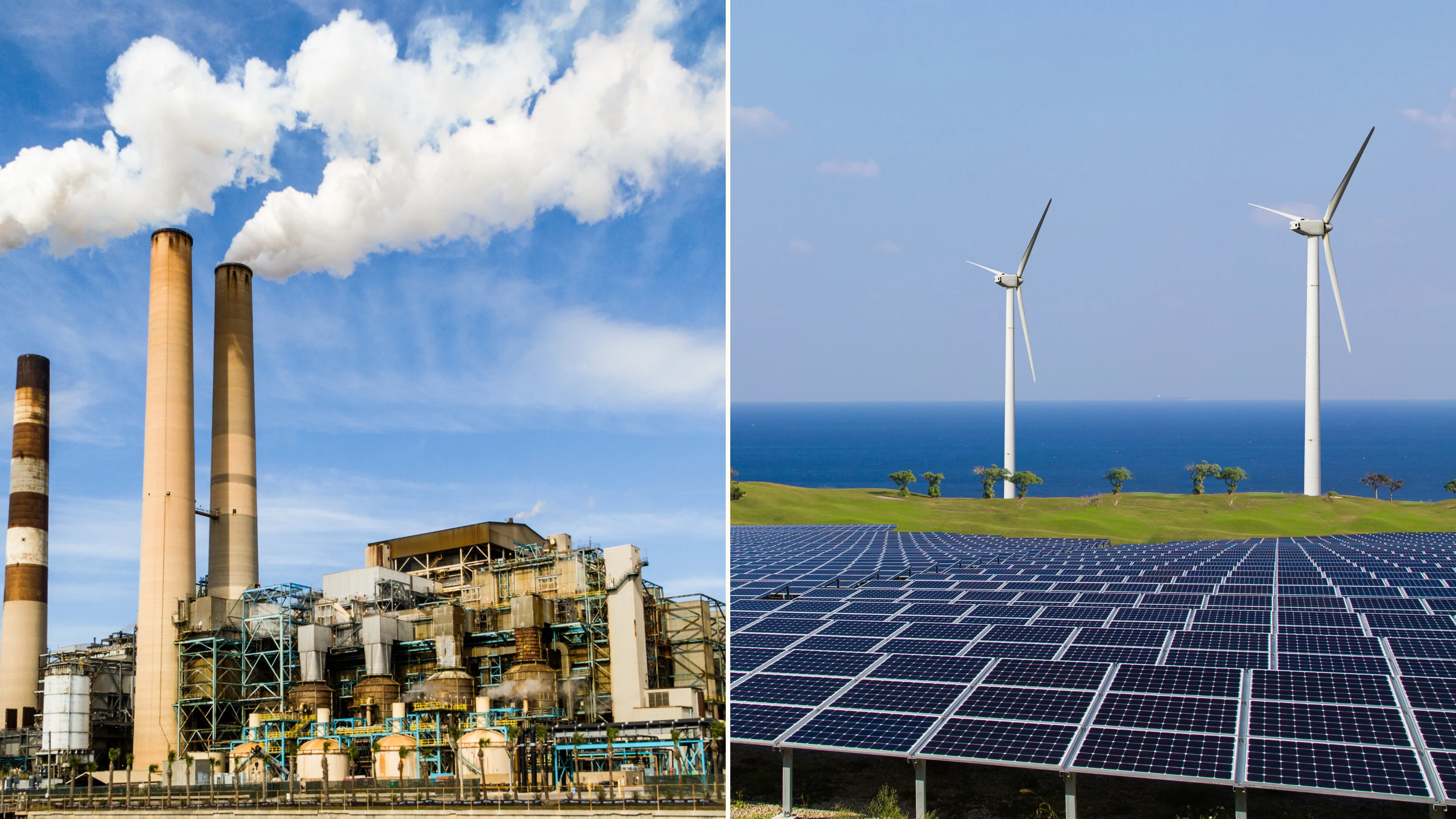

Comparison display showing fossil fuels and renewable energy sources side by side
1/3

Comparison display showing fossil fuels and renewable energy sources side by side

PHOTOGRAPH BY Duskbloom Littles

Every day we use Earth's resources for energy, materials, and food. But not all resources are the same! Some can be replaced naturally, while others take millions of years to form. Understanding renewable and non-renewable resources helps us make smart choices about how to take care of our planet.

What Are Natural Resources?

Natural resources are materials and energy sources that come from Earth and that people use to meet their needs. These include everything from the air we breathe and water we drink to the oil that powers cars and the wood that builds houses. Humans have always depended on natural resources for survival.
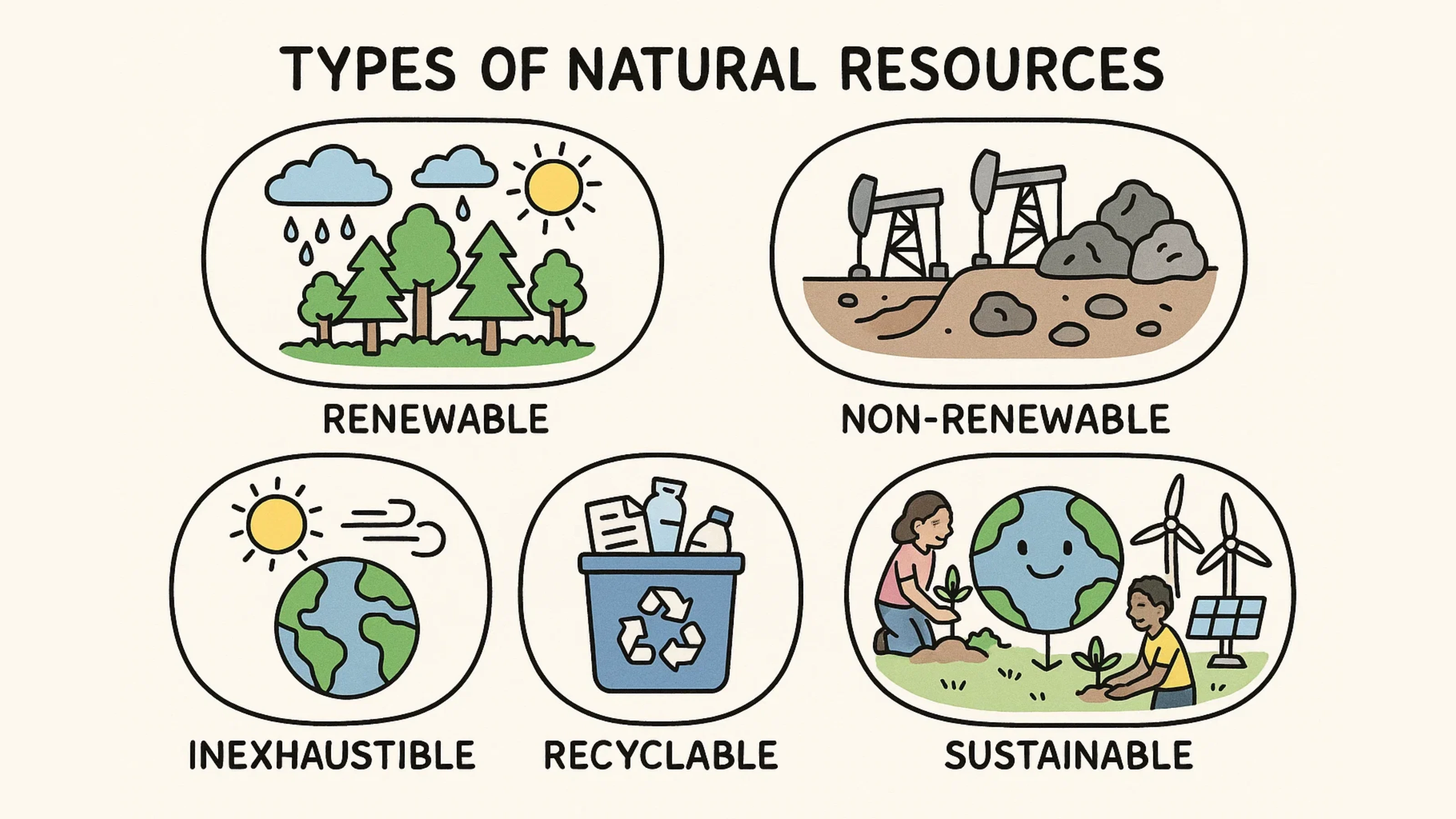
TYPES OF NATURAL RESOURCES
RENEWABLE: Can be replaced naturally in a human lifetime or less
NON-RENEWABLE: Take millions of years to form, limited supply
INEXHAUSTIBLE: So abundant they won't run out (like solar energy)
RECYCLABLE: Can be reused many times (like metals and paper)
SUSTAINABLE: Used in ways that don't harm future generations

Types of Natural Resources Diagram

Renewable Resources: Nature's Gifts That Keep Giving

Renewable resources can be replaced by natural processes within a human lifetime or shorter. Solar energy from the sun, wind power, flowing water (hydroelectric), and trees (when replanted) are all renewable. These resources won't run out if we use them wisely!

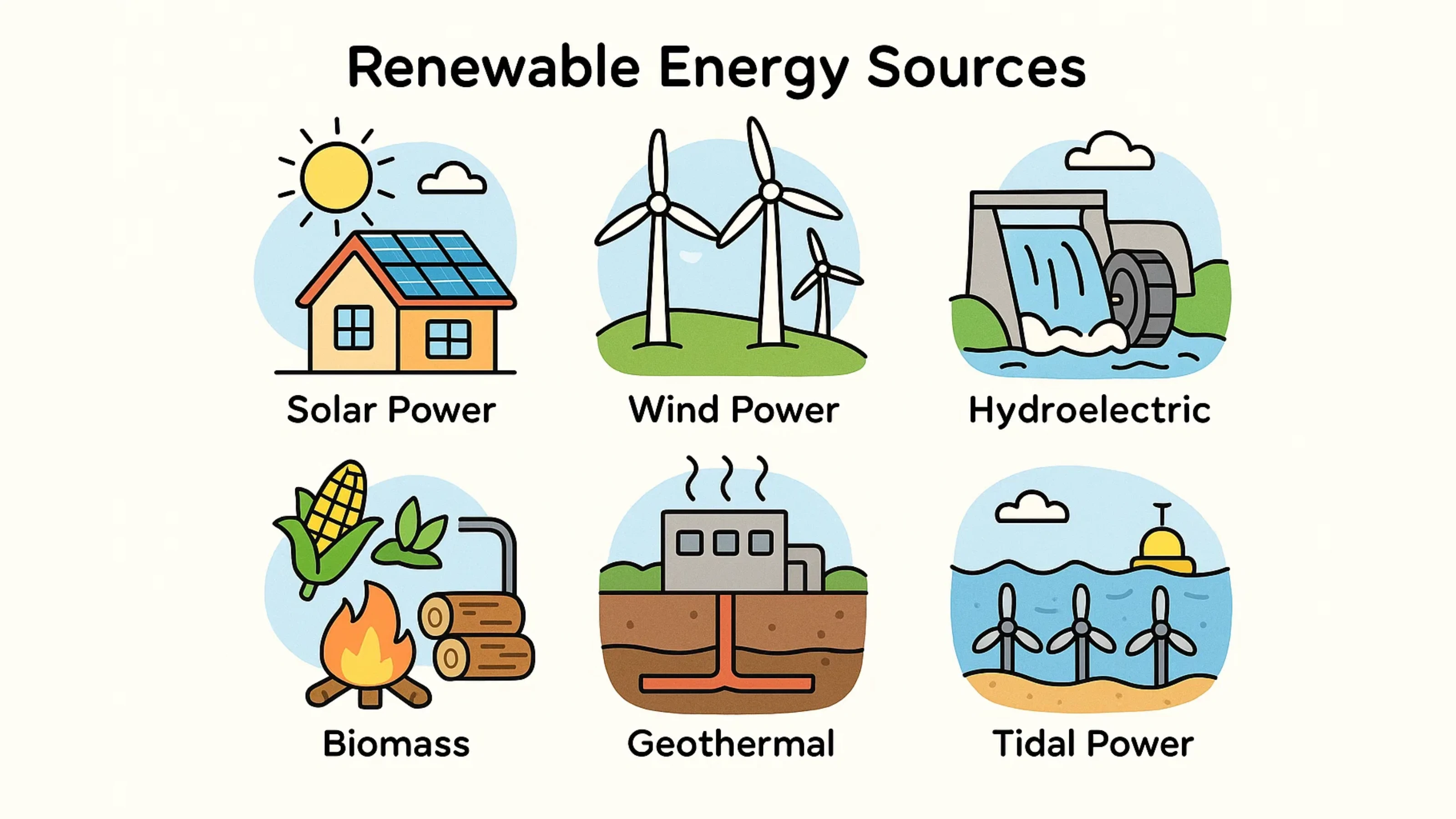
RENEWABLE ENERGY SOURCES
SOLAR POWER: Sunlight converted to electricity with solar panels
WIND POWER: Wind turning turbines to generate electricity
HYDROELECTRIC: Flowing water spinning generators
BIOMASS: Plant materials burned or converted to fuel
GEOTHERMAL: Heat from inside Earth used for energy
TIDAL POWER: Ocean waves and tides generating electricity
Info box image

Types of Renewable Energy Diagram

Non-Renewable Resources: Earth's Ancient Treasures

Non-renewable resources took millions of years to form and can't be replaced once we use them up. Fossil fuels like coal, oil, and natural gas formed from ancient plants and animals. Minerals like iron and copper took millions of years to concentrate in Earth's crust.

Fossil Fuels: Energy from the Ancient Past

Fossil fuels are the compressed remains of plants and animals that lived millions of years ago. Coal formed from ancient swamps, oil came from marine organisms, and natural gas formed alongside oil. While these fuels provide lots of energy, they also produce pollution and will eventually run out.

CONSERVATION ACTIVITIES
Track your family's energy use for a week
Find ways to reduce, reuse, and recycle at home
Plant trees or start a garden
Walk or bike instead of driving short distances
Turn off lights and electronics when not in use

ADVANTAGES AND DISADVANTAGES
RENEWABLE PROS: Clean, won't run out, create jobs, reduce pollution
RENEWABLE CONS: Can be expensive to start, depend on weather
NON-RENEWABLE PROS: Concentrated energy, reliable, existing infrastructure
NON-RENEWABLE CONS: Limited supply, pollution, climate change, mining damage

THE FUTURE OF ENERGY
SOLAR GROWTH: Solar power is becoming cheaper and more efficient
ELECTRIC VEHICLES: Cars powered by clean electricity instead of gasoline
SMART GRIDS: Electrical systems that efficiently use renewable energy
ENERGY STORAGE: Better batteries to store renewable energy
GREEN JOBS: New careers in renewable energy industries

WHAT YOU CAN DO
ENERGY CONSERVATION: Use less energy at home and school
RENEWABLE CHOICES: Support solar and wind energy when possible
REDUCE WASTE: Buy less, reuse more, recycle everything you can
TRANSPORTATION: Walk, bike, or use public transportation
EDUCATION: Learn about and teach others about sustainability

CHALLENGES WE FACE
CLIMATE CHANGE: Burning fossil fuels changes Earth's climate
AIR POLLUTION: Fossil fuels create smog and health problems
RESOURCE DEPLETION: We're using non-renewable resources faster than ever
ENVIRONMENTAL DAMAGE: Mining and drilling can harm ecosystems
GLOBAL COOPERATION: Need worldwide effort to solve these problems

Understanding renewable and non-renewable resources helps us make choices that protect Earth for future generations - we can be the generation that learns to live sustainably!