Heat and Temperature
Understand the difference between heat and temperature, and learn how thermal energy travels through conduction, convection, and radiation

Floating thermometer checking the temperature of water in a pool
Why does a metal spoon get hot when you leave it in hot soup? Why do you feel warm when you stand in sunlight? The answers lie in understanding heat and temperature - two related but different concepts that affect everything around us!
Heat vs. Temperature: What's the Difference?
Temperature tells us how hot or cold something is - like a measurement we can read on a thermometer. Heat is energy that moves from hot objects to cold objects. Think of temperature as the speedometer in a car, and heat as the actual movement of the car itself.
Three Ways Heat Travels
Heat is like an invisible traveler that can move in three different ways: conduction, convection, and radiation. Each method works differently but they all help heat energy spread around our world.
Conduction: Heat Through Touch
Conduction happens when heat travels through solid objects that are touching. When you hold a hot mug, heat moves from the mug into your hands through direct contact. Metals are excellent heat conductors - that's why metal spoons get hot so quickly!
Convection: Heat Through Moving Liquids and Gases
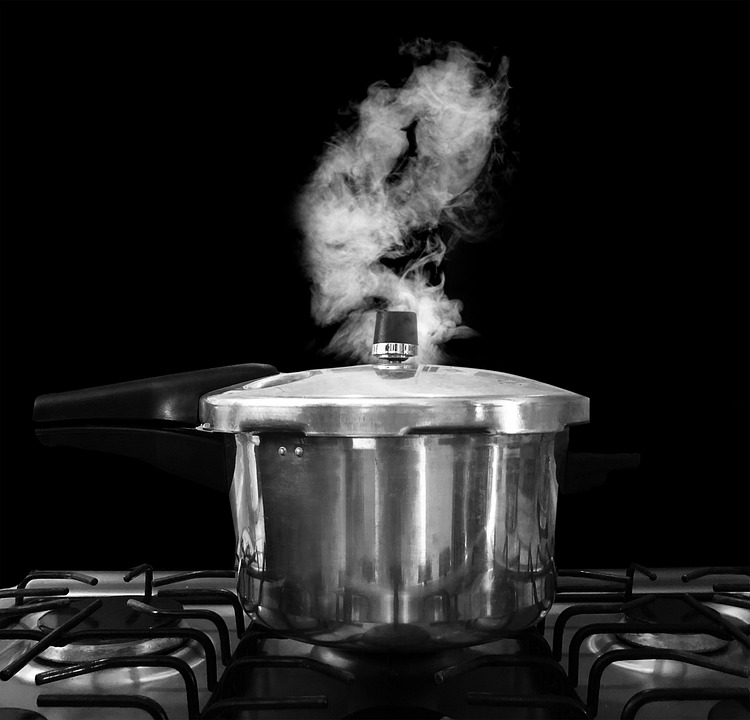
Convection happens when heat travels through moving liquids or gases. Hot air rises (like smoke from a campfire), while cool air sinks. This creates currents that spread heat around, like how a heater warms up an entire room.
Radiation: Heat Through Space
Radiation is heat that travels through empty space without needing to touch anything. The sun warms Earth through radiation, traveling 93 million miles through space! You can feel radiant heat when you stand near a campfire.
Heat and temperature work together to keep our planet at just the right warmth for life!