Galaxy Clusters
Discover amazing facts about galaxy clusters, the enormous groups of hundreds or thousands of galaxies held together by gravity

Galaxy clusters contain hundreds or thousands of galaxies packed together like cosmic cities
PHOTOGRAPH BY NASA, ESA, STScI, James Jee (Yonsei University), Joseph DePasquale (STScI)
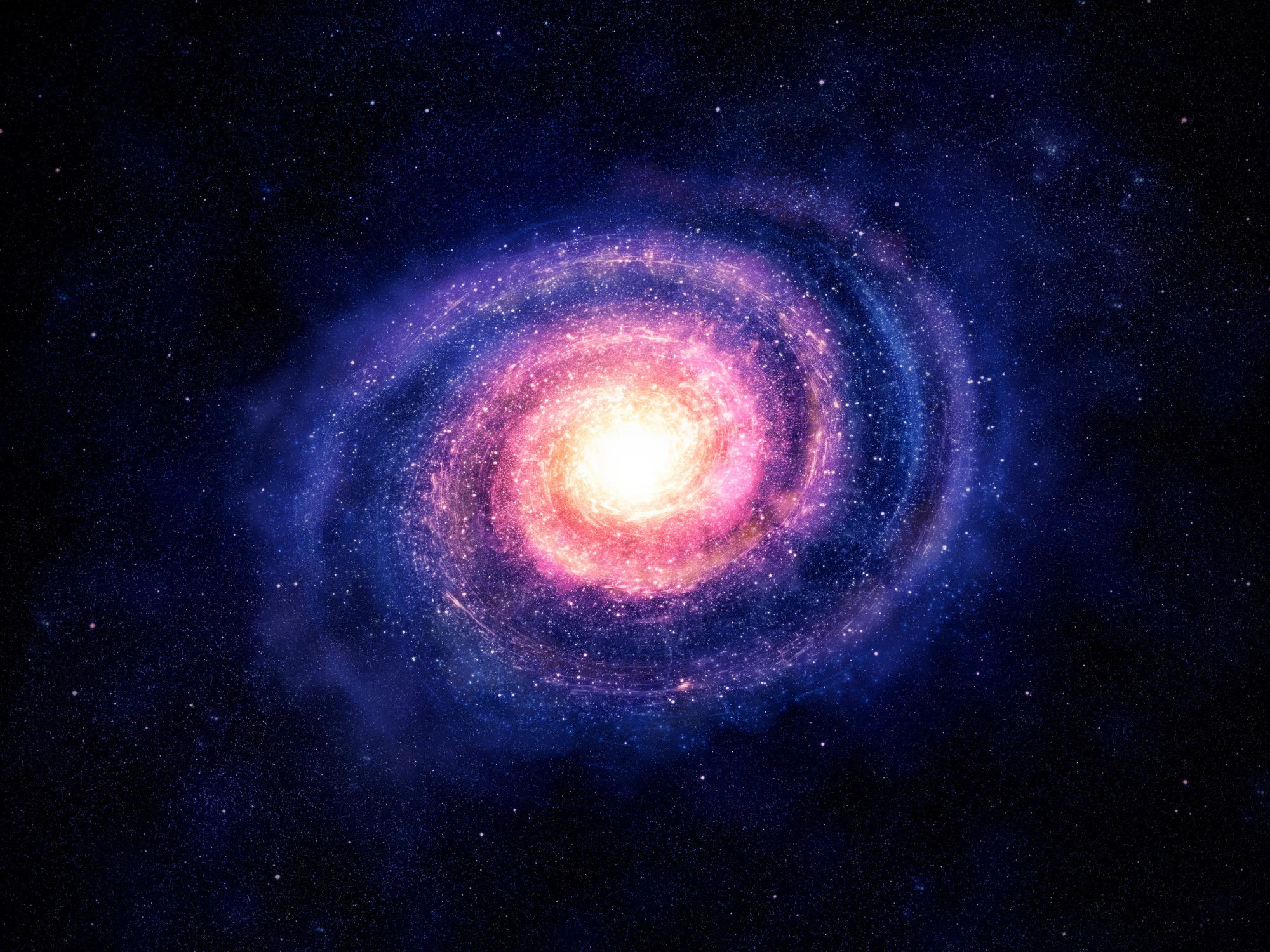
Galaxy clusters are like enormous cosmic cities where hundreds or thousands of galaxies live together as neighbors! Just like how stars group together to form galaxies, galaxies themselves group together to form these massive structures that are held together by gravity. These clusters are some of the largest structures in the entire universe, stretching across millions of light-years and containing more mass than millions of billions of stars. Our own Milky Way galaxy lives in a relatively small cluster called the "Local Group," which contains about 80 galaxies including our neighbor Andromeda.
The Local Group is actually quite small compared to some of the giant galaxy clusters that astronomers have discovered. Massive clusters like the Coma Cluster contain over 1,000 individual galaxies packed together in a space about 20 million light-years across! These enormous clusters are mostly filled with invisible "dark matter" that we can't see directly but can detect by its gravitational effects. In fact, galaxy clusters contain about six times more dark matter than normal matter, making them perfect laboratories for studying this mysterious substance.
Galaxy clusters are incredible cosmic laboratories that help scientists understand how the universe works on the largest scales. The enormous gravity of galaxy clusters can bend and distort light from even more distant galaxies behind them, creating a effect called "gravitational lensing" that works like a cosmic magnifying glass. This allows astronomers to study galaxies that are so far away they would otherwise be impossible to see. Galaxy clusters also contain extremely hot gas between the galaxies that glows in X-rays, and some clusters are crashing into each other in slow-motion collisions that take millions of years to complete.