Galaxy Collisions
Discover amazing facts about galaxy collisions, the spectacular events when massive galaxies crash into each other over millions of years

Colliding galaxies create spectacular shapes with long tails of stars and gas stretching across space
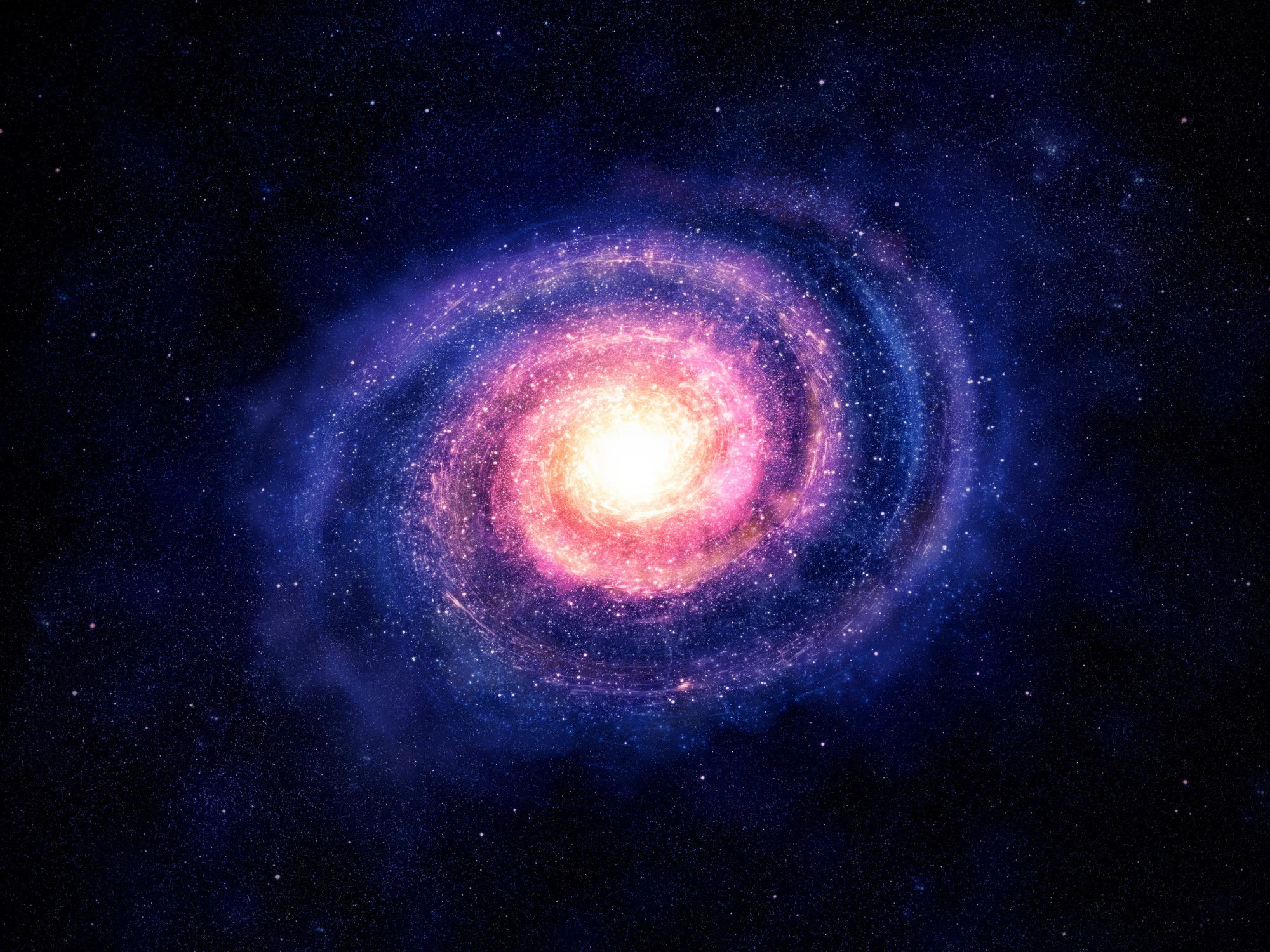
Galaxy collisions are some of the most spectacular events in the universe, but they happen so slowly that they look like cosmic slow-motion crashes! When two galaxies collide, they don't actually "crash" like cars - instead, they dance around each other for hundreds of millions of years, gradually pulling each other apart with gravity before eventually merging into one larger galaxy. During this cosmic ballet, the galaxies create incredible shapes with long tails and streams of stars stretching across millions of light-years of space.
Even though galaxy collisions sound violent and dangerous, they're actually quite gentle for any planets or solar systems inside the galaxies. Space is so incredibly vast that individual stars almost never actually hit each other during a collision - it's like throwing two handfuls of sand at each other where the grains rarely touch. However, the gravitational forces during collisions can trigger massive bursts of new star formation as gas clouds get compressed and heated up, creating some of the most beautiful and active star-forming regions in the universe.
Galaxy collisions are happening all around us in the universe right now! Astronomers have discovered many pairs and groups of colliding galaxies at different stages of the process. Some famous examples include the "Antennae Galaxies" (which look like an insect's antennae), the "Whirlpool Galaxy" (being disrupted by a smaller companion), and the "Mice Galaxies" (with long tails that look like mouse tails). Our own Milky Way is currently in the process of slowly absorbing several smaller dwarf galaxies, and in about 4.5 billion years, we'll experience our own major collision when the Andromeda Galaxy arrives!