Types of Galaxies
Discover amazing facts about the different types of galaxies - spiral, elliptical, and irregular - and the incredible variety of cosmic structures

The three main types of galaxies - spiral (like pinwheels), elliptical (like footballs), and irregular (like cosmic clouds)
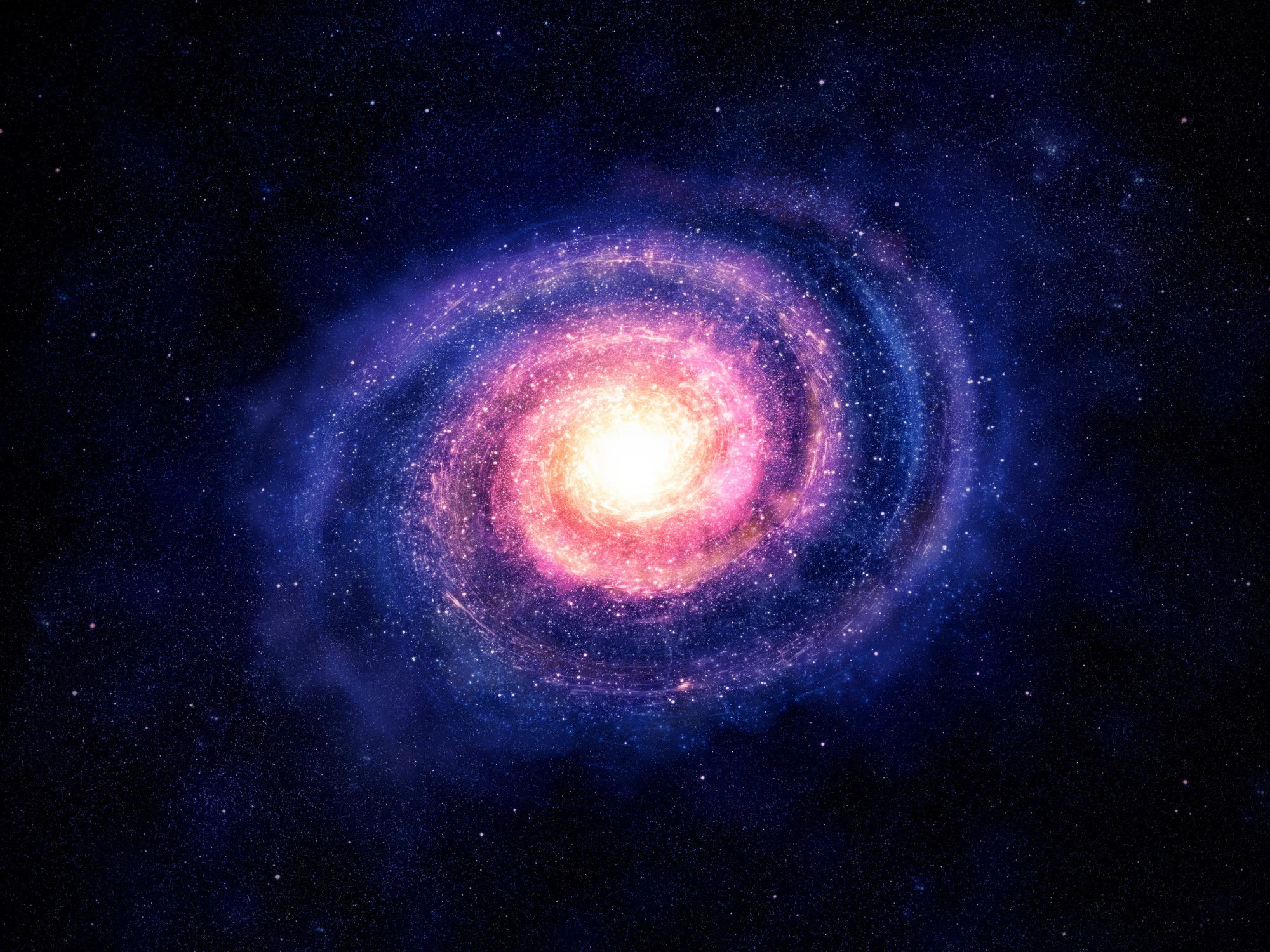
Galaxies come in three main types, each with its own unique shape and personality! Just like how people look different from each other, galaxies throughout the universe display an amazing variety of shapes, sizes, and colors. Astronomers classify most galaxies into three basic categories: spiral galaxies (which look like cosmic pinwheels), elliptical galaxies (which look like stretched-out footballs or spheres), and irregular galaxies (which have unusual, messy shapes that don't fit the other categories).
Spiral galaxies like our Milky Way and Andromeda are probably the most beautiful and recognizable type. They have graceful curved arms that spiral outward from a bright central bulge, creating patterns that look like cosmic hurricanes or pinwheels. The spiral arms are where most new stars are born, making them appear bright blue from all the young, hot stars. Some spiral galaxies have a bar-shaped structure across their center (called "barred spirals"), while others have tightly wound arms and others have loose, open spirals.
Elliptical galaxies are shaped like footballs or spheres and contain mostly older, reddish stars with very little gas or dust for making new stars. These galaxies range from nearly circular to very stretched out, and they can be either tiny dwarf galaxies or massive giants containing trillions of stars. Irregular galaxies are the "wild cards" of the galaxy family - they have messy, chaotic shapes often caused by gravitational interactions with other galaxies. The Large and Small Magellanic Clouds, which are companion galaxies to our Milky Way, are examples of irregular galaxies that you can see from the Southern Hemisphere.