Earth
Discover amazing facts about Earth, our incredible home planet and the only known world with life

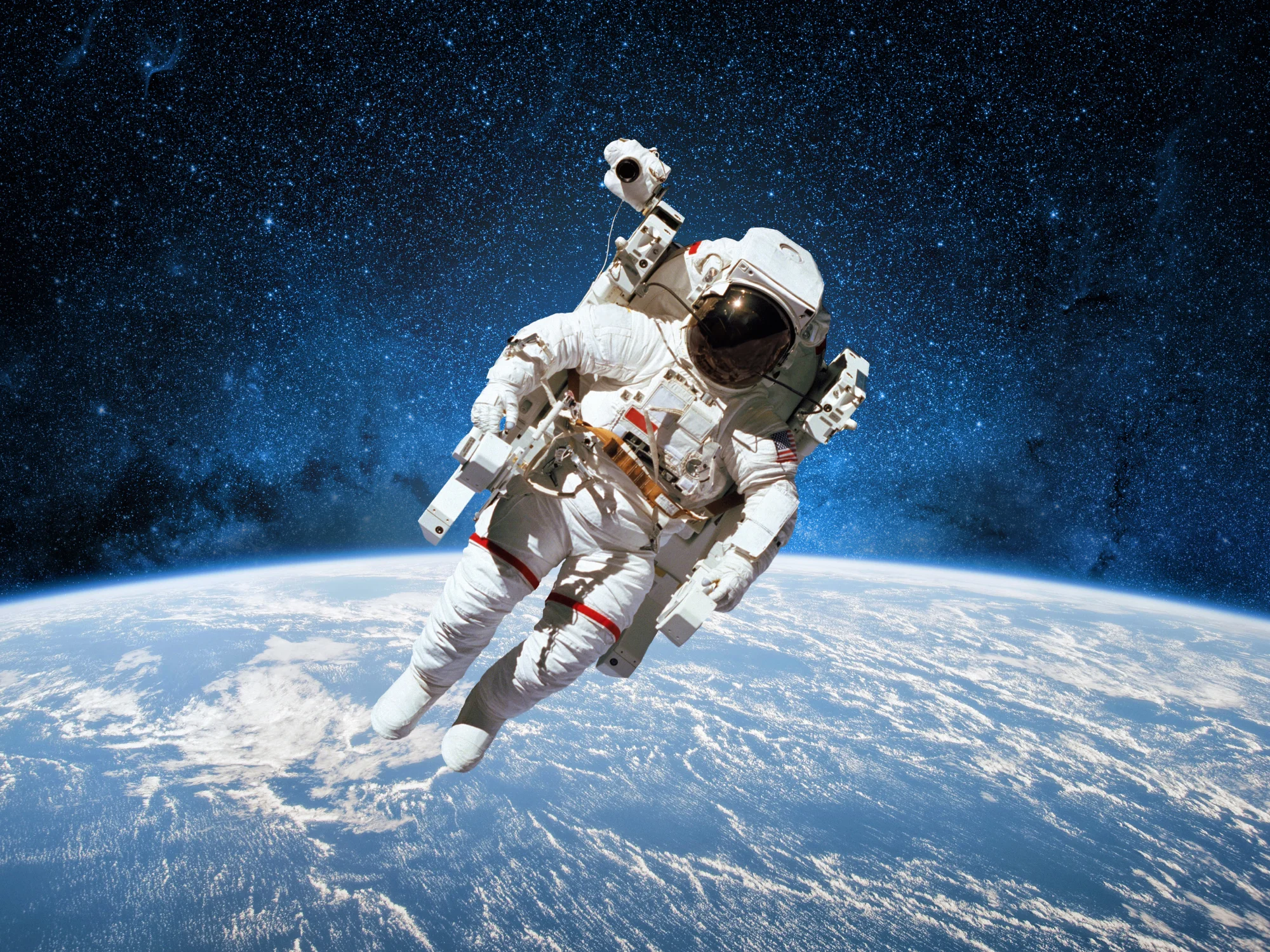
Earth from space showing our blue oceans, white clouds, and green and brown continents
Earth is the most amazing planet we know because it's our home and the only place in the universe where we've found life! From space, Earth looks like a beautiful blue marble covered with swirling white clouds. The blue color comes from our vast oceans, which cover about 71% of the planet's surface. Earth is the perfect distance from the Sun - not too hot and not too cold - which scientists call the "Goldilocks Zone."
What makes Earth so special is that it has everything life needs to survive: liquid water, breathable air, and a protective atmosphere that shields us from harmful radiation from space. Earth also has a powerful magnetic field that acts like an invisible shield, deflecting dangerous particles from the Sun. Our planet is constantly changing, with moving continents, erupting volcanoes, and weather patterns that help distribute heat and water around the globe.
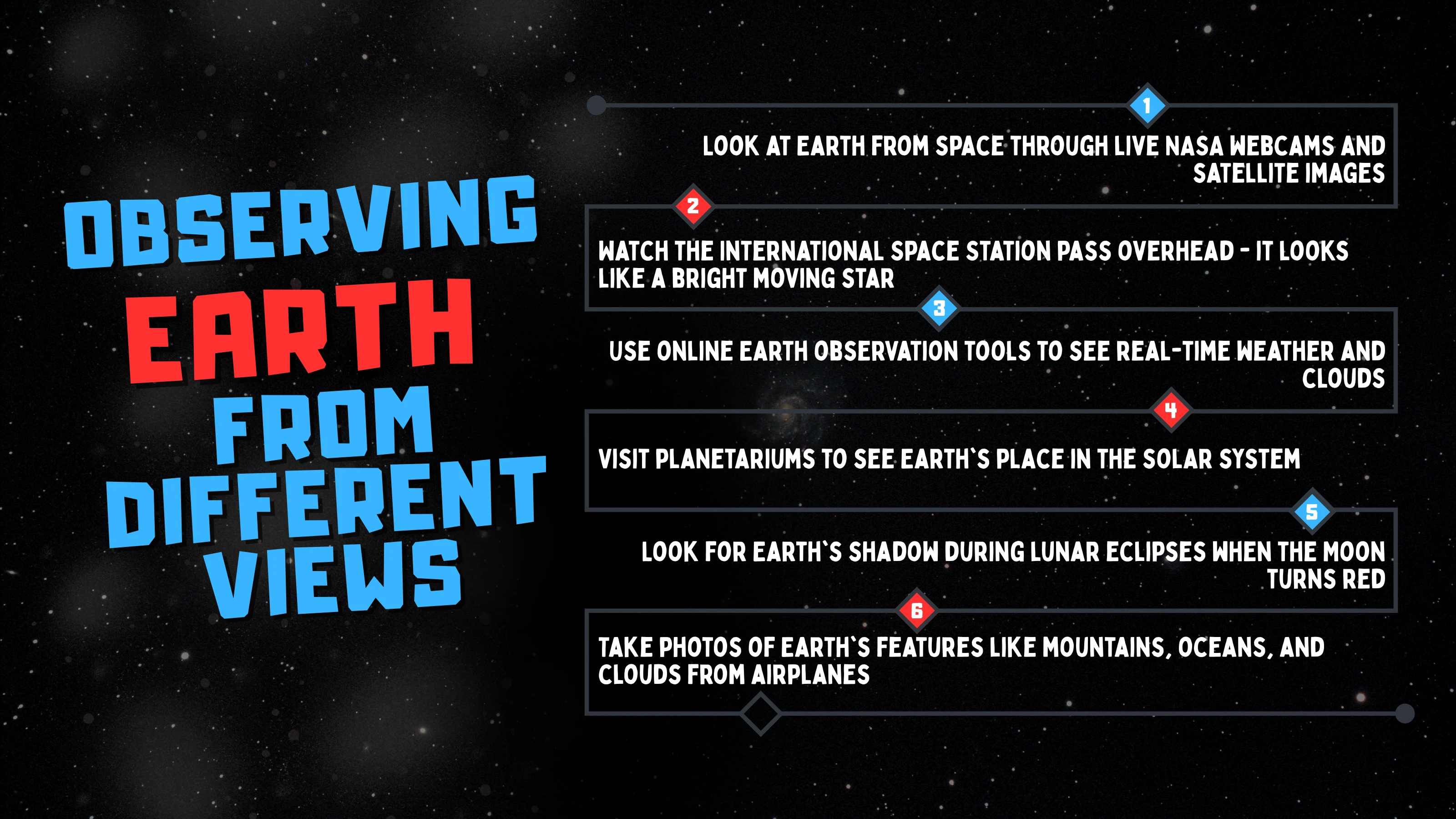
Scientists study Earth from space using satellites that take pictures and measure things like temperature, weather, and changes to our environment. The International Space Station orbits Earth every 90 minutes, giving astronauts an incredible view of our planet. These space missions help us understand how Earth works and how we can take better care of our home.
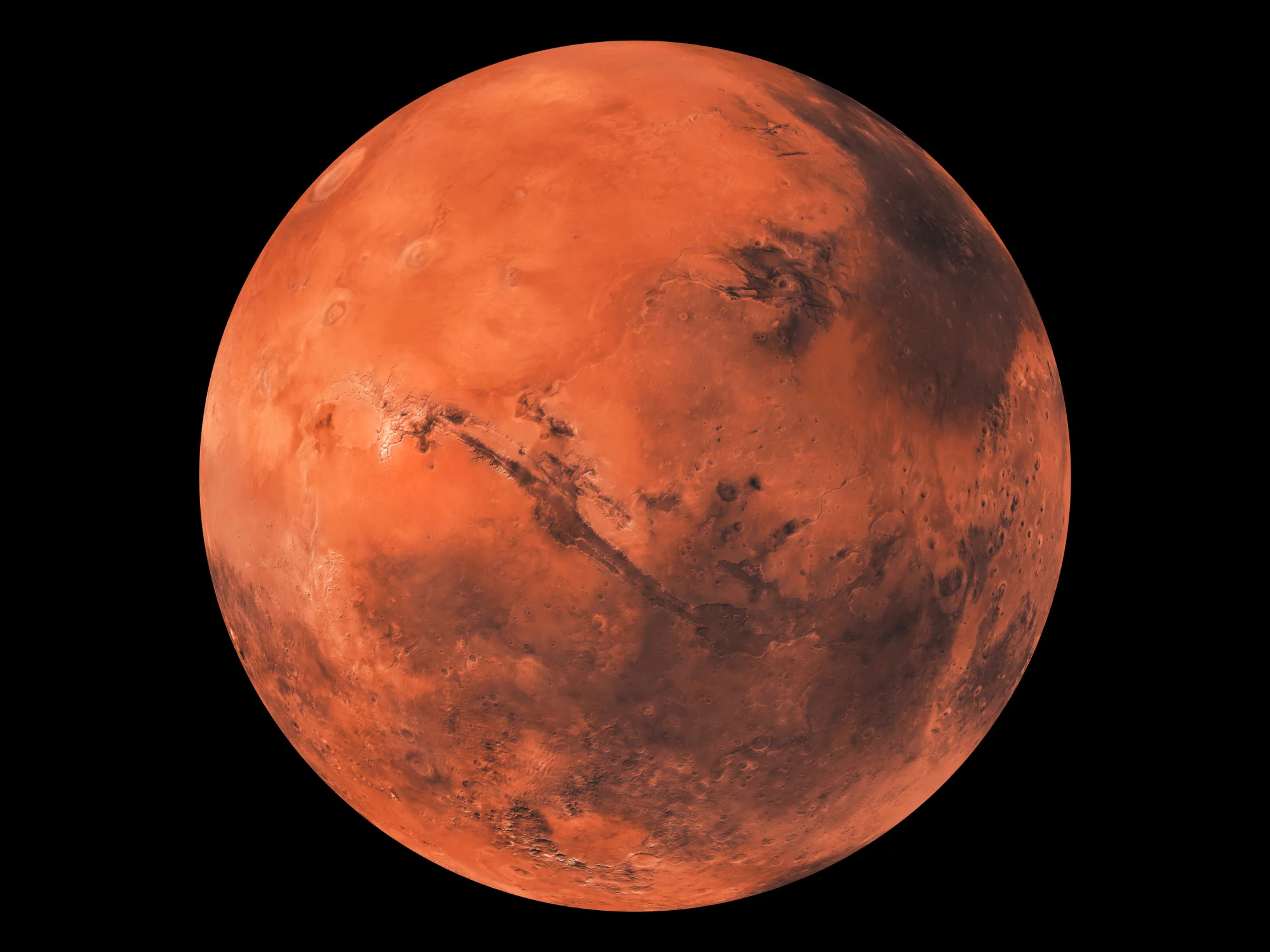
NASA and other space agencies are always learning new things about Earth by comparing it to other planets. By studying Mars, Venus, and other worlds, scientists can better understand what makes Earth so special and how we can protect it. Future missions will continue to study Earth's climate, oceans, and atmosphere to help us keep our planet healthy for future generations!