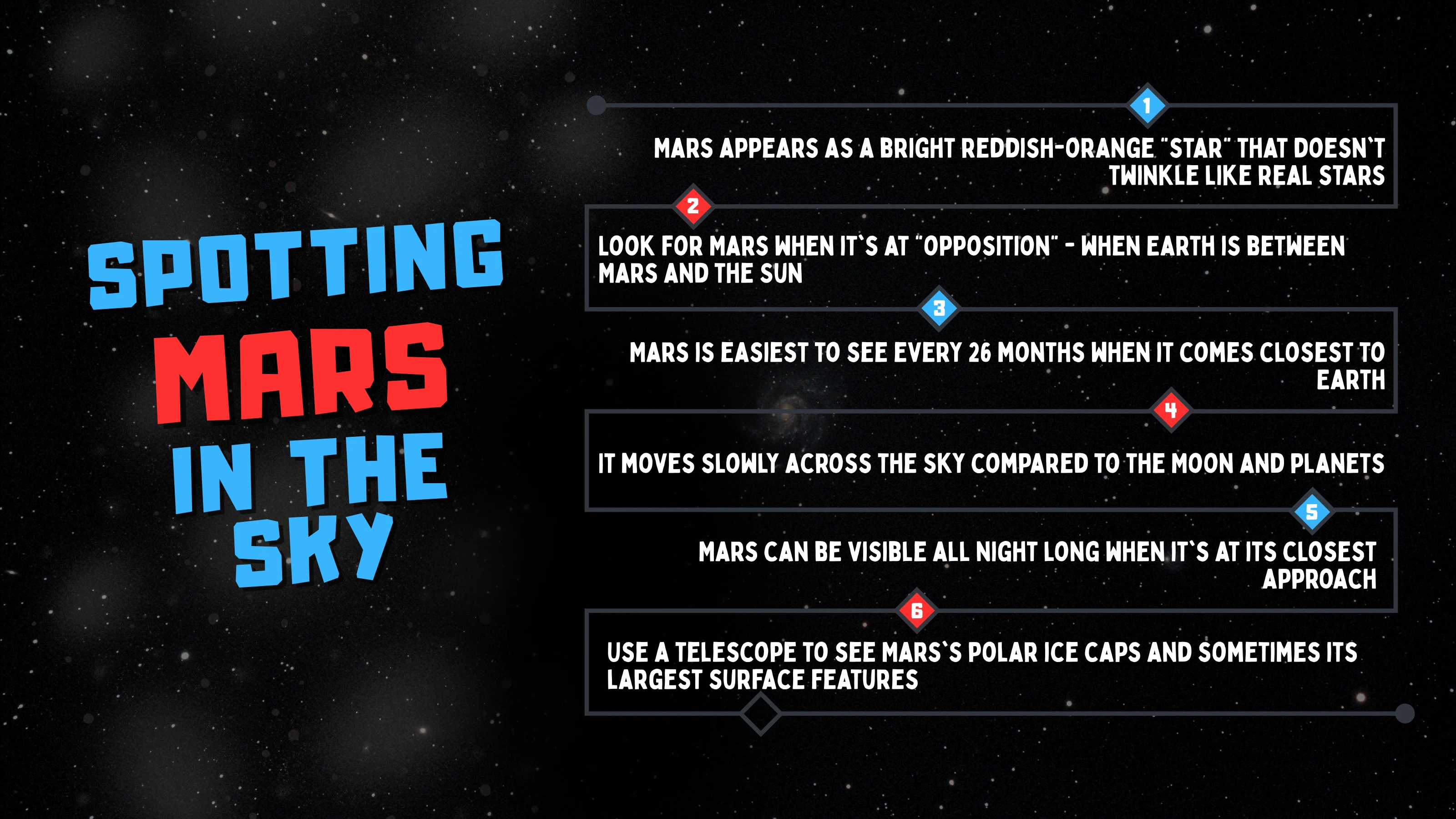
Mars
Discover amazing facts about Mars, the red planet that might have once had life and could be humanity's next home

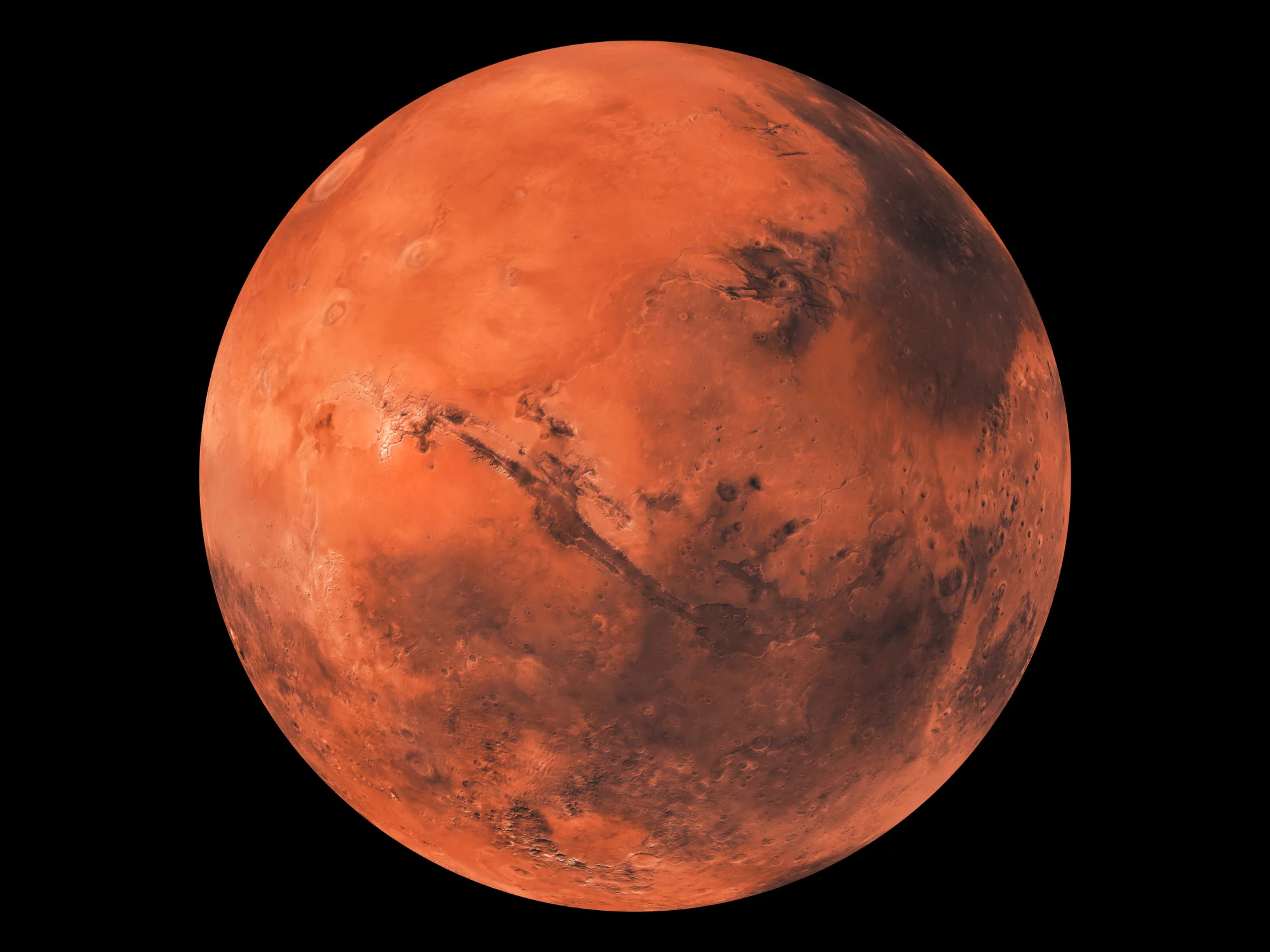
Mars gets its red color from iron oxide (rust) covering much of its surface
PHOTOGRAPH BY ESA & MPS for OSIRIS Team MPS/UPD/LAM/IAA/RSSD/INTA/UPM/DASP/IDA
Mars is called the "Red Planet" because of its rusty, reddish color that you can see even from Earth! This amazing world is about half the size of Earth and is our closest planetary neighbor after Venus. Mars gets its red color from iron oxide - basically rust - that covers much of its surface. Long ago, Mars might have been a lot like Earth, with flowing rivers, lakes, and maybe even oceans!
Today, Mars is a cold, dry desert world with giant dust storms that can cover the entire planet for months at a time. But Mars still has some incredible features that make it fascinating to explore. It has the largest volcano in our solar system (Olympus Mons), a canyon so big that it would stretch across the entire United States, and polar ice caps made of frozen water and carbon dioxide that change with the seasons.
Mars is the most explored planet besides Earth, with dozens of spacecraft, landers, and rovers sent there over the past 50 years. NASA's Viking missions were the first to successfully land on Mars in 1976, and since then we've had amazing robotic explorers like Spirit, Opportunity, Curiosity, and Perseverance roaming around the Red Planet. These rovers act like robot geologists, studying rocks, soil, and the atmosphere to help us understand what Mars was like in the past.
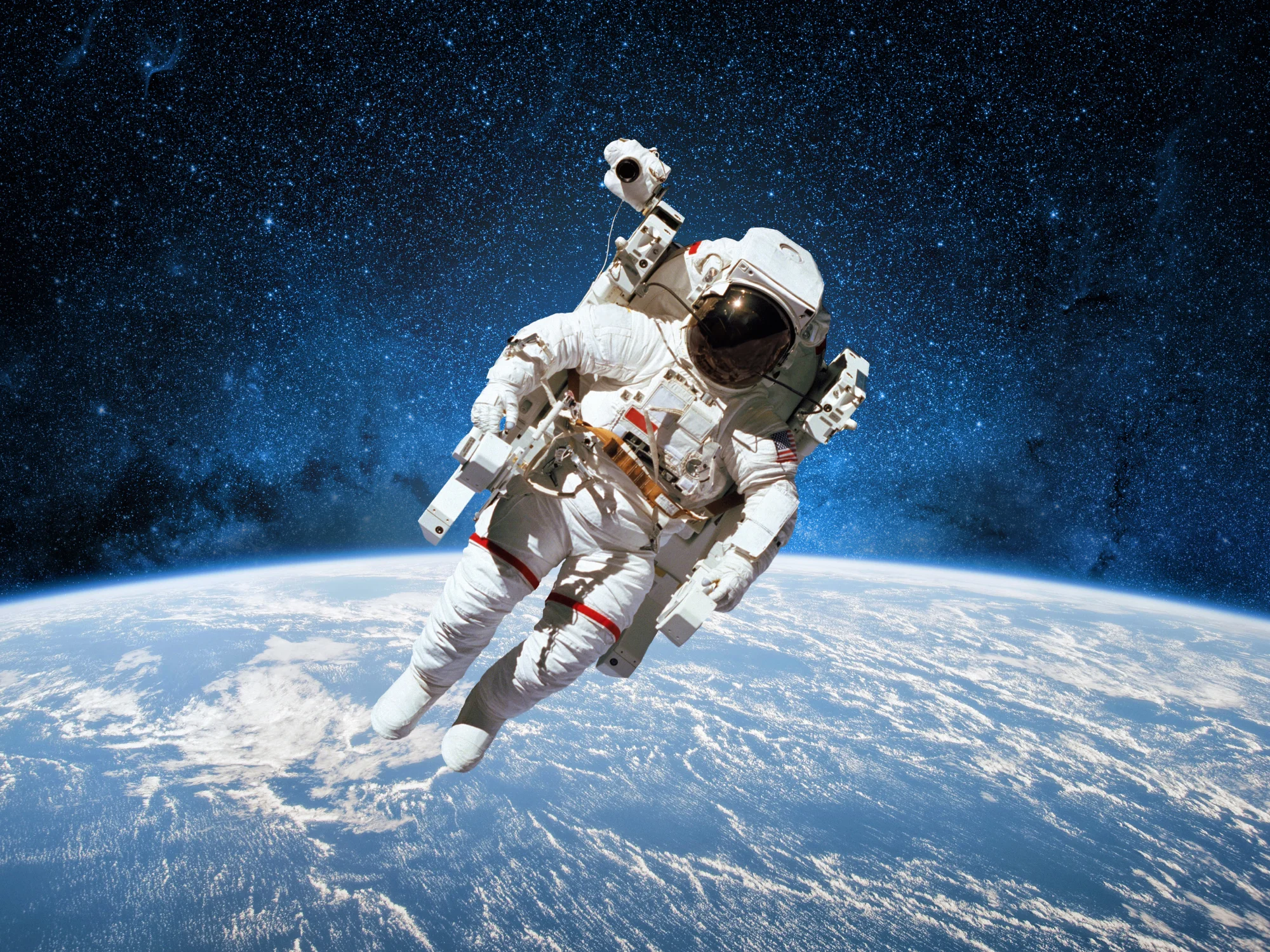
Right now, NASA is planning to send humans to Mars in the 2030s! The Artemis program will first take astronauts back to the Moon to practice for the much longer journey to Mars. Scientists are also working on ways to make fuel, water, and even breathable air from materials found on Mars itself. The goal is to build a permanent research station on Mars where astronauts can live and work while exploring this fascinating world!