Neptune
Discover amazing facts about Neptune, the windiest planet in our solar system and the most distant world from the Sun

Neptune's deep blue color comes from methane gas in its thick atmosphere
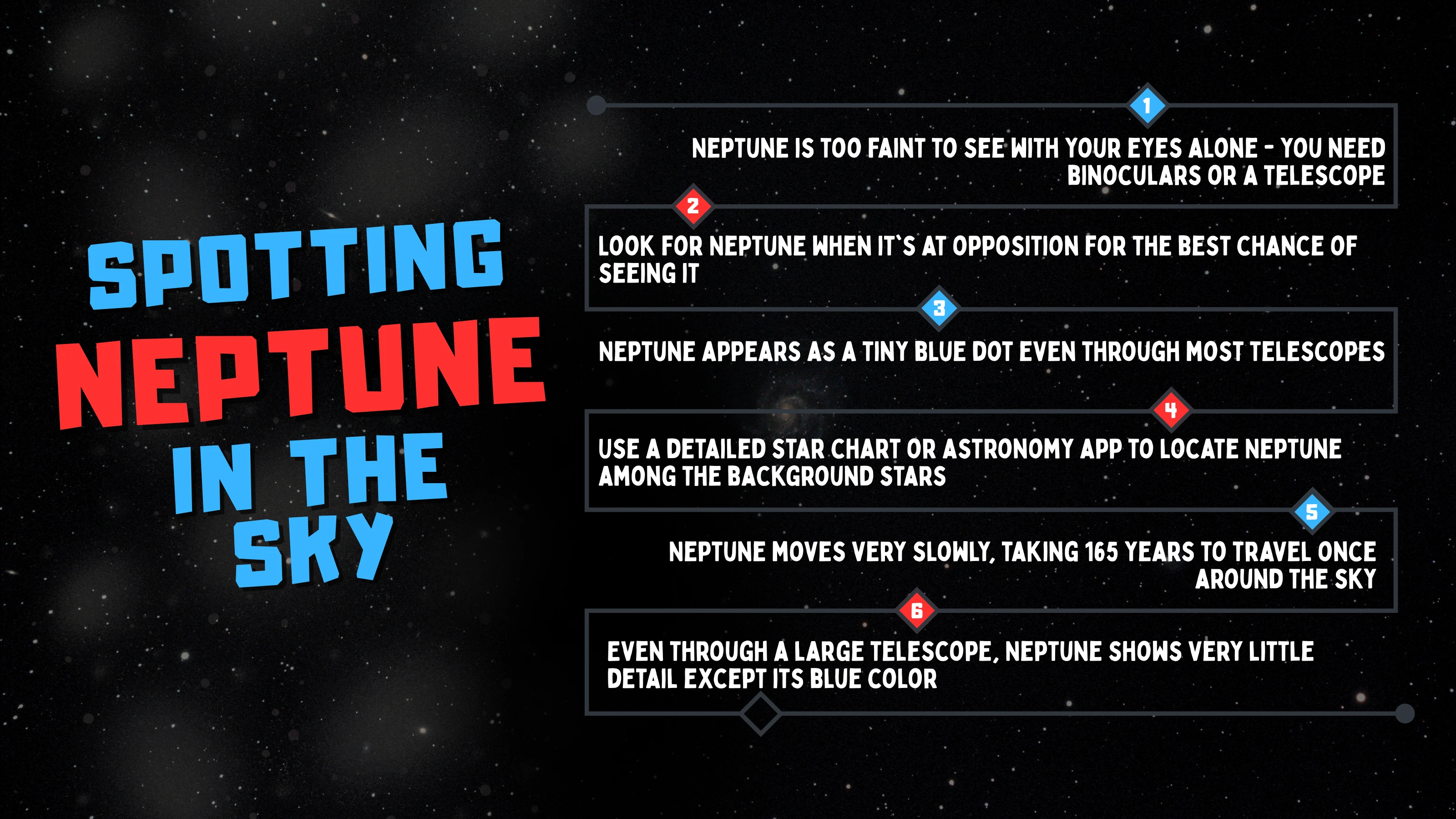
Neptune is the most distant planet from the Sun and one of the most mysterious worlds in our solar system! This beautiful blue giant is so far away that it takes sunlight over 4 hours to reach it, making Neptune an incredibly cold and dark place. Neptune is famous for having the fastest winds in the entire solar system - these super-powerful winds can blow at speeds of up to 1,200 miles per hour, which is faster than the speed of sound!
Like Uranus, Neptune is an "ice giant" made mostly of water, methane, and ammonia ices. The stunning deep blue color comes from methane gas in Neptune's atmosphere, which absorbs red light and reflects beautiful blue light back into space. Neptune is so far from the Sun that it takes 165 Earth years to complete just one orbit - that means since Neptune was discovered in 1846, it has only completed one full trip around the Sun!
Neptune holds the special honor of being the first planet discovered through mathematical predictions rather than direct observation. In the 1840s, scientists noticed that Uranus wasn't orbiting exactly where it should be, so they used math to predict there must be another planet pulling on it with gravity. When astronomers looked in the predicted location, there was Neptune! The only spacecraft ever to visit Neptune was Voyager 2, which flew by in 1989 and discovered six new moons and confirmed that Neptune has rings.
Currently, there are no specific missions planned to visit Neptune, but scientists are very interested in sending a probe there in the future. Because Neptune is so far away, any mission would take over a decade to reach it, making it one of the most challenging destinations in our solar system. Future missions could help us understand why Neptune has such incredibly fast winds and how ice giant planets like Neptune and Uranus formed billions of years ago!