Nebulae
Discover amazing facts about nebulae, the beautiful and colorful clouds of gas and dust where stars are born and die
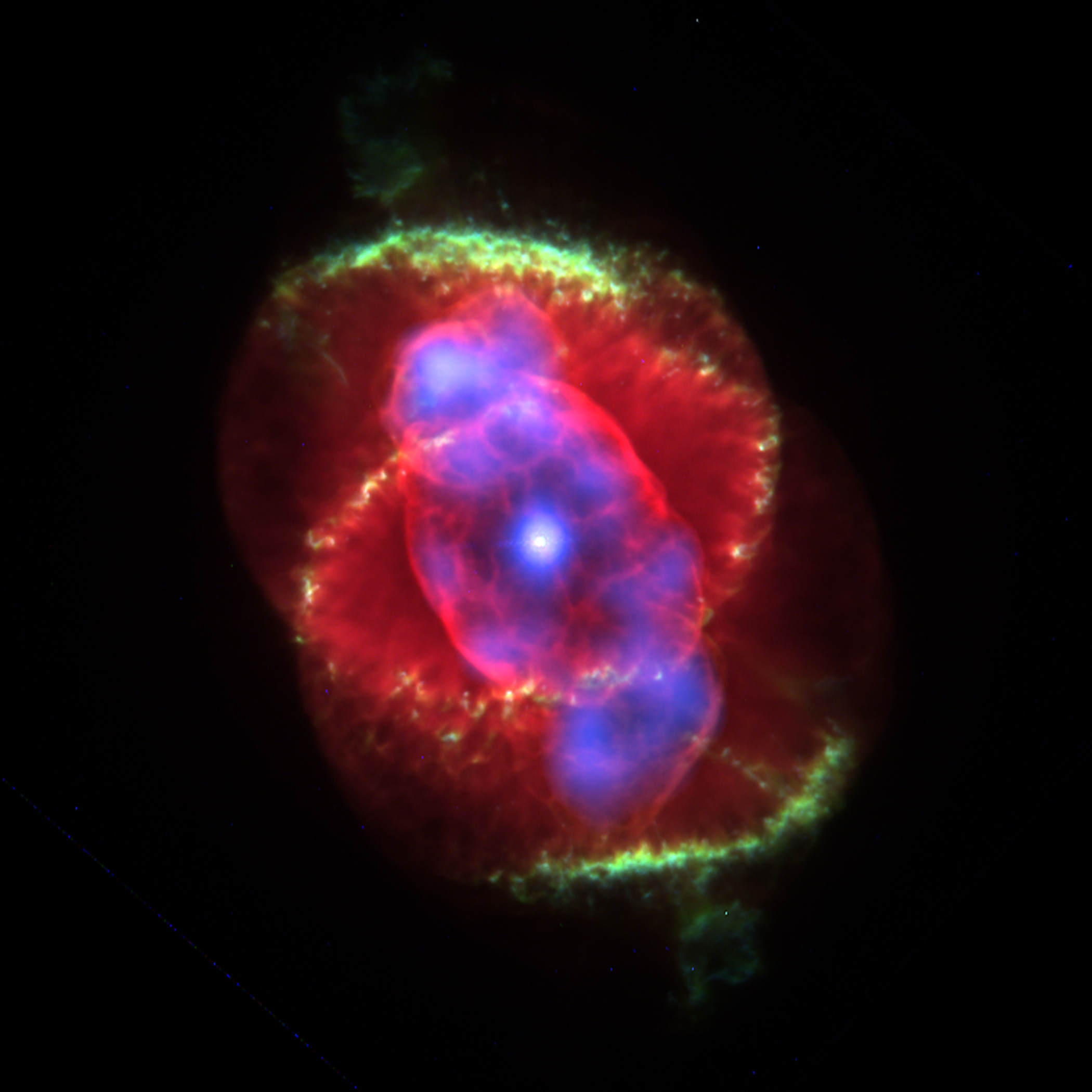
Nebulae are among the most beautiful objects in space, glowing in brilliant colors from red and blue to green and gold
PHOTOGRAPH BY J.P. Harrington and K.J. Borkowski (University of Maryland), and NASA
Nebulae are some of the most beautiful and colorful objects in our galaxy! These enormous clouds of gas and dust come in many different types and brilliant colors. The word "nebula" means "cloud" in Latin, which perfectly describes these cosmic clouds that can stretch for dozens of light-years across space. Some nebulae are stellar nurseries where new baby stars are being born, while others are created when old stars die and puff off their outer layers into space, creating spectacular cosmic art.
Different types of nebulae glow in different colors depending on what gases they contain and how they're energized. Emission nebulae glow bright red from hydrogen gas heated by nearby hot stars, while reflection nebulae appear blue because they reflect light from nearby stars through cosmic dust. Planetary nebulae (which have nothing to do with planets!) are created when dying stars blow off beautiful shells of gas in rings, bubbles, or hourglass shapes. Dark nebulae don't glow at all - they're thick clouds of dust that block the light from stars behind them, creating dark silhouettes against the starry background.