Shooting Stars
Discover amazing facts about shooting stars, the spectacular light shows created when space rocks burn up in Earth's atmosphere

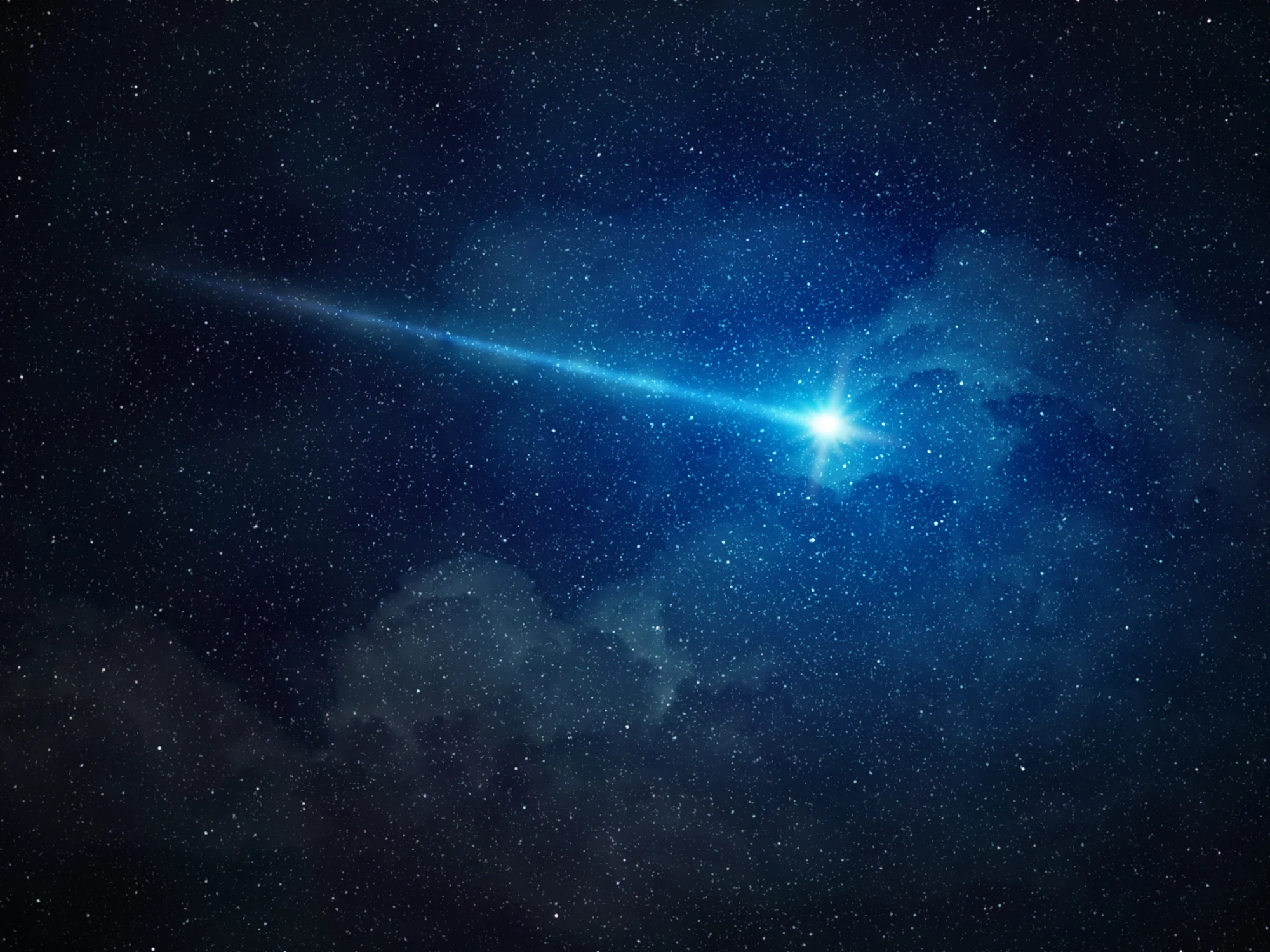
Shooting stars create brilliant streaks of light as tiny space rocks burn up in Earth's atmosphere
Shooting stars aren't actually stars at all - they're tiny pieces of space rock called meteors that create beautiful streaks of light across the night sky! When these small chunks of rock and dust (usually no bigger than a grain of sand or pebble) crash into Earth's atmosphere at incredible speeds of up to 160,000 miles per hour, they heat up so much that they glow white-hot and create those amazing "shooting star" trails we love to watch. Most meteors completely burn up before they can reach the ground, which is why we see them as brief flashes of light.
You can see shooting stars on almost any clear, dark night if you're patient and look up at the sky for a while. But the really spectacular shows happen during "meteor showers," when Earth passes through the trail of debris left behind by a comet. During these special events, you might see dozens or even hundreds of shooting stars per hour! Some of the best meteor showers include the Perseids in August and the Geminids in December. Making a wish on a shooting star is a tradition that goes back thousands of years - people have always been amazed by these sudden, beautiful lights dancing across the heavens.