Variable Stars
Discover amazing facts about variable stars, the fascinating stars that change brightness and help us measure distances across the universe

Variable stars change brightness in regular patterns, pulsating like cosmic heartbeats
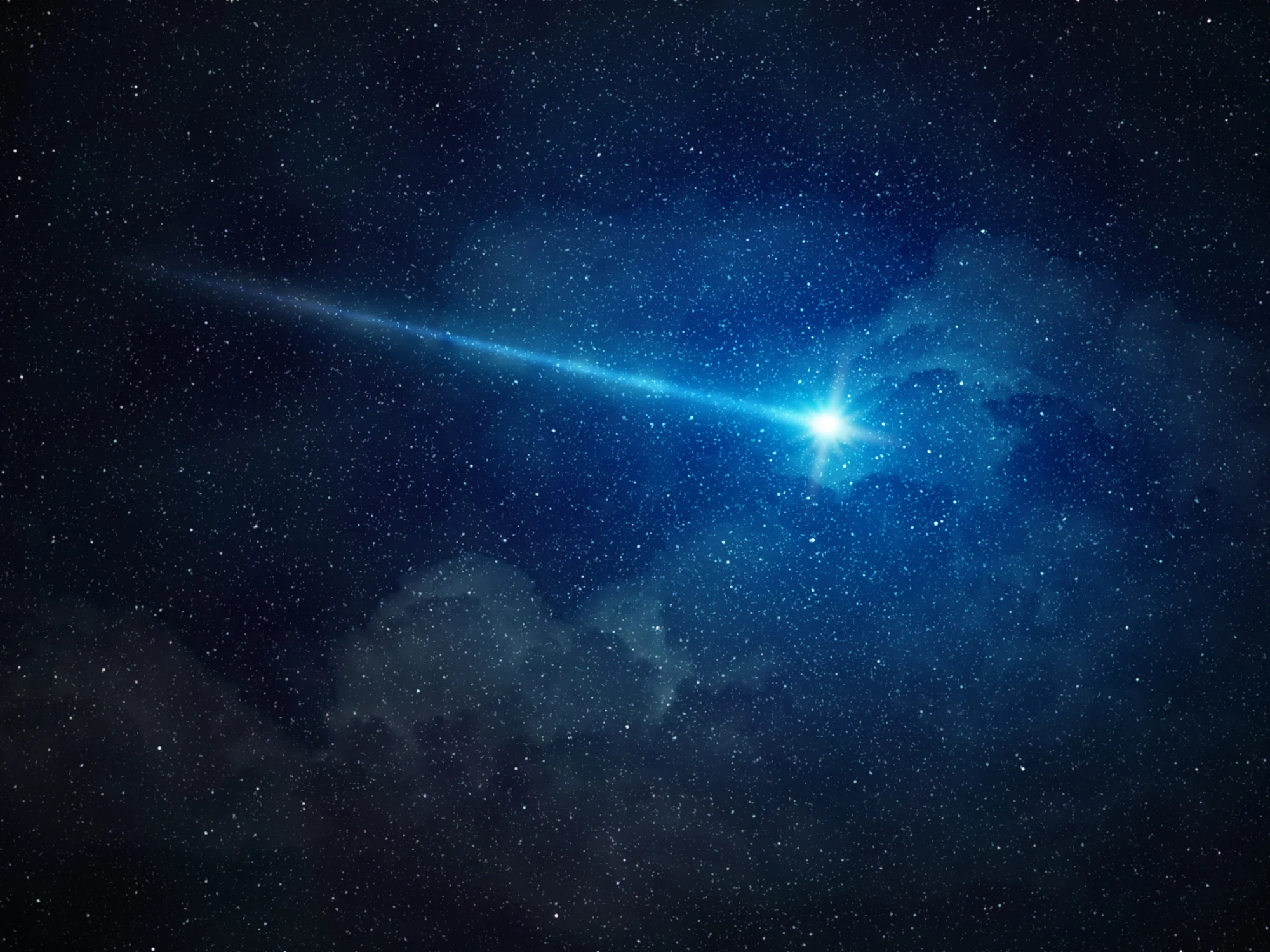
Variable stars are like the blinking lights of the galaxy - stars that change their brightness over time in predictable patterns! Unlike our steady Sun, which shines with almost constant brightness, variable stars get brighter and dimmer in regular cycles that can last anywhere from minutes to years. Some variable stars pulsate like cosmic heartbeats, growing larger and smaller as they heat up and cool down. Others are binary stars where one star passes in front of the other, causing regular eclipses that make the combined light appear to dim and brighten.
Variable stars are incredibly important to astronomers because some types, called Cepheid variables, act like "standard candles" that help us measure distances across the universe. These special stars have a direct relationship between how bright they are and how fast they pulsate - brighter Cepheids pulse more slowly than dimmer ones. By measuring how fast a Cepheid pulsates and comparing it to how bright it appears from Earth, scientists can calculate exactly how far away it is. This discovery helped us learn that other galaxies exist beyond our own Milky Way!