Bolivia

Discover the heart of South America with salt flats like mirrors, high-altitude cities, and rich indigenous culture.


Bolivian landscape showing the snow-capped Andean peaks and furry llamas

Bolivian landscape showing the snow-capped Andean peaks and furry llamas

Photo BY Alain Bonnardeaux, Unsplash

¡Bienvenidos a Bolivia! Welcome to the "Heart of South America," a country so high in the mountains that its capital city is literally the highest in the world! Bolivia is like a magical land where giant salt flats create perfect mirrors of the sky, indigenous people maintain traditions that are thousands of years old, and llamas and alpacas roam through landscapes that look like they're from another planet. This amazing landlocked country has two capital cities and contains some of the most spectacular and otherworldly scenery in all of South America.

Bolivia declared independence from Spain on August 6, 1825, and was named after Simón Bolívar, the great liberator of South America. Originally called "Upper Peru," the new nation chose to honor Bolívar even though he preferred the name "Republic of Sucre." Bolivia is unique in having two capital cities - Sucre is the constitutional capital where the Supreme Court sits, while La Paz is the administrative capital where the government operates and, at 11,975 feet above sea level, is the highest capital city in the world!

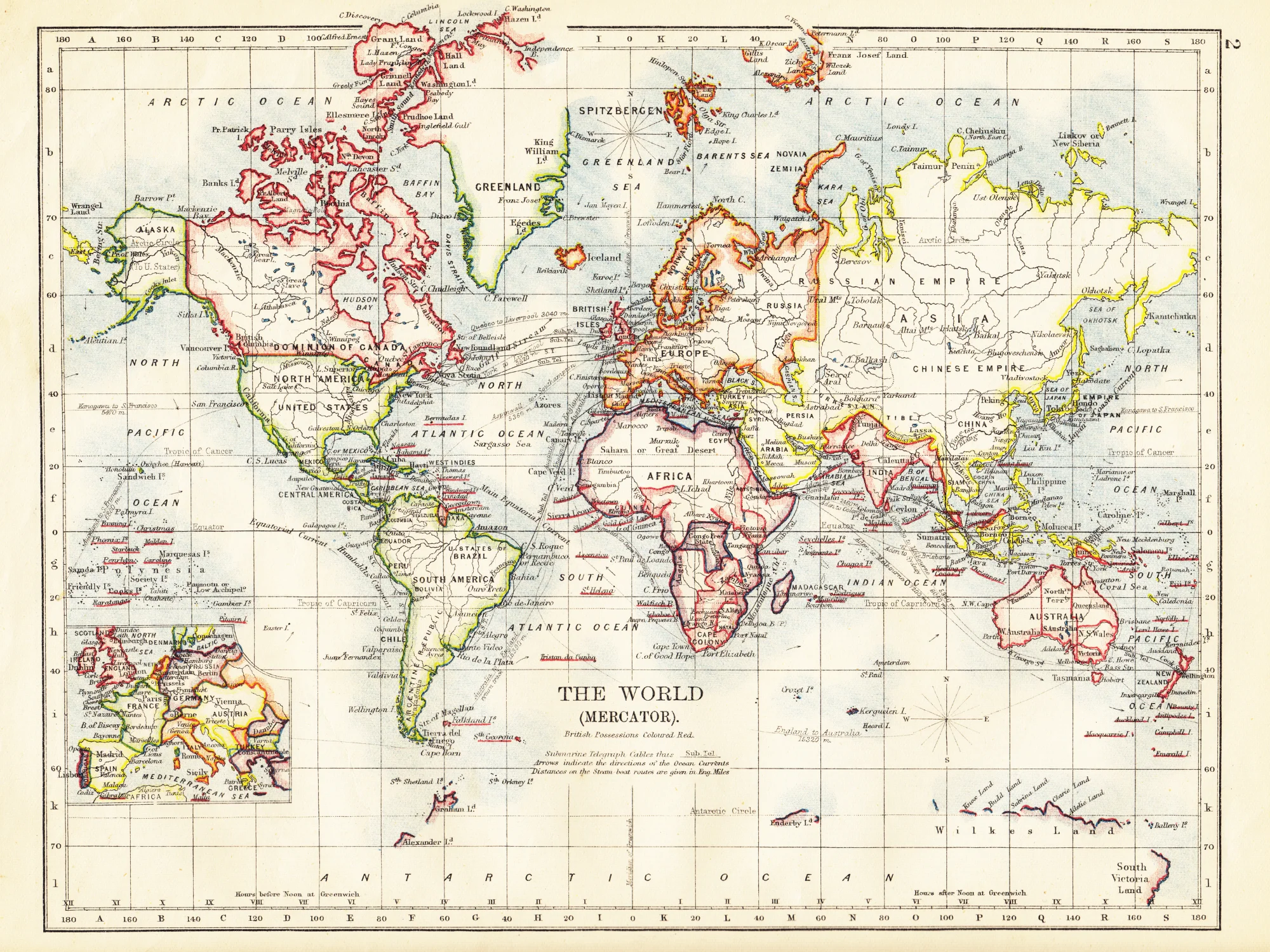
Map of Bolivia

Map of Bolivia showing its 9 departments, both capital cities (La Paz and Sucre), Salar de Uyuni salt flats, and landlocked position surrounded by five countries. Image Credit: BrankoMarinovic99, Unsplash

Bolivian FlagKantuta FlowerAndean CondorBoliviano Currency
Bolivian national symbols: red, yellow, and green flag, kantuta flower, Andean condor, and boliviano currency featuring indigenous heritage and natural landmarks. Image Credits (from top left to bottom right): 9BBWMJ, Wikimedia Commons; Ghiz~commonswiki, Wikimedia Commons; Thomas Fuhrmann, Wikimedia Commons; Grullab, Wikimedia Commons

BOLIVIA FACTS
INDEPENDENCE: August 6, 1825 (199 years ago)
POPULATION: About 12.2 million people
CAPITALS: La Paz (administrative) and Sucre (constitutional)
DEPARTMENTS: 9 departments
BIGGEST CITY: Santa Cruz (1.4 million people)
NATIONAL BIRD: Andean Condor
NATIONAL FLOWER: Kantuta

History and Geography
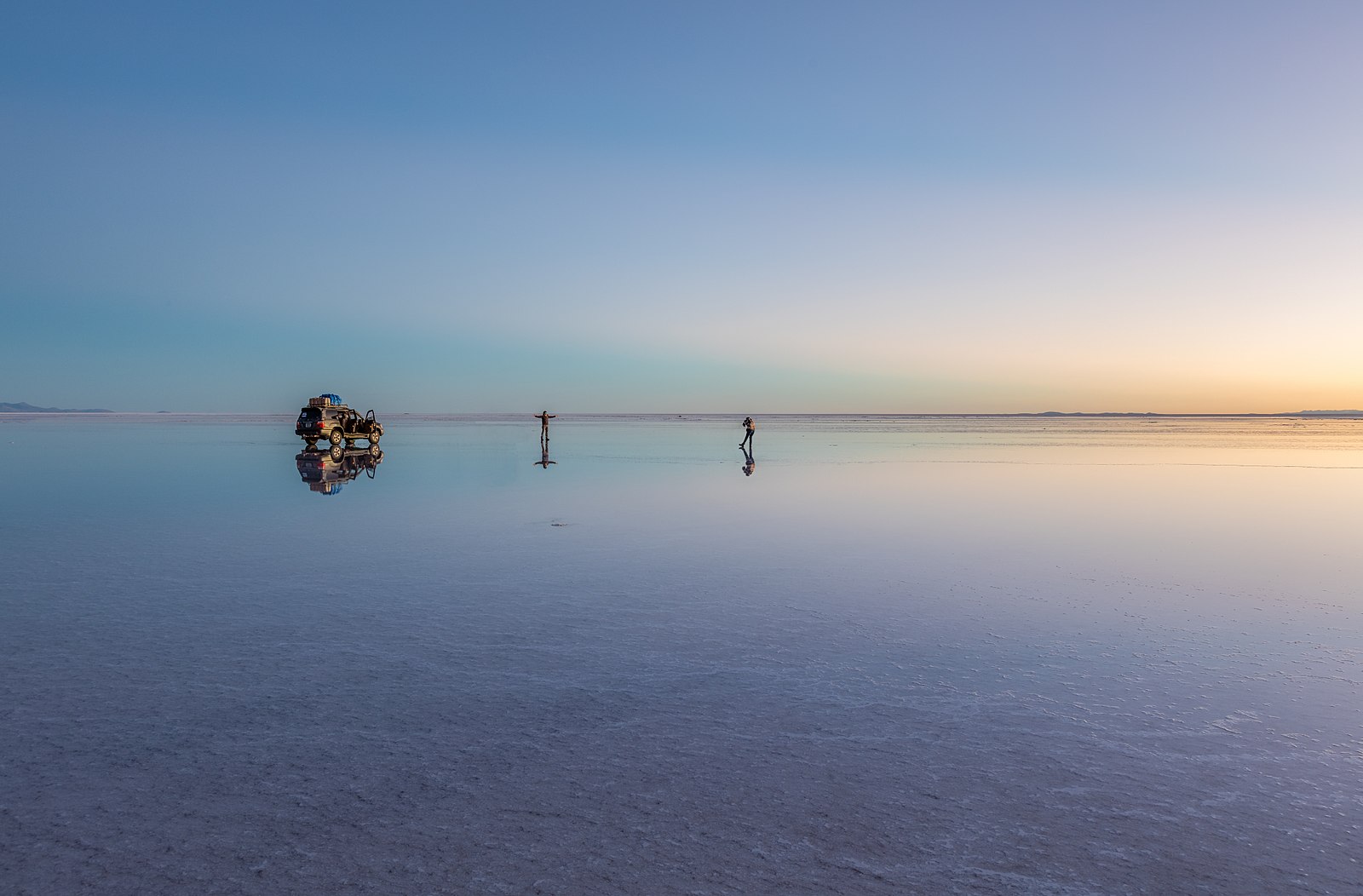
Bolivia is one of only two landlocked countries in South America and has incredibly diverse geography despite having no coastline! The western part of the country sits on the Altiplano (high plateau) between two chains of the Andes Mountains, where you'll find the amazing Salar de Uyuni - the world's largest salt flat that becomes a perfect mirror when covered with a thin layer of water. The eastern part has tropical lowlands and Amazon rainforest, creating a country with both the highest and lowest elevations in South America.

Salar de Uyuni salt flatsLake TiticacaAndean PeaksTropical Eastern Lowlands
Bolivia's diverse geography: mirror-like Salar de Uyuni salt flats, high-altitude Lake Titicaca with traditional boats, snow-capped Andean peaks, and tropical eastern lowlands. Image Credits (from top left to bottom right): Diego Delso, Wikimedia Commons; Anthony Lacoste, Wikimedia Commons; revolution cycle, Wikimedia Commons; CIAT, Wikimedia Commons

Amazing Wildlife

Bolivia's diverse elevations create unique habitats for incredible wildlife! Pink flamingos gather by the thousands in high-altitude salt lakes, while vicuñas (wild relatives of llamas) graze on the altiplano grasslands. The country is home to spectacled bears, jaguars in the eastern forests, and over 1,400 bird species including the majestic Andean condor. The chinchilla, famous for its incredibly soft fur, is native to Bolivia's mountains.

Pink FlamingosVicuñasSpectacled BearsChinchillas
Bolivia's amazing animals: pink flamingos in high-altitude salt lakes, vicuñas grazing on altiplano grasslands, spectacled bears in cloud forests, and chinchillas in rocky mountain areas. Image Credits (from top left to bottom right): Pedro Szekely, Wikimedia Commons; Bob Ramsak, Wikimedia Commons; Anil Öztas, Wikimedia Commons; Jon Gudorf Photography, Wikimedia Commons

Natural Resources

Bolivia has some of the world's largest lithium deposits in the Salar de Uyuni salt flats - lithium is essential for making batteries for phones, cars, and computers! The country also has significant natural gas reserves, silver mines (the historic Potosí mine was once the source of much of the world's silver), and tin deposits. The diverse climates allow Bolivia to grow everything from quinoa on the altiplano to tropical fruits in the lowlands.

Lithium ExtractionQuinoa Farming
Bolivia's mineral wealth: lithium extraction operations in Salar de Uyuni salt flats and traditional quinoa farming on high-altitude altiplano. Image Credits (from left to right): Pierre Markuse, Wikimedia Commons; Michael Hermann, Wikimedia Commons

HIGH-ALTITUDE BOLIVIA FACTS
La Paz is so high that visitors often need time to adjust to the thin air and some people get altitude sickness
The Salar de Uyuni is so flat it's used by satellites to calibrate their instruments from space
Bolivia has more indigenous people (as a percentage) than any other South American country
Lake Titicaca, shared with Peru, is the highest navigable lake in the world at 12,507 feet above sea level

Bolivia truly is South America's most unique landlocked treasure, where ancient indigenous cultures thrive at incredible altitudes and salt flats create some of the most otherworldly landscapes on our planet!