Botswana

Discover the diamond of Africa with the Okavango Delta, Kalahari Desert, and incredible wildlife conservation success.


Botswana landscape showing the vast Kalahari Desert

Botswana landscape showing the vast Kalahari Desert

Photo BY Winfried Bruenken (Amrum), Wikimedia Commons

Dumela! Welcome to the "Diamond of Africa," a country that transformed itself from one of the world's poorest to one of Africa's most prosperous through wise leadership and diamond wealth! Botswana is like nature's greatest success story, where the Okavango Delta creates a water wonderland in the middle of the Kalahari Desert, where massive elephant herds roam protected wilderness areas, and where careful management has made wildlife conservation a model for the world. This amazing landlocked country shows how natural resources can be used wisely to benefit both people and wildlife.

Botswana gained independence from Britain on September 30, 1966, and was originally called the Bechuanaland Protectorate. The name "Botswana" means "land of the Tswana people," the largest ethnic group in the country. At independence, Botswana was one of the world's poorest countries, but the discovery of diamonds in 1967 and excellent leadership transformed it into one of Africa's most stable and prosperous democracies.

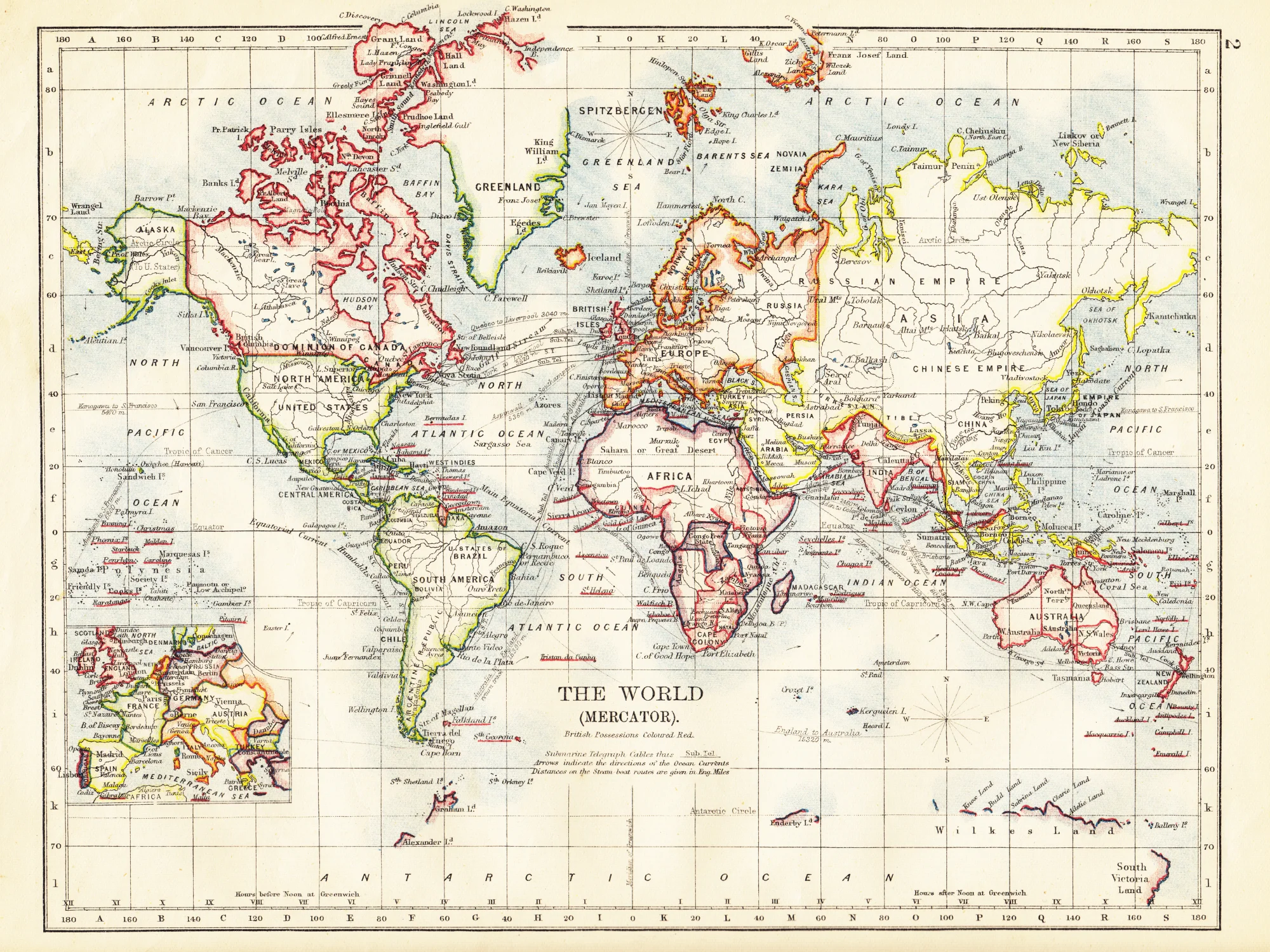
Map of Botswana

Map of Botswana showing the Okavango Delta, Kalahari Desert, major game reserves, diamond mining areas, and landlocked position in southern Africa. Image Credit: NordNordWest, Wikimedia Commons
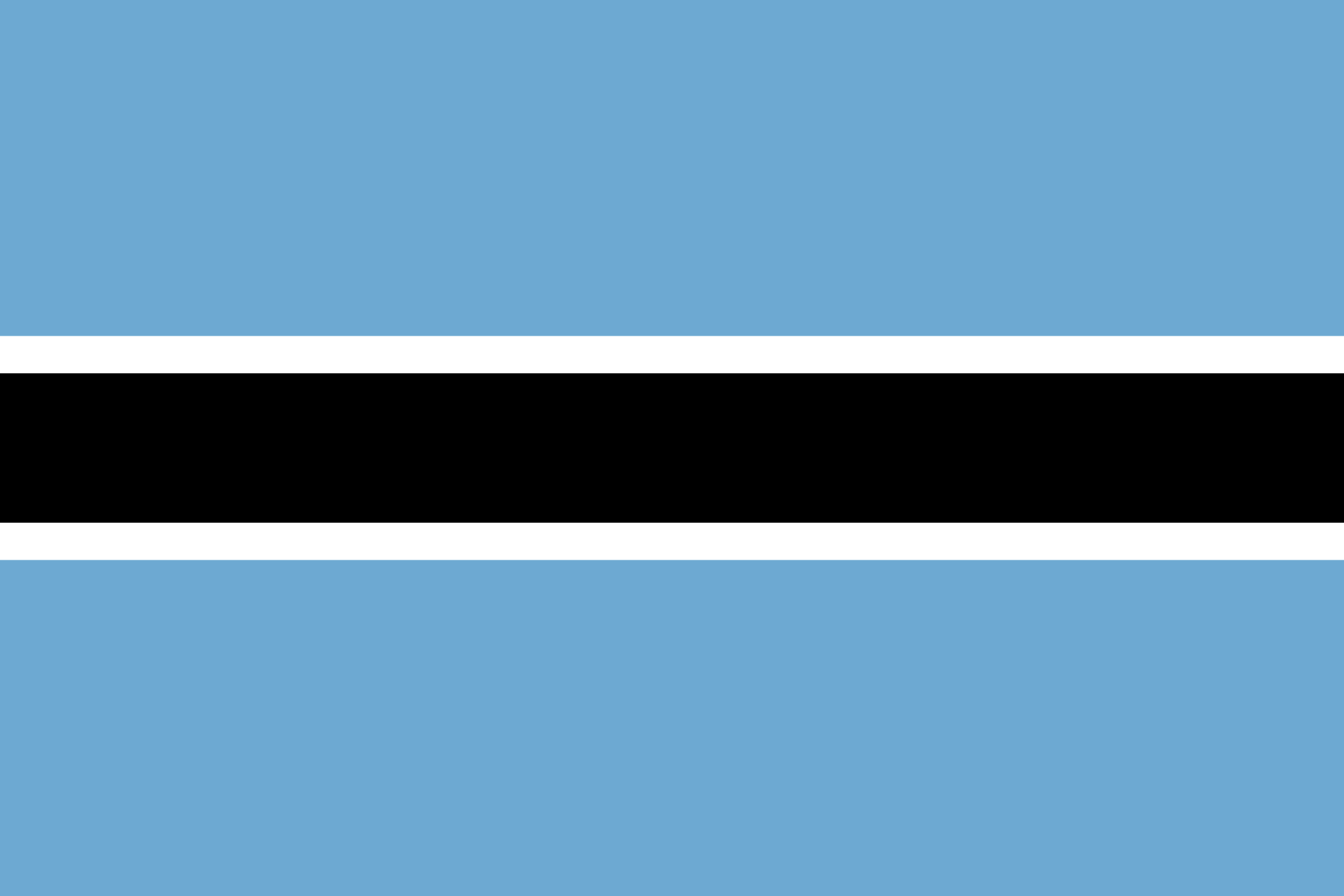
Botswanan FlagBaobab TreeKori BustardPula Currency
Botswana national symbols: light blue, black, and white flag, baobab tree, kori bustard, and pula currency named after the precious word for "rain". Image Credits (from top left to bottom right): SKopp & Gabbe & Madden, Wikimedia Commons; Graphic Node, Unsplash; Charles J. Sharp, Wikimedia Commons; Eric Chan, Flickr

BOTSWANA FACTS
INDEPENDENCE: September 30, 1966 (58 years ago)
POPULATION: About 2.4 million people
CAPITAL: Gaborone
DISTRICTS: 10 districts plus 4 towns
BIGGEST CITY: Gaborone (250,000 people)
NATIONAL BIRD: Kori Bustard
NATIONAL FLOWER: None official

History and Geography
Botswana is famous for the Okavango Delta, one of the world's largest inland deltas where the Okavango River spreads into thousands of channels, lagoons, and islands in the middle of the Kalahari Desert, creating an incredible oasis for wildlife! About 70% of the country is covered by the Kalahari Desert, but it's not like the Sahara - it has grasslands, scattered trees, and seasonal rains that support amazing wildlife. The country has set aside 38% of its land for wildlife conservation, more than almost any other country.

Okavango Delta channelsKalahari DesertSalt Pans of MakgadikgadiRocky Outcrops (Tsodilo Hills)
Botswana's contrasting geography: lush Okavango Delta channels with mokoro canoes, vast Kalahari Desert grasslands, salt pans of Makgadikgadi, and rocky outcrops dotting the landscape. Image Credits (from top left to bottom right): Diego Delso, Wikimedia Commons; Chris Stenger, Wikimedia Commons; Diego Delso, Wikimedia Commons; Joachim Huber, Wikimedia Commons

Amazing Wildlife

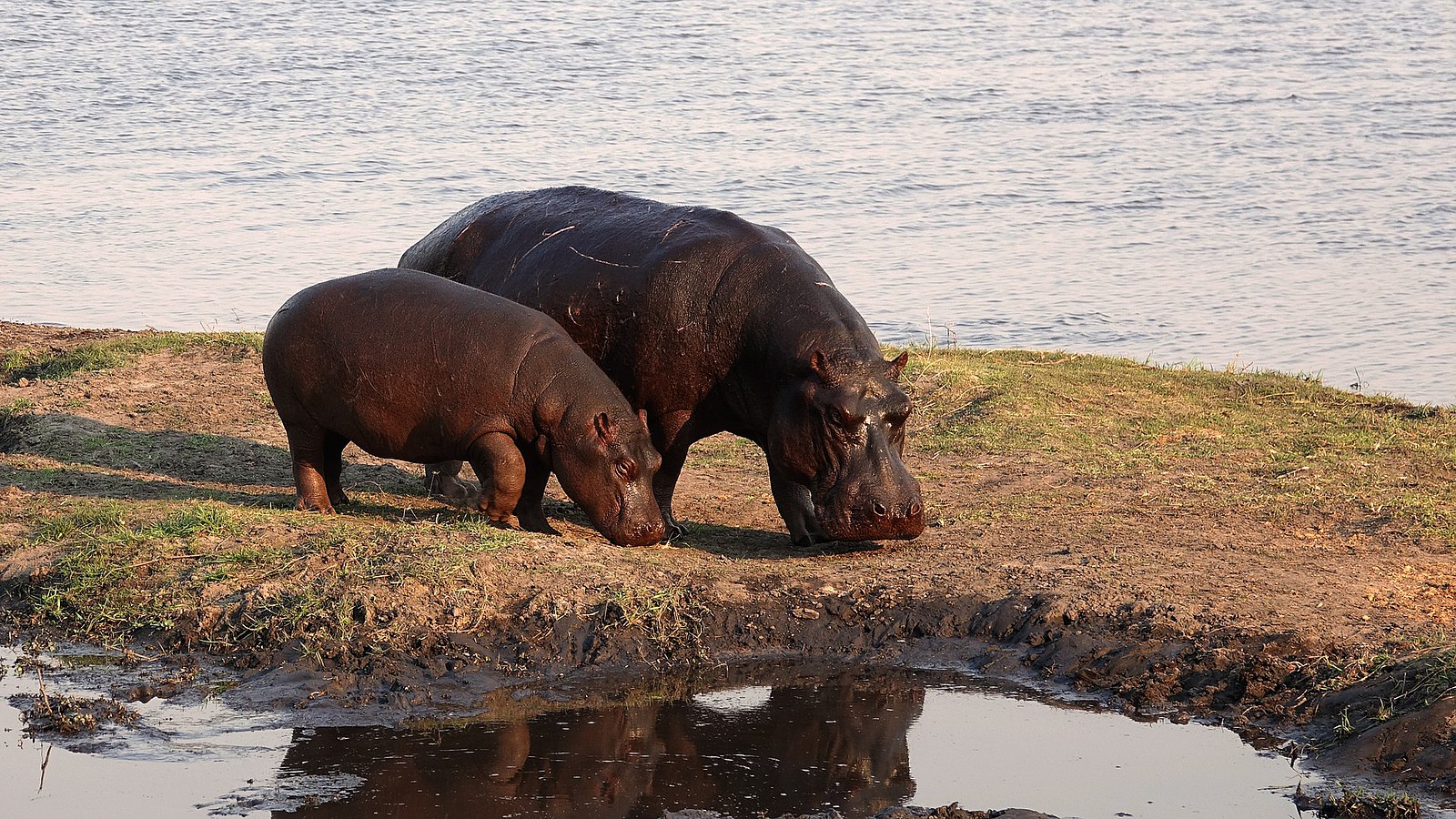
The impressive kori bustard is Africa's heaviest flying bird and Botswana's national bird, capable of weighing up to 40 pounds! Botswana has the world's largest population of elephants (about 130,000), plus huge herds of buffalo, zebras, and antelopes. The Okavango Delta is home to hippos, crocodiles, and over 450 bird species, while the Kalahari supports meerkats, brown hyenas, and the famous Kalahari lions with darker manes. The country's conservation success has made wildlife populations thrive.
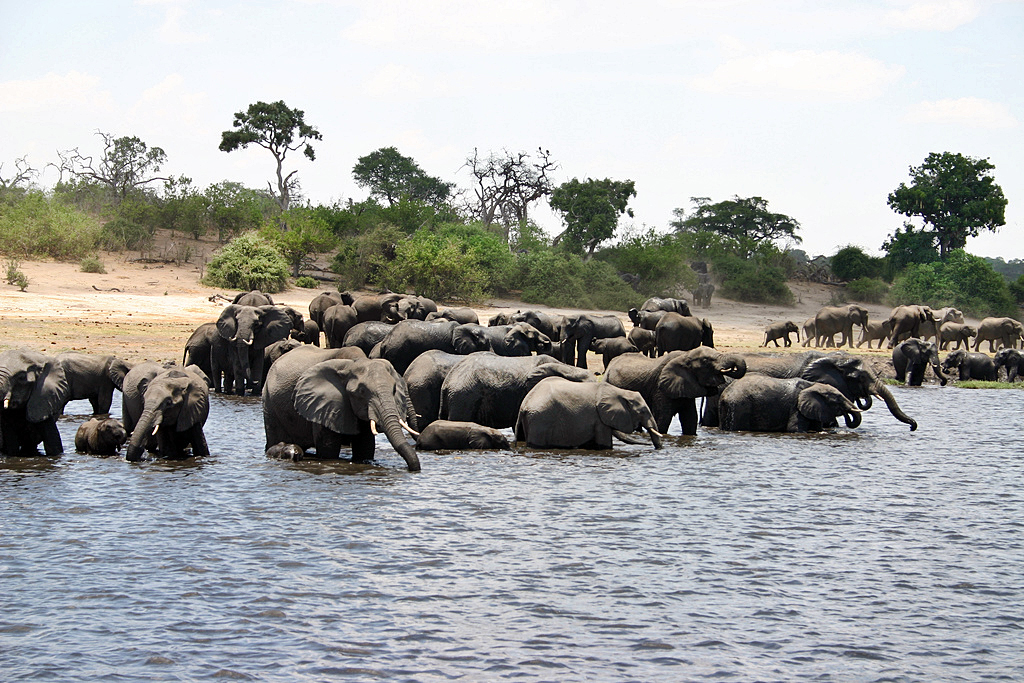
Kori BustardsElephant HerdsMeerkatsHippos
Botswana's abundant animals: massive kori bustards in grasslands, huge elephant herds at Chobe River, playful meerkats standing guard in Kalahari, and hippos wallowing in Okavango Delta waters. Image Credits (from top left to bottom right): Charles J. Sharp, Wikimedia Commons; i_pinz, Wikimedia Commons; Diego Delso, Wikimedia Commons; safaritravelplus, Wikimedia Commons

Natural Resources

Botswana produces about 20% of the world's diamonds and is the second-largest diamond producer globally! The country has used diamond wealth wisely to build schools, hospitals, and infrastructure while maintaining one of Africa's most stable democracies. Botswana also has copper and nickel deposits, plus excellent cattle ranching on Kalahari grasslands. The spectacular wildlife and landscapes make tourism increasingly important to the economy.

Diamond Mining OperationsCattle Ranching
Botswana's sparkling wealth: modern diamond mining operations providing precious gems and traditional cattle ranching on vast Kalahari grasslands. Image Credits (from left to right): Cretep, Wikimedia Commons; Oratile Leipego, Wikimedia Commons

SHINING BOTSWANA FACTS
Botswana transformed from one of the world's poorest countries to upper-middle income in just 50 years through wise leadership
The country has the world's largest elephant population and has become a model for wildlife conservation
Botswana's currency is called "pula" meaning "rain" because water is so precious in this mostly desert country
The Okavango Delta is the 1000th UNESCO World Heritage Site and one of the Seven Natural Wonders of Africa

Botswana truly is Africa's conservation diamond, where wise leadership has turned natural wealth into prosperity for people and protection for wildlife, creating a shining example of how a country can develop while preserving its natural heritage!