Chile

Explore the long, narrow country with the driest desert, tallest mountains, and mysterious Easter Island statues.


 Chilean landscape showing the dramatic and breathtaking snow-capped Andes Mountains

Chilean landscape showing the dramatic and breathtaking snow-capped Andes Mountains

Photo BY Olga Stalska, Unsplash

¡Bienvenidos a Chile! Welcome to the most unusually shaped country in the world - so long and narrow it's like a giant ribbon stretching down the entire western coast of South America! Chile is like nature's laboratory of extremes, containing the driest desert on Earth (the Atacama), some of the tallest mountains in the world (the Andes), mysterious giant stone statues on Easter Island, and even a piece of Antarctica. This incredible country is only 110 miles wide on average but stretches over 2,600 miles from north to south!

Chile declared independence from Spain on September 18, 1810, after a long struggle led by heroes like Bernardo O'Higgins. The name "Chile" possibly comes from the indigenous Mapuche word "chili," meaning "where the land ends," or from the Quechua word "chiri," meaning "cold." Both names make sense since Chile stretches to the end of South America and has snow-capped mountains along its entire length!

Map of Chile

Map of Chile showing its 16 regions, extreme length from Atacama Desert to Patagonia, Easter Island, and the narrow strip between Andes and Pacific Ocean. Image Credit: NordNordWest, Wikimedia Commons
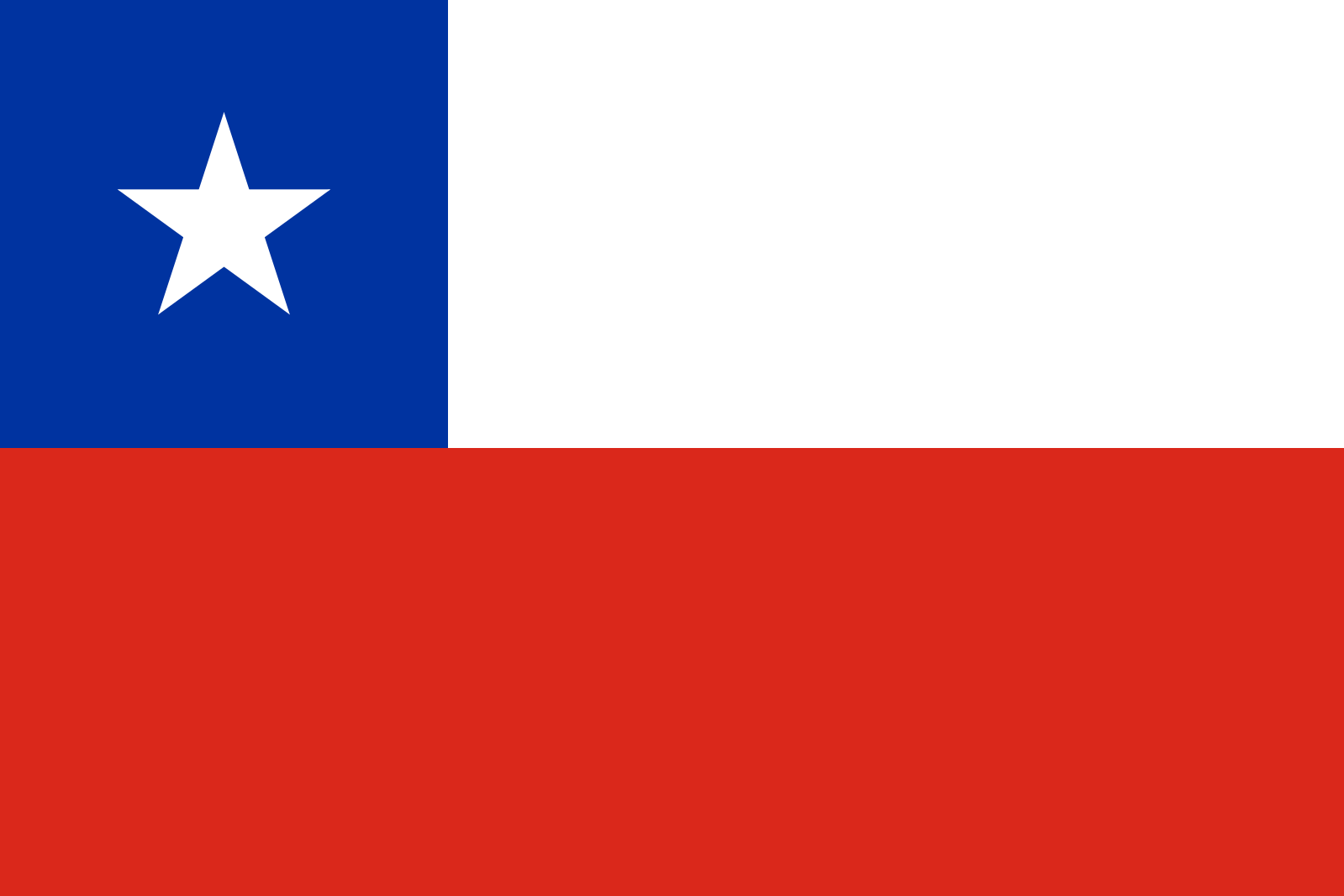
Chilean FlagAraucaria TreeAndean CondorPeso Chileno Currency
Chilean national symbols: blue, white, and red flag with lone star, araucaria tree, Andean condor, and peso chileno featuring national heroes and landscapes. Image Credits (from top left to bottom right): SVG flag maker, Wikimedia Commons; Rjcastillo, Wikimedia Commons; Thomas Fuhrmann, Wikimedia Commons; thisfeministrox, Flickr

CHILE FACTS
INDEPENDENCE: September 18, 1810 (214 years ago)
POPULATION: About 19.6 million people
CAPITAL: Santiago
REGIONS: 16 regions
BIGGEST CITY: Santiago (5.6 million people)
NATIONAL BIRD: Andean Condor
NATIONAL FLOWER: Copihue (Chilean Bellflower)
Info box image

History and Geography
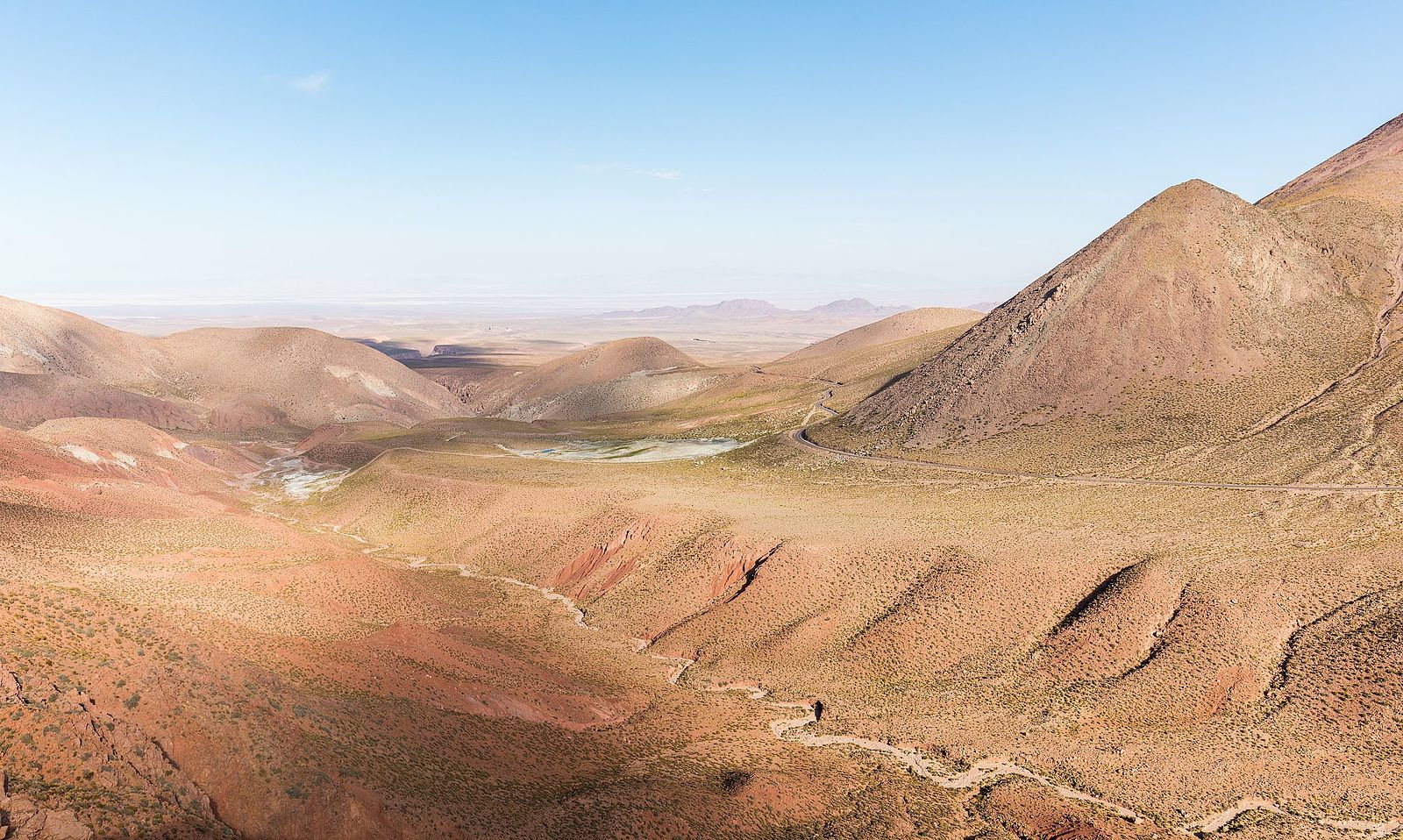
Chile has the most extreme geography in the world! The country is squeezed between the Pacific Ocean and the towering Andes Mountains, creating four distinct climate zones: the Atacama Desert in the north (where some weather stations have never recorded rainfall!), the Mediterranean central valley where most people live, the temperate rainforests in the south, and the subantarctic region with glaciers and fjords. Chile also owns Easter Island (Rapa Nui) with its mysterious giant stone statues called Moai, located 2,300 miles off the coast in the Pacific Ocean.

Atacama DesertAndes PeaksEaster Island Moai StatuesPatagonian glacial fjords
Chile's extreme geography: otherworldly Atacama Desert landscapes, snow-capped Andes peaks, mysterious Easter Island Moai statues, and Patagonian glacial fjords. Image Credits (from top left to bottom right): Diego Delso, Wikimedia Commons; Jorge Láscar, Wikimedia Commons; TravelingOtter, Wikimedia Commons; ELB.SKY, Wikimedia Commons

Amazing Wildlife

The magnificent Andean condor with its 10-foot wingspan is Chile's national bird and can soar for hours without flapping its wings! Chile's extreme environments support unique wildlife - vicuñas (wild relatives of alpacas) live in the high Andes, flamingos gather in salt lakes in the Atacama Desert, Humboldt penguins nest along the coast, and pumas hunt in Patagonia. The country also has unique plants like the ancient araucaria trees that can live for over 1,000 years.

Andean CondorPink FlamingosHumboldt penguinsVicuñas
Chile's diverse animals: Andean condors soaring over mountain peaks, pink flamingos in Atacama salt lakes, Humboldt penguins on rocky coastlines, and vicuñas grazing in high Andean meadows. Image Credits (from top left to bottom right): Thomas Fuhrmann, Wikimedia Commons; Pedro Szekely, Wikimedia Commons; Johannes Maximilian, Wikimedia Commons; kallerna, Wikimedia Commons

Natural Resources

Chile produces more copper than any other country in the world - about one-third of all the copper used globally! The Atacama Desert contains huge copper mines and also has the world's largest lithium deposits (used in phone and car batteries). Chile is also famous for excellent wine grown in its central valleys, plus fruits that are exported worldwide when it's winter in the northern hemisphere but summer in Chile.

Copper MinesVineyards
Chile's mineral wealth: massive copper mining operations in the Atacama Desert and world-renowned wine vineyards in the central valleys*. Image Credits (from left to right): Diego Delso (delso.photo), Wikimedia Commons; Güldem Üstün, Wikimedia Commons

EXTREME CHILE FACTS
Chile is 30 times longer than it is wide making it the most unusually shaped country in the world
The Atacama Desert is so dry that parts of it are used by NASA to test Mars rovers because it's like another planet
Some areas of the Atacama Desert haven't received rainfall in over 400 years making it the driest place on Earth
Chile controls a piece of Antarctica and claims more Antarctic territory than any other country

Chile truly is South America's most extreme country, where you can experience the driest desert and wettest rainforest, the tallest mountains and deepest ocean, all within one amazingly diverse nation!