Dominican Republic

Explore the Caribbean nation that shares an island with Haiti, famous for baseball, merengue music, and beautiful resorts.


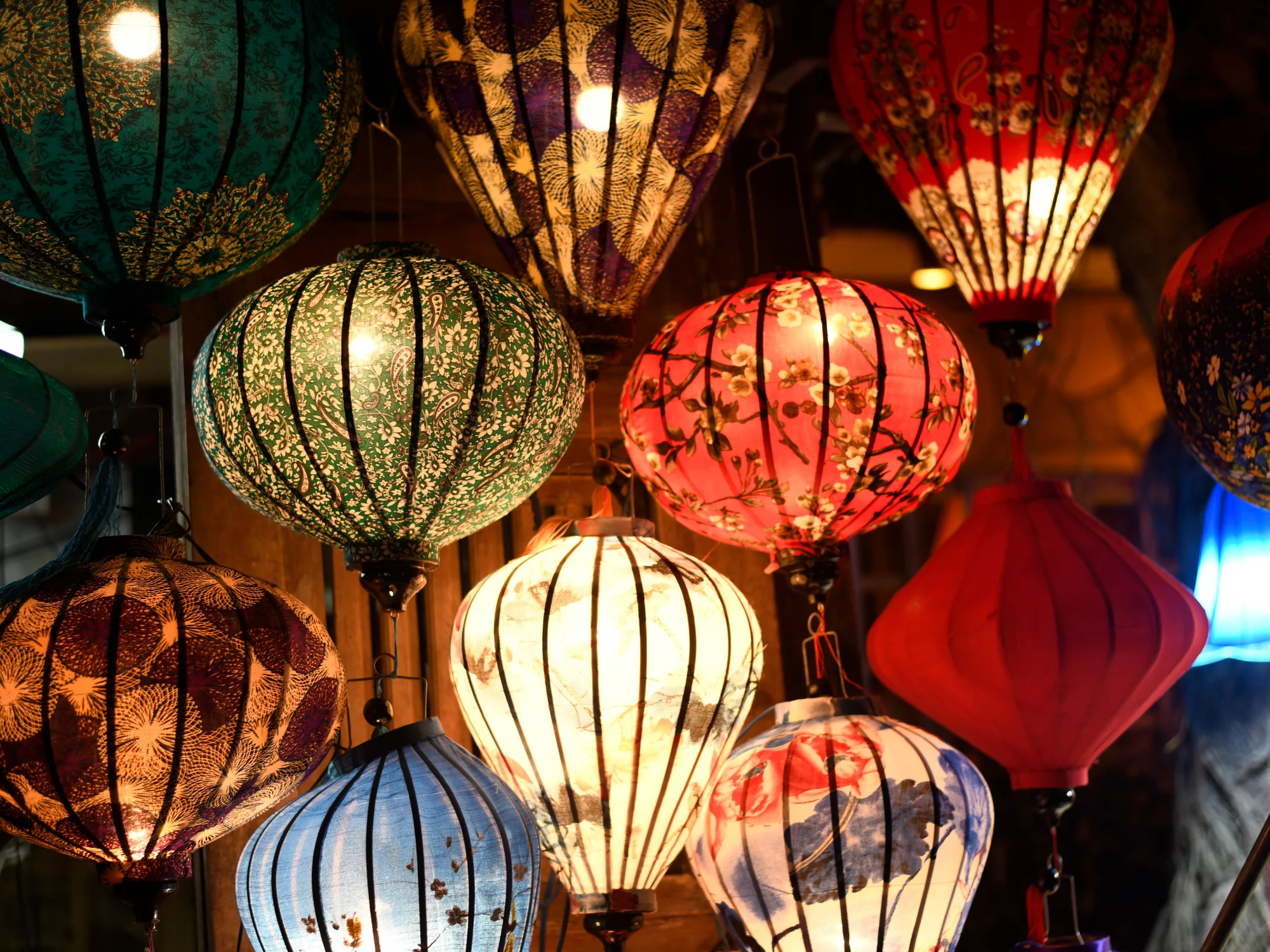
Dominican culture with merengue dancers in colorful dresses, baseball players, and artisans creating traditional crafts

Dominican culture with merengue dancers in colorful dresses, baseball players, and artisans creating traditional crafts

Photo BY Yi Wei, Unsplash

¡Bienvenidos a Quisqueya! Welcome to the heart of the Caribbean, where baseball diamonds meet pristine beaches and merengue rhythms make everyone want to dance! The Dominican Republic is like the Caribbean's happiest neighbor, sharing the beautiful island of Hispaniola with Haiti while creating its own unique culture of warm hospitality, incredible music, and world-class baseball players. This amazing country has something for everyone - from the oldest European city in the Americas to some of the most beautiful beaches in the world!

The Dominican Republic declared its independence from Haiti on February 27, 1844, after 22 years of Haitian rule, making it one of the few countries to gain independence from another Caribbean nation rather than a European power. The name comes from "Santo Domingo," which means "Holy Sunday," named by Christopher Columbus when he arrived on a Sunday in 1492. The indigenous Taíno people called the island "Quisqueya," meaning "mother of all lands."

Map of Dominican Republic

Map of the Dominican Republic showing its 32 provinces, major cities, and shared border with Haiti on Hispaniola island. Image Credit: Cacahuate/Mfa88, Wikimedia Commons

Dominican FlagMahogany TreePalmchat BirdDominican Republic One Peso Coin
Dominican national symbols: red, white, and blue flag with coat of arms, mahogany tree, palmchat bird, and peso dominicano featuring national landmarks. Image Credits (from top left to bottom right): Juan Pablo Duarte, Wikimedia Commons; Achiri Bitamsimli, Wikimedia Commons; Ron Knight, Wikimedia Commons; Guillermo2312, Wikimedia Commons

DOMINICAN REPUBLIC FACTS
INDEPENDENCE: February 27, 1844 (180 years ago)
POPULATION: About 11.1 million people
CAPITAL: Santo Domingo
PROVINCES: 32 provinces
BIGGEST CITY: Santo Domingo (2.9 million people)
NATIONAL BIRD: Palmchat (Cigua Palmera)
NATIONAL FLOWER: Bayahibe Rose

History and Geography
The Dominican Republic is home to many "firsts" in the Americas - the first European settlement, the first cathedral, and the first university! The country occupies about two-thirds of Hispaniola island and has incredibly diverse geography for its size. From the Caribbean's highest mountain (Pico Duarte at 10,417 feet) to the lowest point (Lake Enriquillo below sea level), plus beautiful beaches on both the Atlantic and Caribbean coasts, four mountain ranges, and fertile valleys perfect for growing crops.

Pico DuarteLake EnriquilloSaona Island BeachLos Haitises Mangrove Forests
Dominican Republic's varied landscapes: Pico Duarte, Lake Enriquillo with flamingos and iguanas, Saona Island's pristine beaches, and Los Haitises mangrove forests. Image Credits (from top left to bottom right): jvg19, Wikimedia Commons; Juan Alberto Silver, Wikimedia Commons; Danu Widjajanto, Wikimedia Commons; Starus, Wikimedia Commons

Amazing Wildlife

The Dominican Republic is a wildlife paradise! The palmchat, found only on Hispaniola, builds huge communal nests that can house over 30 families. The country is famous for humpback whale watching - thousands of whales visit Samaná Bay each winter to mate and give birth. You can also find American crocodiles, rhinoceros iguanas, colorful hutías (tree rats), and over 300 bird species including beautiful trogons and hummingbirds.
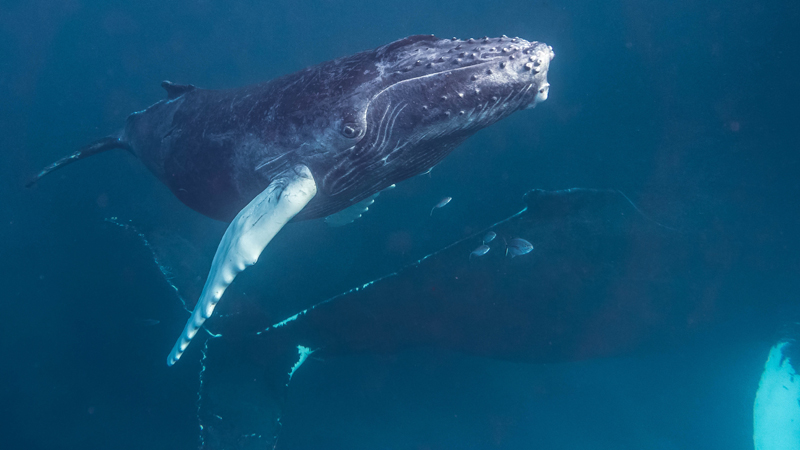
Palmchat BirdHumpback WhaleRhinoceros IguanasHispaniolan Trogons
Dominican Republic's amazing animals: palmchats in their communal nests, humpback whales breaching in Samaná Bay, rhinoceros iguanas sunbathing on tiny rocks, and colorful Hispaniolan trogons. Image Credits (from top left to bottom right): Ron Knight, Wikimedia Commons; Christopher Michael, Wikimedia Commons; Tim Ross, Wikimedia Commons; Alfonso Lomba, Wikimedia Commons

Natural Resources

The Dominican Republic has rich agricultural land perfect for growing world-class products! The country produces excellent cacao (for chocolate), premium coffee, sugar cane, and tropical fruits like mangoes and papayas. The nation also has gold mines, beautiful amber deposits that sometimes contain prehistoric insects, and pristine beaches that attract millions of tourists each year.

Dominican CacaoDominican Republic Amber Fossil Stone
Dominican Republic's natural wealth: cacao plantations producing premium chocolate beans and amber mining operations revealing ancient treasures trapped in fossilized tree resin. Image Credits (from left to right): CT Cooper, Wikimedia Commons; James St. John, Wikimedia Commons

AMAZING DOMINICAN FACTS
The Dominican Republic produces more Major League Baseball players per capita than any other country
Santo Domingo has the oldest cathedral, university, and hospital in the Americas dating from the early 1500s
The country invented merengue music and dance which is now popular worldwide
Larimar, a beautiful blue stone found only in the Dominican Republic, is considered the national gemstone

The Dominican Republic truly is the Caribbean's crown jewel, where history comes alive, baseball dreams come true, and every day feels like a celebration of life, music, and natural beauty!