Ecuador

Explore the country named after the equator with the Galápagos Islands, Amazon rainforest, and incredible biodiversity.


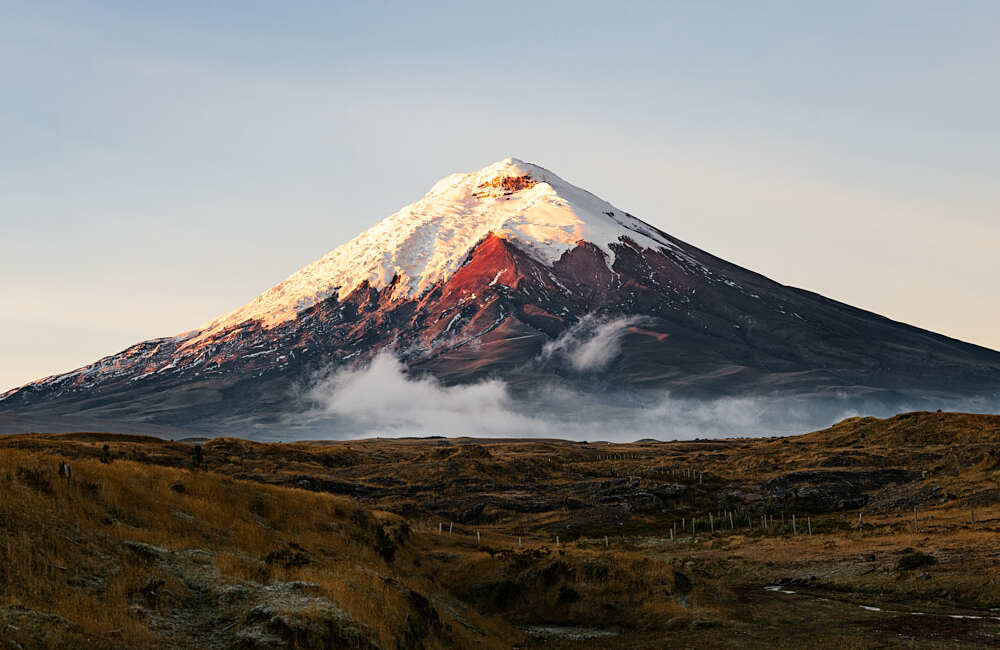
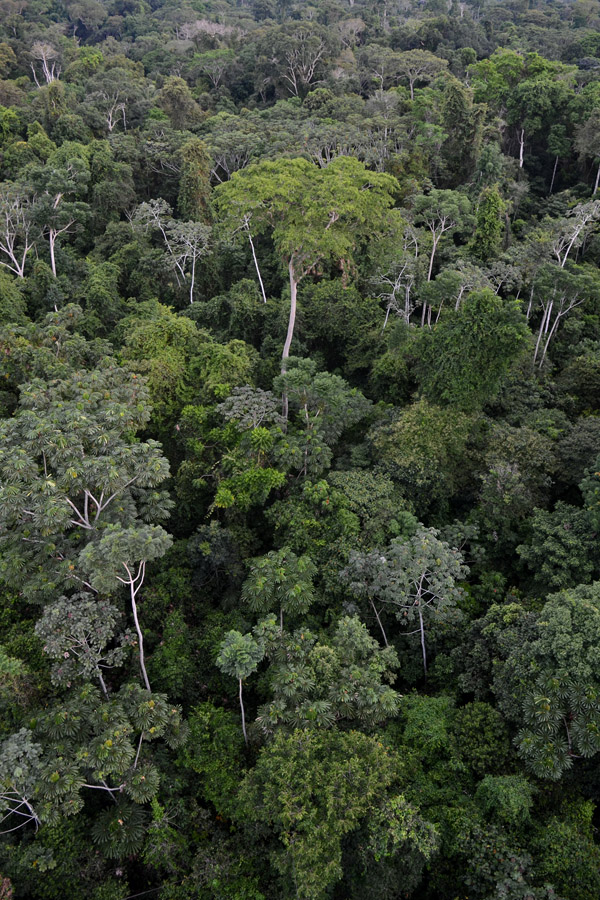
Ecuadorian landscape showing snow-capped volcanic peaks, and lush Amazon rainforest

Ecuadorian landscape showing snow-capped volcanic peaks, and lush Amazon rainforest

Photo BY César Viteri, Unsplash

¡Bienvenidos al Ecuador! Welcome to the "Country of Four Worlds," where you can stand on the exact center of the Earth and experience four completely different climates all in one small nation! Ecuador is like nature's perfect laboratory, home to the famous Galápagos Islands where Charles Darwin developed his theory of evolution, the Amazon rainforest with incredible biodiversity, snow-capped volcanoes on the equator, and beautiful Pacific beaches. Despite being one of South America's smallest countries, Ecuador contains more species per square mile than almost anywhere else on Earth!

Ecuador gained independence from Spain on May 24, 1822, as part of Simón Bolívar's liberation campaigns. The name "Ecuador" comes from the Spanish word for "equator" - the imaginary line around the middle of the Earth that passes right through the country! Originally called the "Audiencia de Quito" by the Spanish, it became "Ecuador" because it was the first country to be named after this important geographical feature. The indigenous Quechua people called their land "Kitu," meaning "center of the world."

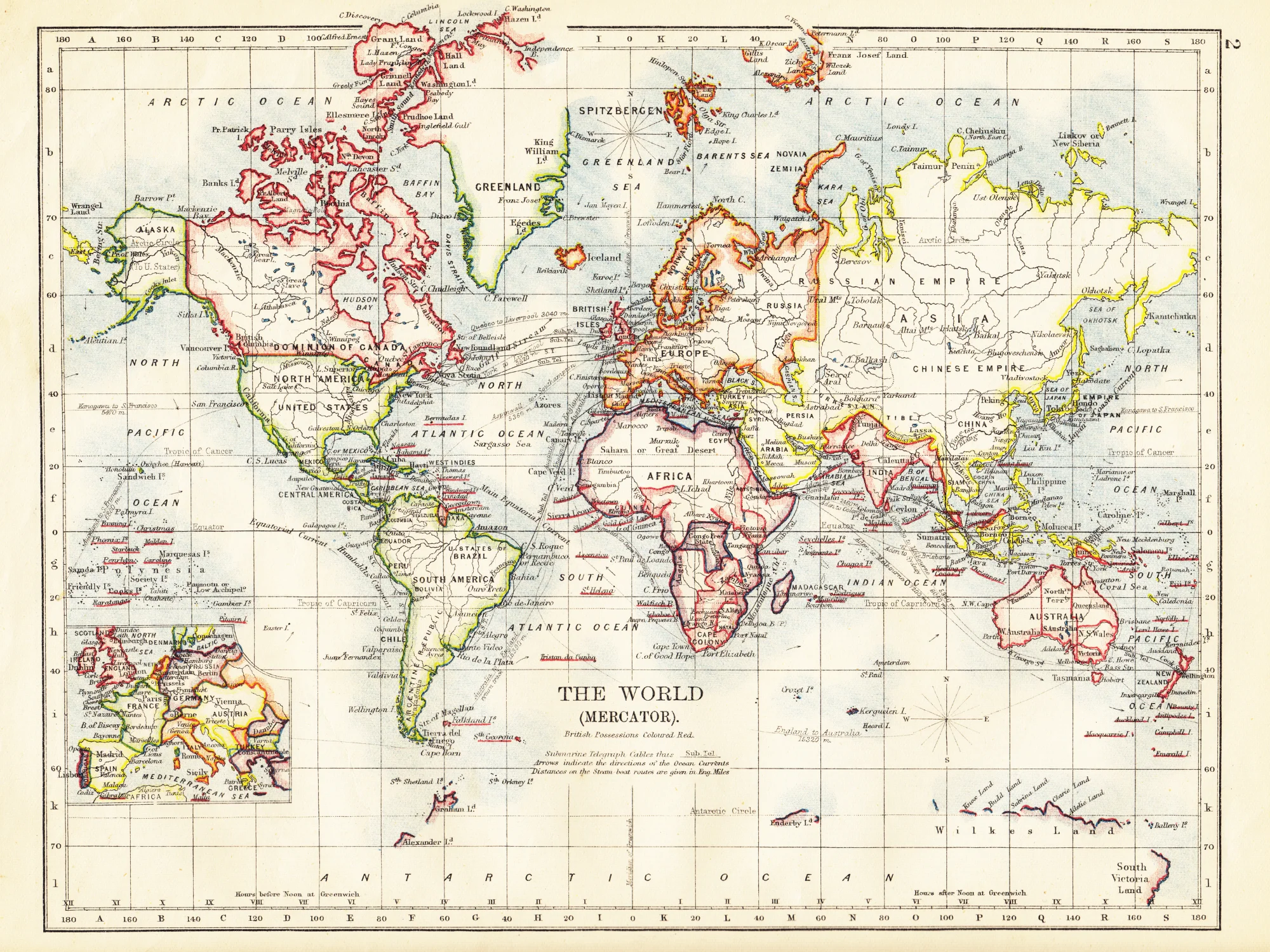
Map of Ecuador

Map of Ecuador showing its 24 provinces, the equator line, Galápagos Islands, Andes Mountains, Amazon region, and Pacific coastline. Image Credit: NordNordWest, Wikimedia Commons
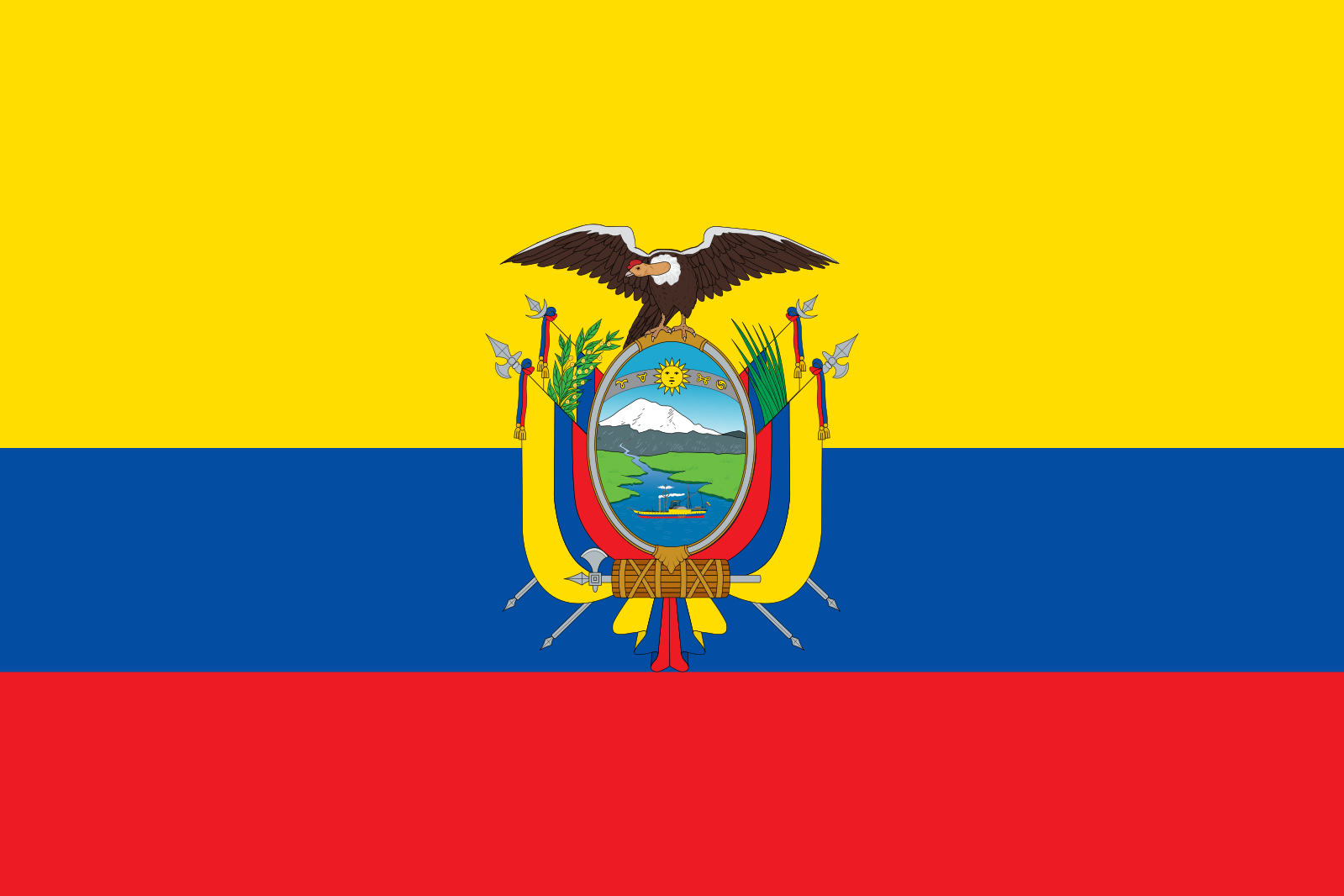
Ecuadorian FlagCinchona TreeAndean CondorUS Dollar (Ecuador's Currency)
Ecuadorian national symbols: yellow, blue, and red flag with coat of arms, cinchona tree, Andean condor, and US dollar (Ecuador's official currency since 2000). Image Credits (from top left to bottom right): President of the Republic of Ecuador, first uploaded by Denelson83 as Flag of Ecuador.svg, modifications by Husunqu, Zscout370, Wikimedia Commons; Forest & Kim Starr, Wikimedia Commons; Thomas Fuhrmann, Wikimedia Commons; Hidro, Wikimedia Commons

ECUADOR FACTS
INDEPENDENCE: May 24, 1822 (202 years ago)
POPULATION: About 18.1 million people
CAPITAL: Quito
PROVINCES: 24 provinces
BIGGEST CITY: Guayaquil (2.7 million people)
NATIONAL BIRD: Andean Condor
NATIONAL FLOWER: Rose
Info box image

History and Geography
Ecuador is unique because it has four distinct geographical regions all packed into a country smaller than Colorado! The Costa (coast) along the Pacific Ocean, the Sierra (highlands) with the Andes Mountains and active volcanoes, the Oriente (Amazon rainforest region), and the Galápagos Islands located 600 miles offshore in the Pacific. The equator runs right through the country, and amazingly, you can visit the "Mitad del Mundo" (Middle of the World) monument that marks the exact spot where the equator crosses through Ecuador!

Galápagos Volcanic IslandsCotopaxi VolcanoAmazon Rainforest CanopyPacific Coastal Beaches
Ecuador's four worlds: Galápagos volcanic islands with unique wildlife, snow-capped Cotopaxi volcano, dense Amazon rainforest canopy, and Pacific coastal beaches. Image Credits (from top left to bottom right): European Space Agency, Wikimedia Commons; camilogaleano.com, Wikimedia Commons; Geoff Gallice, Wikimedia Commons; Jason Hollinger, Wikimedia Commons

Amazing Wildlife

Ecuador is home to some of the most unique animals on Earth! The Galápagos Islands have giant tortoises that can live over 150 years, marine iguanas that swim in the ocean (the only lizards that do this!), blue-footed boobies with bright blue feet, and Darwin's finches that helped inspire the theory of evolution. The mainland has spectacled bears in the Andes, jaguars and pink river dolphins in the Amazon, plus over 1,600 bird species - more than the United States and Canada combined!

Galápagos TortoisesIquanasPoison Dart FrogsAndean Condors
Ecuador's incredible animals: giant Galápagos tortoises, marine iguanas swimming in ocean waters, colorful poison dart frogs in Amazon rainforest, and Andean condors soaring over volcanoes. Image Credits (from top left to bottom right): Bernard Gagnon, Wikimedia Commons; David Broad, Wikimedia Commons; Michael Gäbler, Wikimedia Commons; Michael Gäbler, Wikimedia Commons

Natural Resources

Ecuador is rich in petroleum from its Amazon region, which has been the country's main export for decades. The country also produces excellent cacao (for chocolate), bananas, roses, and shrimp that are exported worldwide. Ecuador's diverse climates allow it to grow tropical fruits, coffee, and other crops year-round. The Galápagos Islands are a precious natural resource protected as a UNESCO World Heritage Site.

Oil ExtractionCacao Plantations
Ecuador's natural wealth: oil extraction operations in the Amazon region (oil refinery plant show in image) and world-renowned cacao plantations producing premium chocolate beans. Image Credits (from left to right): Agencia de Noticias ANDES, Wikimedia Commons; Ignacio Moreira-Corral, Wikimedia Commons

AMAZING ECUADOR FACTS
Ecuador is the only country in the world where you can see snow-capped mountains from the equator
The Galápagos Islands inspired Charles Darwin's theory of evolution and are home to species found nowhere else on Earth
Ecuador has more orchid species (4,200) than any other country in the world
The country is so biodiverse that it has more bird species than Europe and North America combined

Ecuador truly is South America's most compact treasure, where four different worlds come together to create one of the most biodiverse and geographically amazing countries on our planet!