Egypt

Discover the gift of the Nile with ancient pyramids, pharaohs, mummies, and one of the world's oldest civilizations.


Egyptian landscape showing the Great Pyramids of Giza

Egyptian landscape showing the Great Pyramids of Giza

Photo BY Osama Elsayed, Unsplash

أهلاً وسهلاً (Ahlan wa sahlan)! Welcome to the land of the pharaohs, where ancient pyramids have stood for over 4,500 years and mummies sleep in golden tombs! Egypt is like the world's greatest outdoor museum, where you can walk through the same temples that Cleopatra once ruled from, see hieroglyphics that tell stories from thousands of years ago, and sail down the Nile River - the longest river in the world and the lifeblood of Egyptian civilization. This incredible country connects Africa to the Middle East and has given humanity some of its most amazing achievements in art, science, and architecture.

Egypt has been continuously inhabited for over 5,000 years, making it one of the world's oldest civilizations, though modern Egypt gained independence from Britain on February 28, 1922. The name "Egypt" comes from the ancient Greek "Aigyptos," while Egyptians call their country "Misr." The ancient Egyptians called their land "Kemet," meaning "black land," referring to the fertile black soil left by the Nile River's annual floods that made agriculture possible in the desert.

Map of Egypt

Map of Egypt showing the Nile River valley, major cities like Cairo and Luxor, the Sinai Peninsula, and borders with Libya, Sudan, and Israel. Image Credit: Mint eggy93, Wikimedia Commons
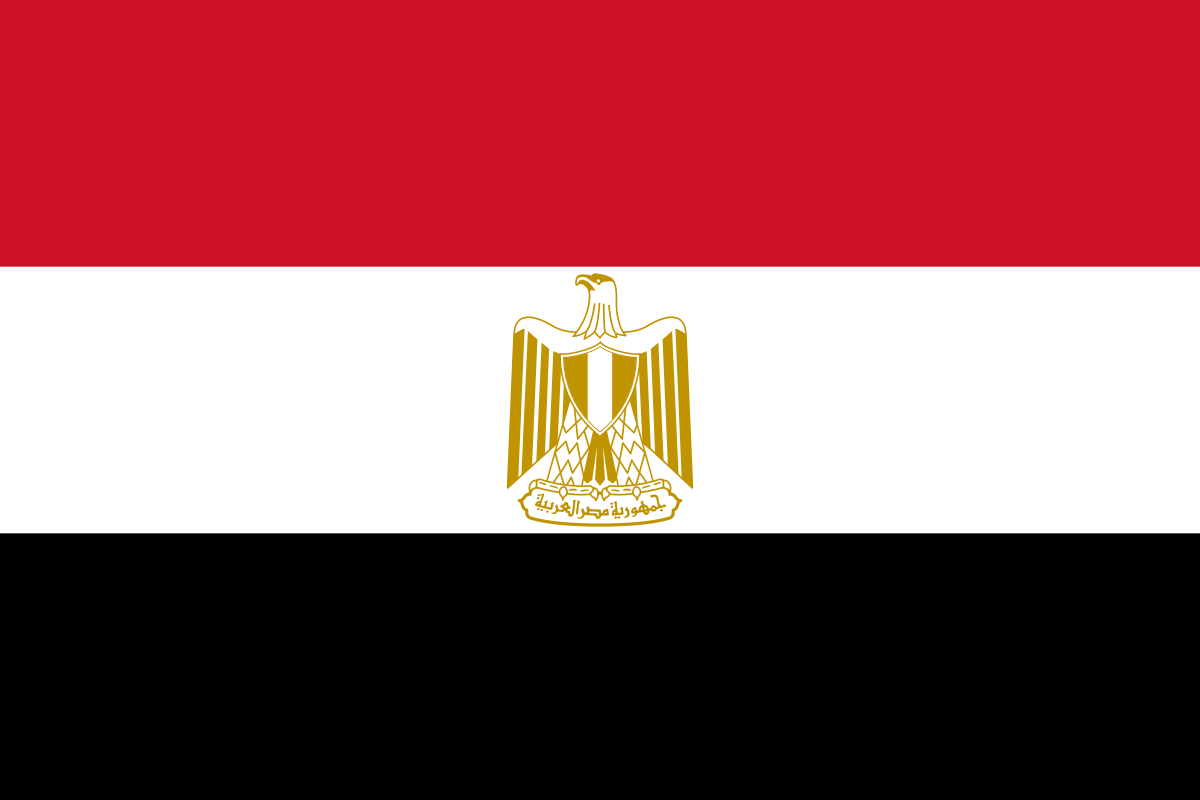
Egyptian FlagLotus FlowerGolden EagleEgyptian Pound
Egyptian national symbols: red, white, and black flag with golden eagle, lotus flower, golden eagle, and Egyptian pound featuring pharaonic monuments and Islamic architecture. Image Credits (from top left to bottom right): Kaim Amin, Wikimedia Commons; Daniel Mayer, Wikimedia Commons; Juan lacruz, Wikimedia Commons; Szajci, Wikimedia Commons

EGYPT FACTS
INDEPENDENCE: February 28, 1922 (102 years ago)
POPULATION: About 106 million people
CAPITAL: Cairo
GOVERNORATES: 27 governorates
BIGGEST CITY: Cairo (10.1 million people)
NATIONAL BIRD: Golden Eagle
NATIONAL FLOWER: Lotus
Info box image

History and Geography
Egypt is home to one of humanity's greatest ancient civilizations that built the Great Pyramids of Giza (the only surviving Wonder of the Ancient World), created mummies that have lasted thousands of years, and developed hieroglyphic writing! The country is mostly desert, but the Nile River creates a green ribbon of life through the sand, allowing 95% of Egyptians to live along its banks. Egypt also controls the Suez Canal, one of the world's most important shipping routes connecting the Mediterranean and Red Seas.

Great PyramidsNile RiverValley of the KingsSuez Canal
Egypt's iconic geography: Great Pyramids and Sphinx at Giza, Nile River flowing through desert with traditional feluccas, Valley of the Kings with ancient tombs, and Suez Canal with massive cargo ships. Image Credits (from top left to bottom right): Ricardo Liberato, Wikimedia Commons; Expedition 35 Crew (NASA), Wikimedia Commons; Vyacheslav Argenberg, Wikimedia Commons; Earth Science and Remote Sensing Unit (Lyndon B. Johnson Space Center), Wikimedia Commons

Amazing Wildlife

The majestic golden eagle soars over Egypt's deserts and is the country's national bird, while the lotus flower that grows in the Nile was sacred to ancient Egyptians and appears in their art. The Nile River supports sacred ibis birds (worshipped by ancient Egyptians), Nile crocodiles, and many fish species, while the deserts are home to fennec foxes with huge ears, sand cats, and various desert-adapted reptiles. The Red Sea coast has some of the world's most beautiful coral reefs.

Golden EagleIbis BirdFennec FoxCoral Reef Fish
Egypt's diverse animals: golden eagles soaring over desert monuments, sacred ibis birds along the Nile River, adorable fennec foxes in desert sands, and colorful coral reef fish in the Red Sea. Image Credits (from top left to bottom right): Juan lacruz, Wikimedia Commons; Rhododendrites, Wikimedia Commons; Anass ERRIHANI, Wikimedia Commons; Thomas Hubauer, Wikimedia Commons

Natural Resources

Egypt's most precious resource has always been the Nile River, which provides water for drinking, farming, and transportation in an otherwise desert country. Today, Egypt has significant natural gas and oil reserves, plus the income from the Suez Canal as ships pay to use this crucial shortcut between Europe and Asia. The country's incredible ancient monuments attract millions of tourists from around the world, making tourism a major industry.

Nile RiverSuez Canal
Egypt's lifelines: the life-giving Nile River supporting agriculture in the desert and the strategic Suez Canal generating revenue from international shipping. Image Credits (from top left to bottom right): Marc Ryckaert (MJJR), Wikimedia Commons; Vyacheslav Argenberg, Wikimedia Commons

AMAZING EGYPT FACTS
The Great Pyramid of Giza was the world's tallest building for over 3,800 years until the Eiffel Tower was built
Ancient Egyptians invented paper (papyrus), toothpaste, breath mints, and the 365-day calendar we still use
Egypt has more than 100 pyramids, though the three at Giza are the most famous
The Nile River is 4,135 miles long making it the longest river in the world and Egypt's lifeline through the desert

Egypt truly is Africa's greatest treasure chest of ancient wonders, where pharaohs built monuments that still amaze the world and the mighty Nile continues to bring life to the desert just as it has for thousands of years!