El Salvador
Discover the smallest Central American country known as the Land of Volcanoes with amazing pupusas and coffee.

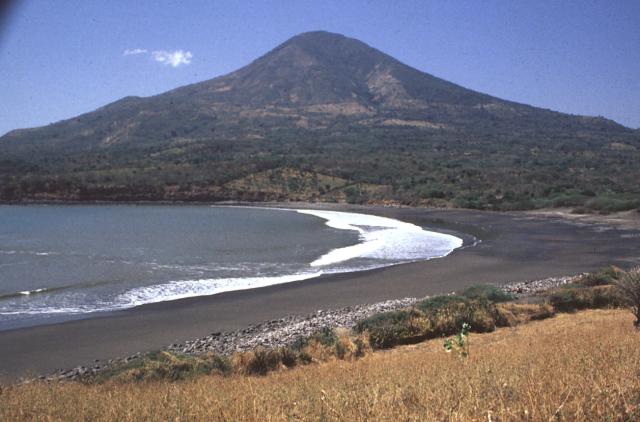
Salvadoran volcanic landscape showing active volcanoes, crater lakes, and traditional villages in mountain valleys
¡Bienvenidos al Pulgarcito de América! Welcome to the "Little Thumb of America," the smallest country in Central America that's packed with more volcanoes per square mile than almost anywhere else on Earth! El Salvador is like nature's volcano laboratory, where you can see active volcanoes, beautiful crater lakes, and some of the most fertile soil in the world created by ancient volcanic eruptions. This amazing little country has given the world delicious pupusas (stuffed tortillas) and some of the finest coffee beans that grow in the rich volcanic earth.
El Salvador gained its independence from Spain on September 15, 1821, as part of the Central American independence movement. The name "El Salvador" means "The Savior" in Spanish, referring to Jesus Christ. Spanish conquistador Pedro de Alvarado gave the country this name in honor of the Holy Savior. The indigenous Pipil people, who were related to the Aztecs, called their land "Cuzcatlán," meaning "Land of Precious Things."

Map of El Salvador showing its 14 departments, Pacific coastline, and borders with Guatemala and Honduras. Image Credit: NordNordWest, Wikimedia Commons



Amazing Wildlife
The beautiful turquoise-browed motmot with its distinctive racket-shaped tail is El Salvador's national bird and builds nests in volcanic cliffs. The country's diverse ecosystems support over 500 bird species, including colorful quetzals in the cloud forests, plus animals like jaguars (though rare), ocelots, anteaters, and three-toed sloths. The Pacific waters are home to sea turtles that nest on the black sand beaches.


Natural Resources
El Salvador's volcanic soil produces some of the world's finest coffee! The high altitude and mineral-rich earth create perfect conditions for premium coffee beans. The country also has geothermal energy from its volcanoes, which provides clean electricity. Traditional crops include sugar cane, cotton, and corn, while the Pacific coast provides excellent fishing opportunities.


El Salvador truly is a small country with a big heart, where volcanic landscapes create natural beauty and rich soil that feeds both the land and the warm, welcoming culture of its people!