Germany

Discover the heart of Europe with fairy-tale castles, engineering marvels, Oktoberfest celebrations, and rich cultural heritage.


German landscape showing Neuschwanstein fairy-tale castle

German landscape showing Neuschwanstein fairy-tale castle

Photo BY Felix, Unsplash

Willkommen in Deutschland! Welcome to the land of fairy-tale castles, incredible engineering, and gemütlichkeit (cozy warmth)! Germany is like the heart of Europe, where ancient forests hide medieval castles that inspired Disney movies, where precision engineering creates the world's finest cars, and where festivals like Oktoberfest bring people together to celebrate with music, dancing, and traditional food. This amazing country has given the world classical music from Bach and Beethoven, revolutionary inventions, and some of the most beautiful Christmas markets that look like winter wonderlands!

Germany was unified as a modern nation on January 18, 1871, when many smaller German states joined together to form the German Empire. The name "Germany" comes from the Latin "Germania," used by Romans to describe the lands east of the Rhine River inhabited by Germanic tribes. In German, the country is called "Deutschland," meaning "land of the people" (Deutsche = German people, Land = land). Germany's location in the heart of Europe has made it a crossroads of culture, trade, and ideas for centuries.

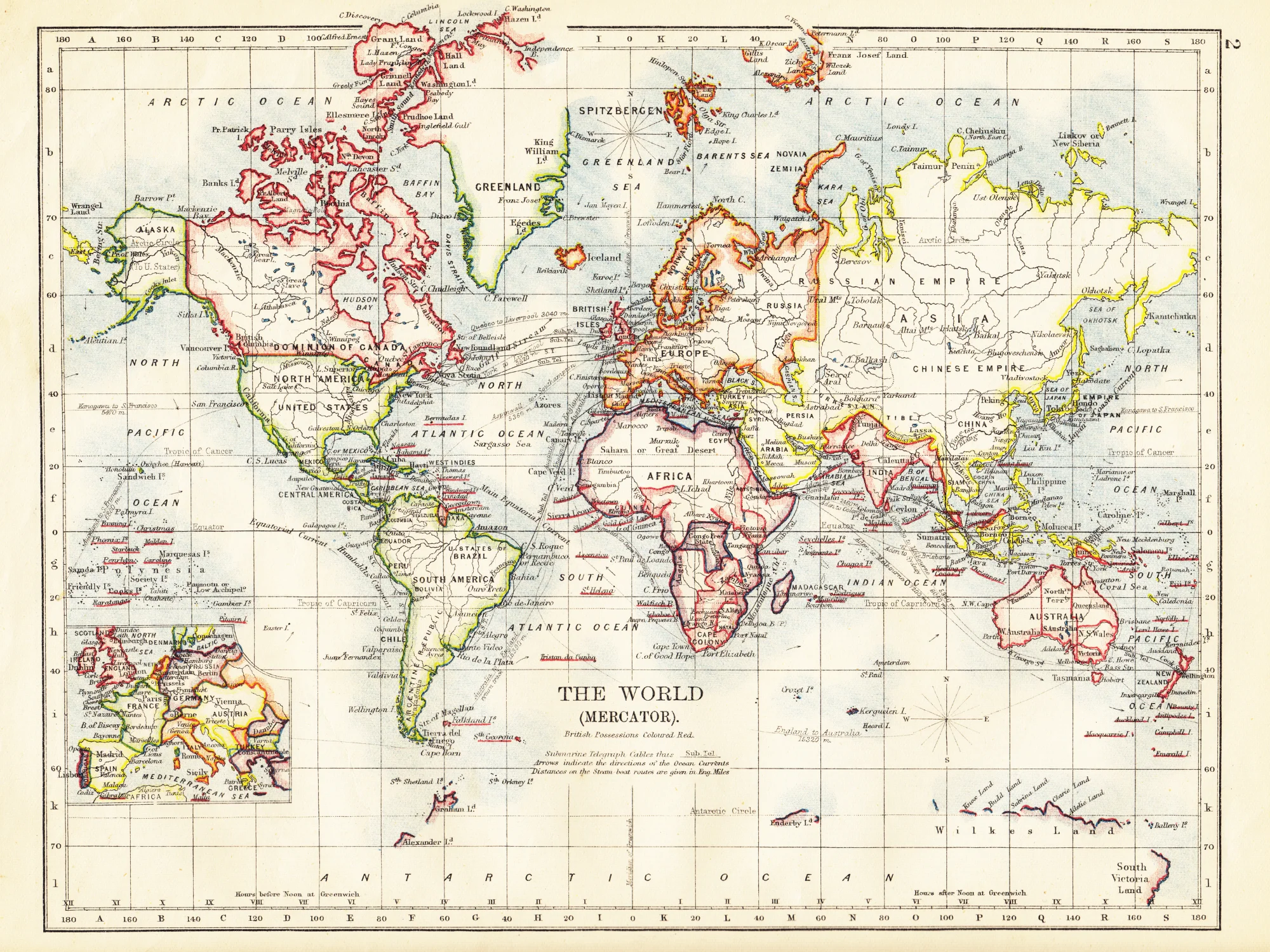
Map of Germany

Map of Germany showing its 16 federal states, major cities like Berlin and Munich, Rhine and Danube rivers, and borders with nine neighboring countries. Image Credit: NordNordWest, Wikimedia Commons

German FlagOak TreeFederal EagleEuro Currency
German national symbols: black, red, and gold flag, oak tree, federal eagle (as shown in the middle of Germany's State flag), and euro currency. Image Credits (from top left to bottom right): User:SKopp, User:Madden, and other users, Wikimedia Commons; Stacey Hayden, Unsplash; User:Denelson83, Wikimedia Commons; Avij, Wikimedia Commons

GERMANY FACTS
UNIFICATION: January 18, 1871 (153 years ago)
POPULATION: About 84 million people
CAPITAL: Berlin
STATES: 16 federal states (Länder)
BIGGEST CITY: Berlin (3.7 million people)
NATIONAL BIRD: Golden Eagle
NATIONAL FLOWER: Cornflower (unofficial but traditional)
Info box image

History and Geography
Germany has a fascinating history from medieval Holy Roman Empire to modern European Union leadership! The country sits in the heart of Europe and has incredibly diverse geography - the Bavarian Alps in the south with fairy-tale Neuschwanstein Castle, the mysterious Black Forest with dense woods and cuckoo clocks, the romantic Rhine Valley with vineyards and medieval towns, and the Baltic Sea coast with beautiful beaches and historic cities. Germany also has vast plains perfect for farming and industry.

Neuschwanstein CastleRhine RiverBlack ForestBaltic Sea Cliffs
Germany's diverse geography: fairy-tale Neuschwanstein Castle in Bavarian Alps, romantic Rhine River valley with vineyards, dense Black Forest, and Baltic Sea coastal cliffs. Image Credits (from top left to bottom right): Ximonic, Simo Räsänen (post-processing) & Tauno Räsänen (photograph), Wikimedia Commons; A.Savin, Wikimedia Commons; Leonhard Lenz, Wikimedia Commons; Freddy Fehmarn, Wikimedia Commons

Amazing Wildlife

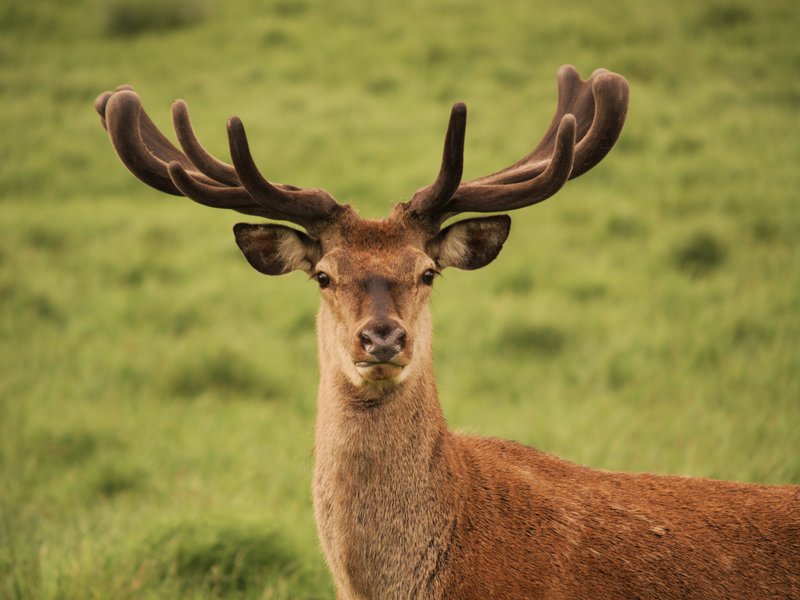
The majestic federal eagle represents Germany's strength and freedom and appears on the country's coat of arms. However, Germany's official national bird is the golden eagle. Germany's diverse landscapes support red deer and wild boar in the forests, Alpine ibex climbing mountain peaks, white storks that build huge nests on village rooftops, and brown bears returning to the Bavarian forests. The country also has lynx, wolves, and over 500 bird species, plus unique animals like fire salamanders that look like they're painted with bright yellow spots.

Golden EaglesWhite StorksRed DeerFire Salamanders
Germany's diverse animals: majestic golden eagles soaring over mountains, white storks nesting on village rooftops, red deer in Black Forest, and colorful fire salamanders under forest logs. Image Credits (from top left to bottom right): Michael Gäbler, Wikimedia Commons; Martin Falbisoner, Wikimedia Commons; Karl Moor, Wikimedia Commons; Johnneymer, Wikimedia Commons

Natural Resources

Germany is famous for its precision engineering and manufacturing - German cars like BMW, Mercedes-Benz, and Volkswagen are renowned worldwide for their quality! The country also leads the world in renewable energy, especially wind and solar power. Germany has rich agricultural land that produces excellent beer ingredients (hops and barley), plus coal deposits that historically powered its industry, though the country is transitioning to clean energy.

Automotive ManufacturingWind Farms
Germany's engineering excellence: precision automotive manufacturing producing world-class cars and wind energy farms generating clean renewable power. Image Credits (from top left to bottom right): Rainer Lück, Wikimedia Commons; Kim Hansen., Wikimedia Commons

WUNDERBAR GERMANY FACTS
Germany has over 25,000 castles and palaces including Neuschwanstein which inspired Disney's Sleeping Beauty castle
The country invented the printing press, automobile, computer, and MP3 format that changed the world
Germany has 46 UNESCO World Heritage Sites and is famous for classical music composers like Bach, Beethoven, and Mozart
Oktoberfest is the world's largest beer festival and German Christmas markets inspired holiday traditions worldwide

Germany truly is Europe's engineering powerhouse, where medieval charm meets modern innovation and gemütlichkeit creates a warm welcome for visitors from around the world!