Ghana

Explore the Gold Coast of Africa with rich kingdoms, cocoa farms, friendly people, and the birthplace of pan-Africanism.


Ghanaian landscape showing the coastal Cape Coast Castle

Ghanaian landscape showing the coastal Cape Coast Castle

Photo BY Rjruiziii, Wikimedia Commons

Akwaaba! Welcome to the "Gold Coast of Africa," where ancient kingdoms once traded gold for salt and today the world's finest cocoa beans grow under tropical sunshine! Ghana was the first African country to gain independence from European colonial rule, inspiring freedom movements across the entire continent. This amazing West African nation is famous for beautiful kente cloth with intricate patterns, friendly people who always say "You are welcome!", and being the world's second-largest producer of cocoa - the key ingredient in chocolate that brings joy to children everywhere.

Ghana gained independence from Britain on March 6, 1957, becoming the first sub-Saharan African country to break free from colonial rule, led by the inspiring Kwame Nkrumah. The name "Ghana" comes from the ancient Ghana Empire that existed from 300-1200 CE, though it was located further north. Nkrumah chose this name to connect the new nation with Africa's glorious past. The colonial name was "Gold Coast" because of the abundant gold that European traders found here, but Ghanaians proudly chose an African name for their independent nation.

Map of Ghana

Map of Ghana showing its 16 regions, major cities like Accra and Kumasi, coastal areas, Volta Lake, and borders with Ivory Coast, Burkina Faso, and Togo. Image Credit: NordNordWest, Wikimedia Commons
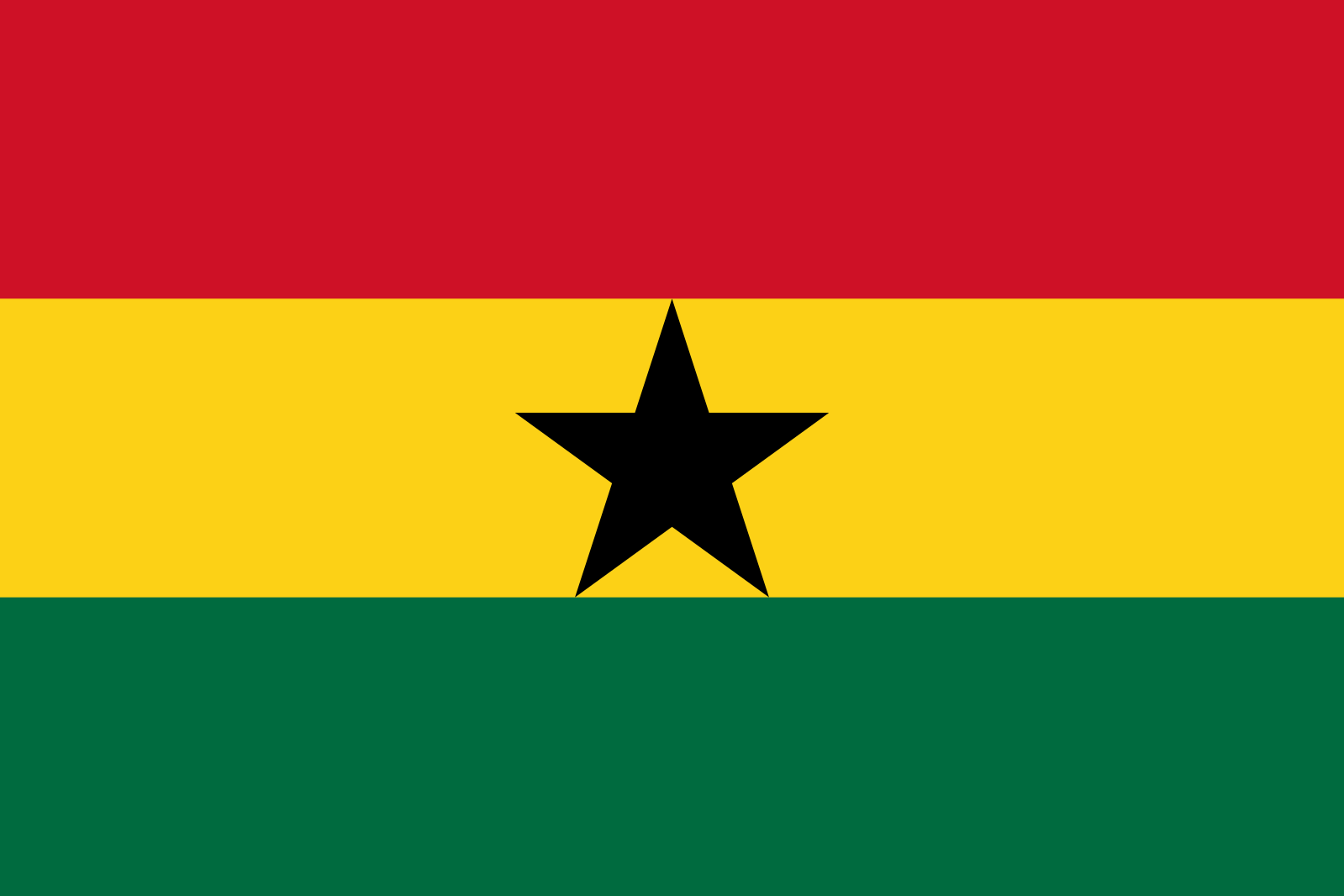
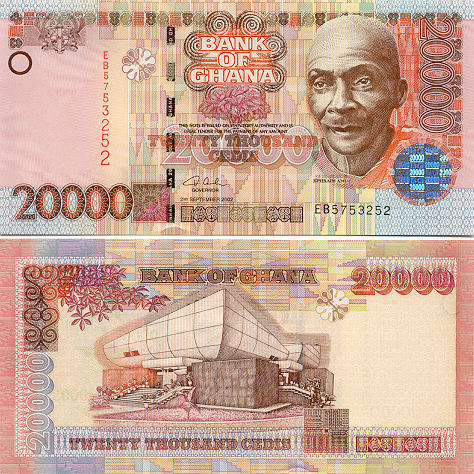
Ghanaian FlagOak TreeCrowned CraneGhanaian Cedi
Ghanaian national symbols: red, gold, and green flag with black star, oak tree, crowned crane, and Ghana cedi featuring traditional symbols and independence leaders. Image Credits (from top left to bottom right): Theodosia Okoh, Wikimedia Commons; Sir Amugi, Wikimedia Commons; Charles J. Sharp, Wikimedia Commons; Bank of Ghana, Wikimedia Commons

GHANA FACTS
INDEPENDENCE: March 6, 1957 (67 years ago)
POPULATION: About 33.5 million people
CAPITAL: Accra
REGIONS: 16 regions
BIGGEST CITY: Accra (2.3 million people)
NATIONAL BIRD: Crowned Crane (unofficial)
NATIONAL FLOWER: Impala Lily (unofficial)

History and Geography
Ghana has a rich history of powerful kingdoms like the Ashanti Empire, famous for their golden throne and incredible goldweights used for trade. The country has diverse geography from tropical rainforests in the south where cocoa grows, to savanna grasslands in the north, plus a beautiful Atlantic coastline with historic castles that tell important stories about African history. Lake Volta is one of the world's largest man-made lakes, created by the Akosombo Dam and providing electricity for much of the country.

Cocoa PlantationsCape Coast CastleLake Volta ReservoirSavanna Landscapes
Ghana's diverse geography: lush cocoa plantations in forest regions, historic Cape Coast Castle on Atlantic shore, vast Lake Volta reservoir, and northern savanna landscapes with baobab trees. Image Credits (from top left to bottom right): Otuo-Akyampong Boakye, Wikimedia Commons; Rjruiziii, Wikimedia Commons; Celestinesucess, Wikimedia Commons; Ibn Shiraz, Wikimedia Commons

Amazing Wildlife

The elegant crowned crane is Ghana's unofficial national bird and performs spectacular dancing displays during mating season. Ghana's forests support forest elephants, various primates including colobus monkeys, and over 750 bird species. The country is also important for sea turtle conservation, with several species nesting on its beaches. Mole National Park in the north is home to elephants, antelopes, warthogs, and many other savanna animals.

Crowned CranesForest ElephantsColombus MonkeysSea Turtles
Ghana's diverse animals: crowned cranes dancing in wetlands, forest elephants in southern rainforests, colorful colobus monkeys in treetops, and sea turtles nesting on Atlantic beaches. Image Credits (from top left to bottom right): Charles J. Sharp, Wikimedia Commons; Jean-Paul Boerekamps, Wikimedia Commons; Hasin Shakur, Wikimedia Commons; Charles J. Sharp

Natural Resources

Ghana is the world's second-largest producer of cocoa, providing the chocolate that children around the world love! The country also has significant gold deposits (living up to its "Gold Coast" nickname), plus oil reserves discovered offshore. Ghana produces timber from sustainable forestry and has bauxite deposits. The Akosombo Dam provides hydroelectric power, and the country's political stability makes it an attractive destination for investment and tourism.

Cocoa Bean HarvestingGold Mining
Ghana's golden wealth: cocoa bean harvesting providing chocolate to the world and traditional gold mining operations continuing ancient trade traditions. Image Credits (from left to right): Francesco Veronesi, Wikimedia Commons; Enock4seth, Wikimedia Commons

GOLDEN GHANA FACTS
Ghana was the first African country south of the Sahara to gain independence inspiring freedom movements across Africa
The country produces about 20% of the world's cocoa beans making chocolate possible for children everywhere
Ghana's beautiful kente cloth has patterns that tell stories and is now recognized as a symbol of African pride worldwide
Lake Volta covers 3.6% of Ghana's land area making it one of the largest man-made lakes in the world

Ghana truly is Africa's golden gateway to freedom, where ancient kingdoms meet modern democracy and cocoa farms provide the world with chocolate while kente cloth weaves together the colorful story of African heritage and pride!