Grenada
Discover the Spice Isle of the Caribbean famous for nutmeg, beautiful beaches, and the world's first underwater sculpture park.

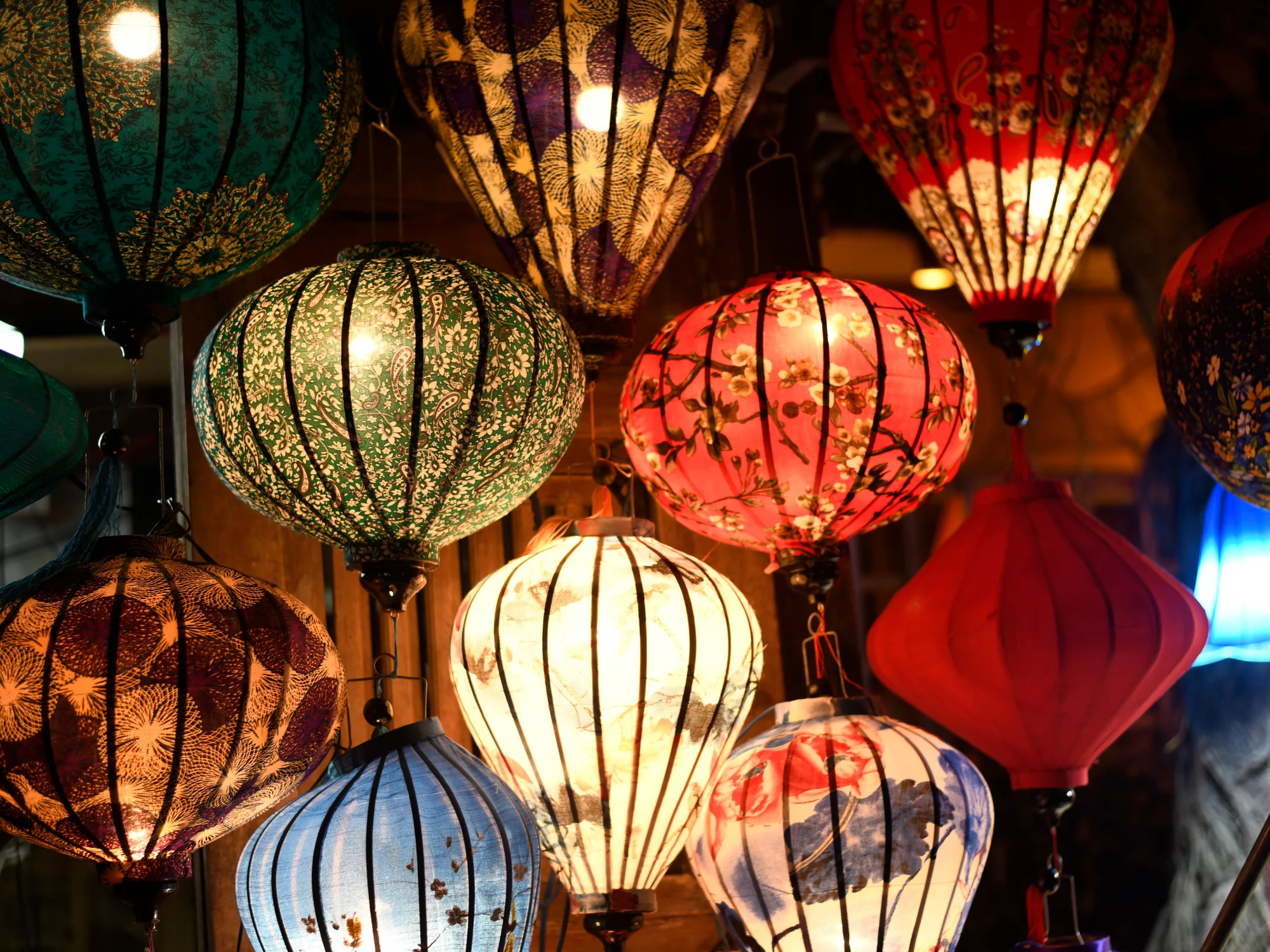
Grenadian culture with market vendors bordered by a pristine blue water border
Welcome to the "Spice Isle of the Caribbean," where the air smells like cinnamon and nutmeg, and you can swim through the world's first underwater sculpture park! Grenada is like nature's spice cabinet combined with an underwater art gallery, where fragrant spice plantations cover rolling hills and amazing sculptures on the ocean floor have become homes for colorful coral and tropical fish. This beautiful tri-island nation includes Grenada, Carriacou, and Petite Martinique, creating a perfect blend of spice farming, pristine beaches, and innovative marine conservation.
Grenada gained its independence from Great Britain on February 7, 1974, after centuries of colonial rule. The island was originally named "Concepción" by Christopher Columbus in 1498, but Spanish sailors later renamed it "Granada" after the Spanish city. The French called it "La Grenade," and the British anglicized it to "Grenada." The indigenous Kalinago (Carib) people called it "Camerhogne," but the spice connection began when French colonists started growing nutmeg, cinnamon, and other spices in the 1700s.

Map of Grenada showing its 6 parishes, sister islands Carriacou and Petite Martinique, spice-growing regions, and underwater sculpture park location. Image Credit: TUBS, Wikimedia Commons


Amazing Wildlife
The extremely rare Grenada dove is found nowhere else in the world and is one of the most endangered birds in the Caribbean with fewer than 200 birds remaining. The island's rainforests are home to colorful hummingbirds, bananaquits, and the endemic Grenada tree boa. The underwater sculpture park has become an artificial reef where parrotfish, angelfish, and sea turtles swim among the art installations that are slowly being covered by beautiful coral growth.


Natural Resources
Grenada's most famous resource is nutmeg - the island produces about 40% of the world's supply! The spice comes from the seed of a fruit that grows on evergreen trees, and both the nutmeg and the red covering (mace) are valuable spices. The island also grows excellent cocoa, cinnamon, cloves, and tropical fruits. Tourism is increasingly important, with visitors coming to see the spice plantations and swim in the unique underwater sculpture park.


Grenada truly is the Caribbean's most aromatic paradise, where every breeze carries the scent of spices and underwater art creates new coral reefs in the crystal-clear sea!