Guyana

Explore the land of many waters with pristine rainforests, Kaieteur Falls, and the only English-speaking country in South America.


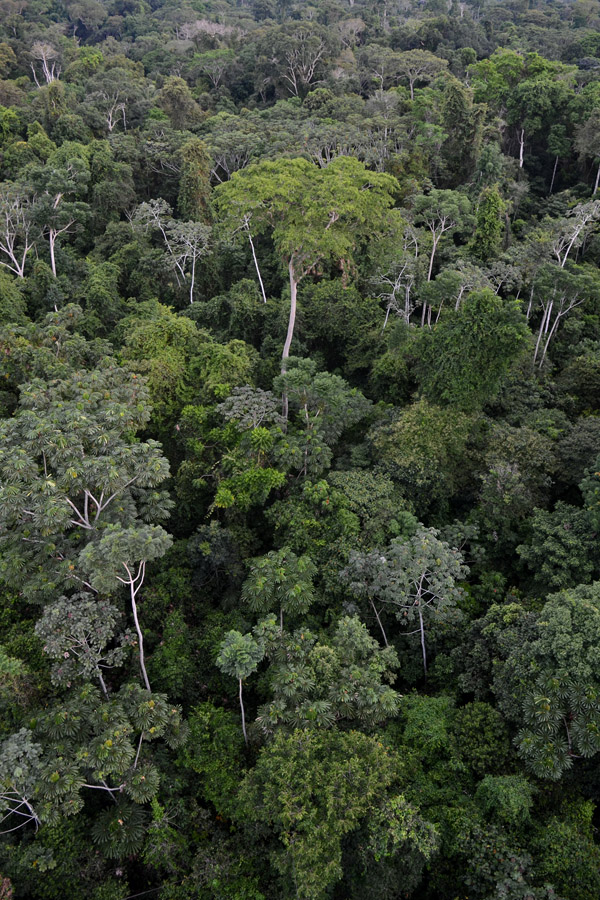
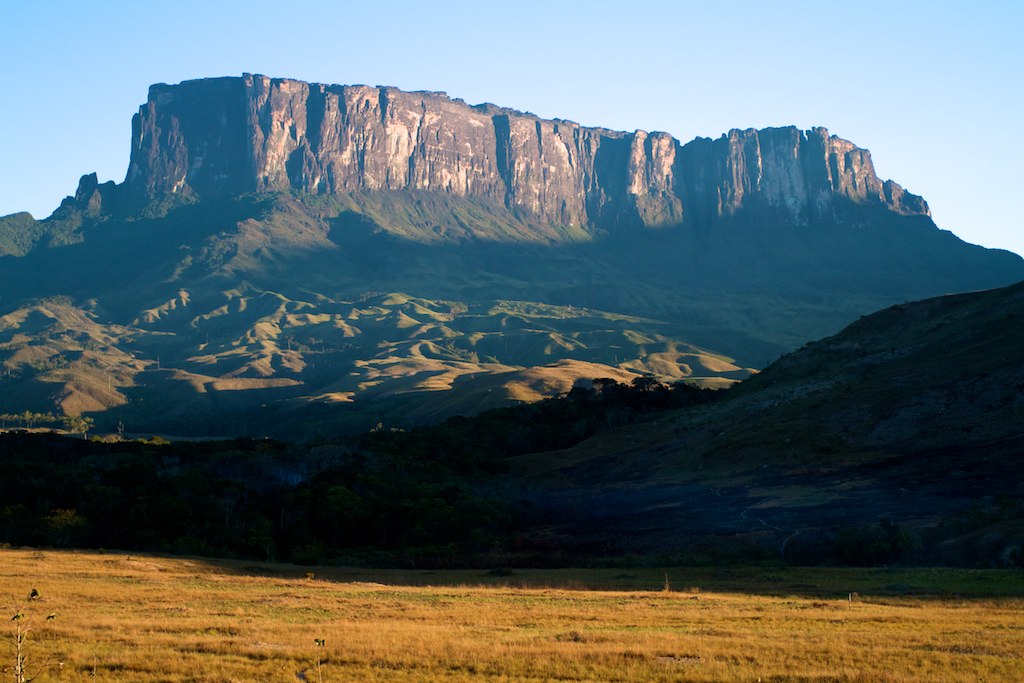
Guyanese landscape showing the spectacular Kaieteur Falls and dense Amazon rainforest

Guyanese landscape showing the spectacular Kaieteur Falls and dense Amazon rainforest

Photo BY Bill Cameron, Wikimedia Commons

Welcome to Guyana! Welcome to the "Land of Many Waters," the only English-speaking country in South America and one of the most pristine wilderness areas left on Earth! Guyana is like nature's secret treasure chest, where over 85% of the country is covered in untouched Amazon rainforest, spectacular waterfalls plunge from ancient mountains, and more species of birds live here than in all of North America. This amazing country has one of the most culturally diverse populations in South America and some of the cleanest, most unspoiled environments on our planet.

Guyana gained independence from Great Britain on May 26, 1966, making it one of the newest countries in South America. The name "Guyana" comes from the indigenous Amerindian word "Guiana," meaning "land of many waters" - a perfect description since the country has countless rivers, waterfalls, and wetlands. Originally called British Guiana, it was the only British colony in South America, which is why English is the official language today, making Guyana unique among its Spanish and Portuguese-speaking neighbors.

Map of Guyana

Map of Guyana showing its 10 regions, major rivers, and borders with Venezuela, Brazil, and Suriname. Image Credit: SurinameCentral, Wikimedia Commons
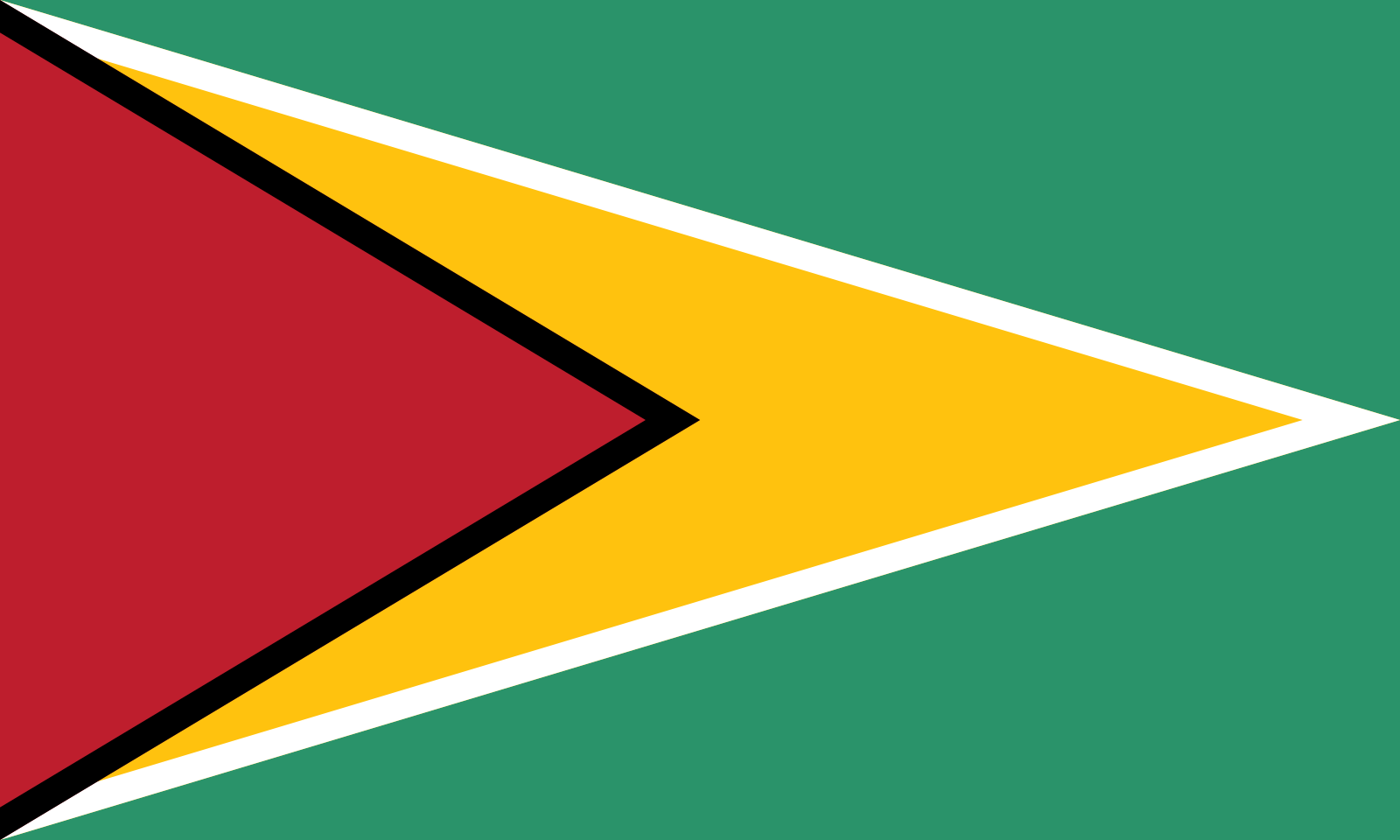
Guyanese FlagVictoria Regia LilyCanje Phesant (or Hoatzin)Guyana Dollar
Guyanese national symbols: green, yellow, red, black, and white flag, victoria regia lily, canje pheasant (or Hoatzin), and Guyana dollar featuring local wildlife and landmarks. Image Credits (from top left to bottom right): Whitney Smith, Wikimedia Commons; Dick Culbert, Wikimedia Commons; Christoph Moning, Wikimedia Commons; Berlin-George, Wikimedia Commons

GUYANA FACTS
INDEPENDENCE: May 26, 1966 (58 years ago)
POPULATION: About 790,000 people
CAPITAL: Georgetown
REGIONS: 10 regions
BIGGEST CITY: Georgetown (118,000 people)
NATIONAL BIRD: Canje Pheasant (Hoatzin)
NATIONAL FLOWER: Victoria Regia (Giant Water Lily)

History and Geography
Guyana is incredibly diverse both culturally and geographically! The country has a narrow coastal plain where most people live, vast Amazon rainforest in the interior, and the spectacular Kaieteur Falls - one of the world's largest single-drop waterfalls at 741 feet tall. Over 85% of Guyana is covered in pristine rainforest that has never been significantly disturbed by humans, making it one of the most intact ecosystems in the Amazon basin. The country also has ancient mountains called the Guiana Highlands that are among the oldest rock formations on Earth.

Kaieteur FallsAmazon Rainforest CanopyCoastal MangrovesGuiana Highland Tepuis
Guyana's diverse landscapes: spectacular Kaieteur Falls plunging into rainforest gorge, pristine Amazon rainforest canopy, coastal rice fields and mangroves, and ancient Guiana Highland tepuis. Image Credits (from top left to bottom right): Bill Cameron, Wikimedia Commons; Geoff Gallice, Wikimedia Commons; Z3lvs, Wikimedia Commons; Paulo Fassina, Wikimedia Commons

Amazing Wildlife

The unique canje pheasant (hoatzin) is Guyana's national bird and is like a living dinosaur - baby hoatzins have claws on their wings just like ancient birds! Guyana's pristine forests are home to jaguars, giant otters, harpy eagles, colorful cock-of-the-rock birds, and over 900 bird species. The country also has eight different species of cats, more than 200 mammal species, and the giant victoria regia water lily with leaves so big a child could sit on them!

Hoatzin BirdsJaguarGiant OttersGiant Victoria Regia Lily Pads
Guyana's pristine animals: unique hoatzin birds with prehistoric features, jaguars prowling through untouched forests, giant otters playing in rivers, and massive victoria regia lily pads. Image Credits (from top left to bottom right): Daniel Velasco, Wikimedia Commons; Charles J. Sharp, Wikimedia Commons; Charles J. Sharp, Wikimedia Commons; Dick Culbert, Wikimedia Commons

Natural Resources

Guyana has recently discovered huge oil deposits offshore that are transforming the country's economy and making it one of the world's fastest-growing economies. The country also has vast bauxite deposits (used to make aluminum), gold mines, and sustainable timber from its managed forests. The pristine rainforests and waterfalls are becoming increasingly important for eco-tourism as people seek to experience one of Earth's last wilderness areas.

Oil Drilling PlatformsBauxite Mining
Guyana's emerging wealth: offshore oil drilling platforms in Atlantic waters and sustainable bauxite mining operations providing aluminum ore. Image Credits (from left to right): CaptainDarwin, Wikimedia Commons; Jane Peters, Wikimedia Commons

PRISTINE GUYANA FACTS
Guyana has one of the lowest deforestation rates in the world with over 85% forest cover still intact
Kaieteur Falls is about 5 times taller than Niagara Falls and is surrounded by completely pristine rainforest
The country has more bird species per square mile than almost anywhere else in the world
Guyana's cultural diversity includes people of African, Indian, Chinese, European, and indigenous Amerindian heritage

Guyana truly is South America's last frontier, where pristine rainforests hold secrets still being discovered and a land of many waters flows toward a future built on both natural treasures and cultural diversity!