India
Discover the land of colors with the Taj Mahal, diverse cultures, spices, Bollywood, and incredible biodiversity.

Indian landscape showing the white marble Taj Mahal
नमस्ते (Namaste)! Welcome to the land of incredible colors, spices, and diversity, where over 1.4 billion people speak more than 700 languages! India is like a giant kaleidoscope of cultures, religions, and landscapes, where the magnificent Taj Mahal gleams like a white jewel, where colorful festivals like Holi paint entire cities in rainbow hues, and where Bollywood movies dance across silver screens with joy and music. This amazing subcontinent stretches from the snow-capped Himalayas (including the world's tallest mountains) to tropical beaches, and from vast deserts to lush rainforests.
India gained independence from Britain on August 15, 1947, led by the peaceful resistance movement of Mahatma Gandhi. The name "India" comes from the Indus River (called "Sindhu" in Sanskrit), while Indians call their country "Bharat" or "Hindustan." India is the world's largest democracy and the second most populous country. The country is incredibly diverse with 28 states and 8 union territories, each with their own languages, cultures, foods, and traditions that make India like many countries wrapped into one amazing nation.

Map of India showing its states and union territories, the Himalayas in the north, major rivers like the Ganges, and the triangular peninsula extending into the Indian Ocean. Image Credit: Nichalp, Wikimedia Commons


Amazing Wildlife
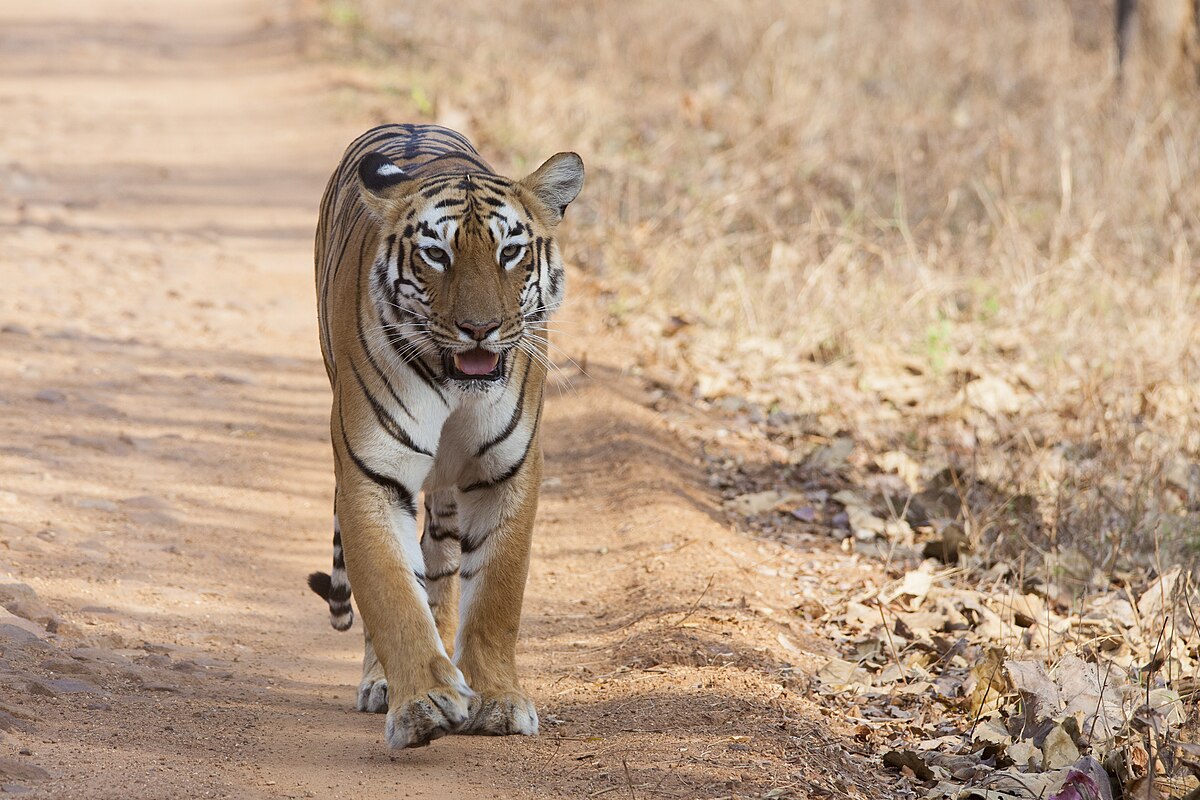
The spectacular Indian peacock with its brilliant blue and green feathers is India's national bird and appears in art, stories, and culture throughout the country. India has incredible wildlife including Bengal tigers (about 70% of the world's tigers live in India!), Asian elephants, one-horned rhinoceros, snow leopards in the Himalayas, and King cobras. The country also has over 1,300 bird species, including colorful parrots, hornbills, and flamingos.



Natural Resources
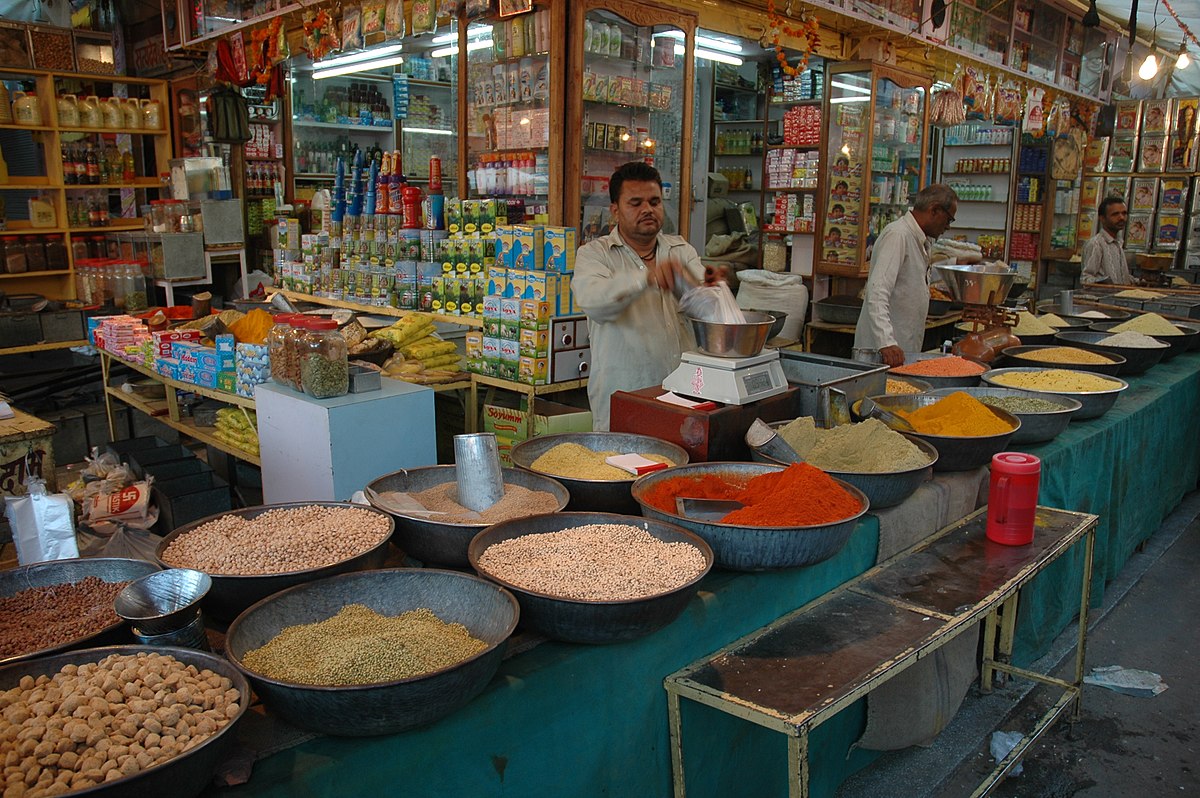
India is the world's largest producer of spices including cardamom, cinnamon, turmeric, and black pepper that add flavor to food worldwide! The country also produces tea (especially famous Darjeeling and Assam teas), rice, wheat, and cotton. India has coal, iron ore, and is becoming a major producer of renewable energy including solar and wind power. The country's greatest resource is its people - India produces many of the world's doctors, engineers, and technology workers.

India truly is Asia's land of infinite diversity, where ancient wisdom meets modern innovation and every state offers its own unique colors, flavors, languages, and traditions that create the beautiful tapestry of Indian culture!