Indonesia
Discover the world's largest archipelago with 17,000+ islands, active volcanoes, orangutans, and incredible cultural diversity.

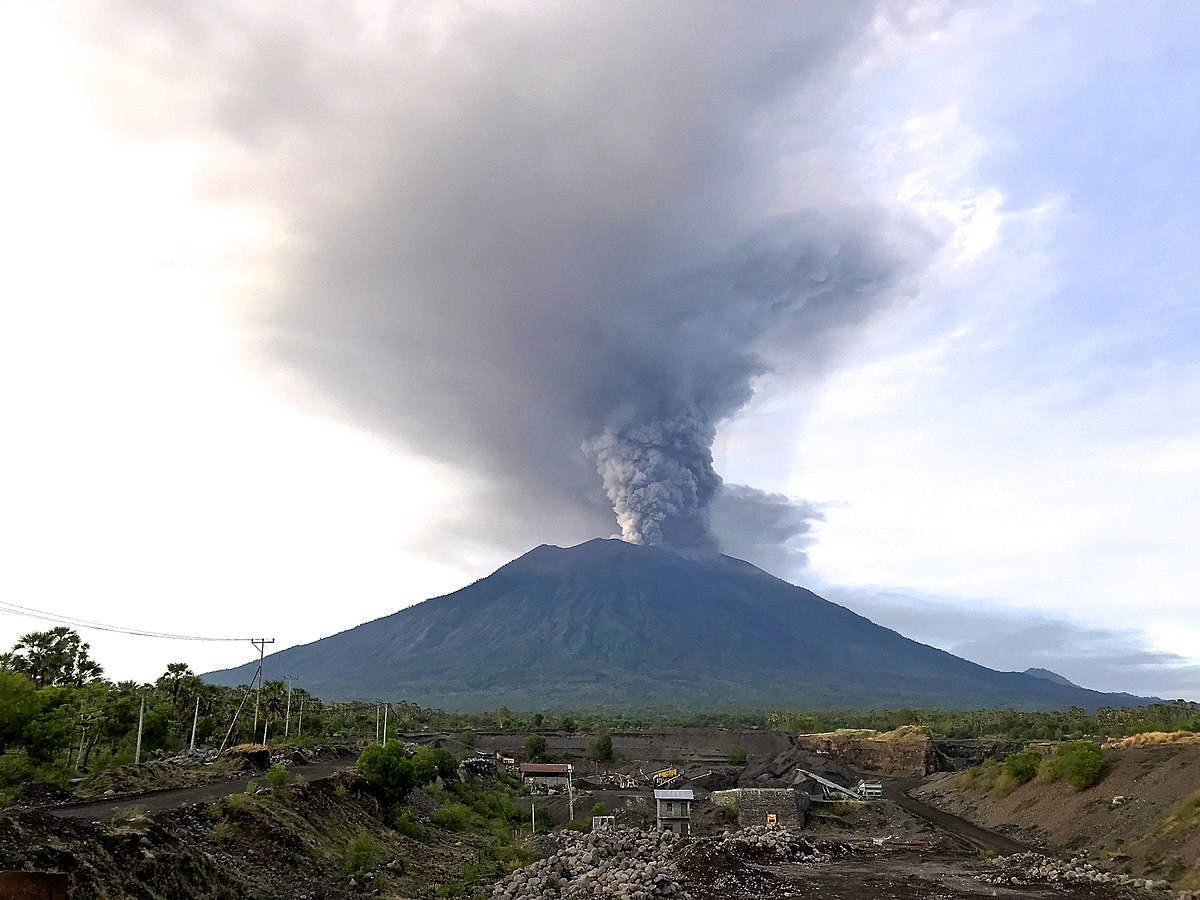
Indonesian landscape showing volcanic islands
Selamat datang! Welcome to the world's largest archipelago, where over 17,000 islands are scattered across the equator like emeralds in a sapphire sea! Indonesia is like a giant natural laboratory where active volcanoes create new land, where ancient orangutans swing through pristine rainforests, and where over 700 languages are spoken by people from hundreds of different ethnic groups. This incredible Southeast Asian nation stretches farther from east to west than the entire United States and is home to some of the most unique animals on Earth, including the famous Komodo dragons found nowhere else in the world!
Indonesia declared independence from the Netherlands on August 17, 1945, led by first president Sukarno. The name "Indonesia" was created in 1884 by combining the Greek words "Indos" (Indian) and "nesos" (islands), meaning "Indian islands," though Indonesians also call their country "Nusantara" meaning "outer islands." With over 17,000 islands spanning three time zones, Indonesia is the world's largest archipelago and the fourth most populous country, connecting the Indian and Pacific Oceans along the equator.
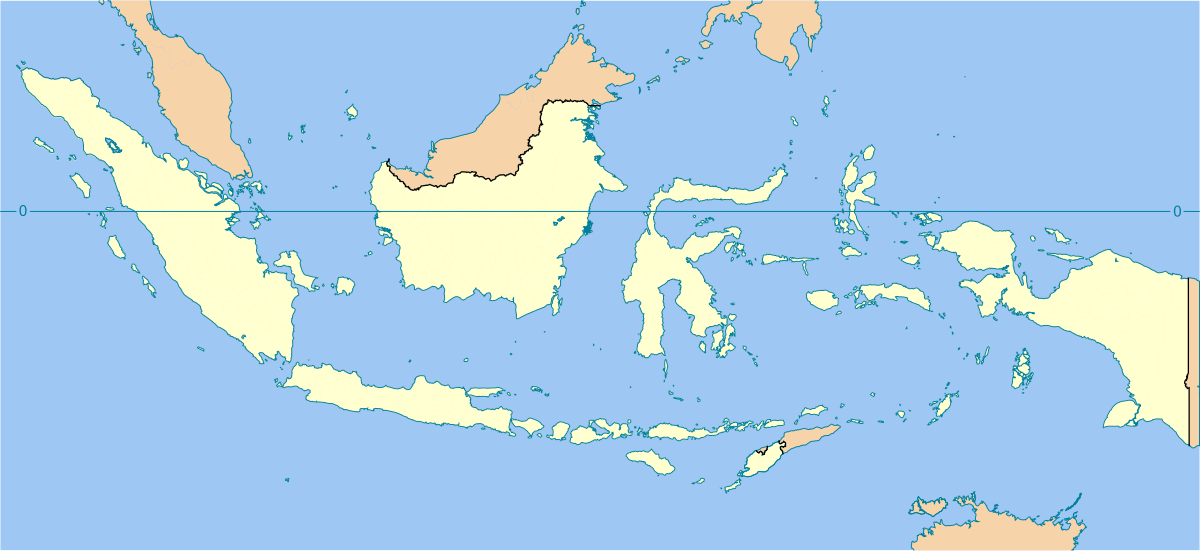 Map of Indonesia showing the major islands including Sumatra, Java, Borneo, Sulawesi, and Papua, plus thousands of smaller islands across the equator. Image Credit: en:User:Indon, Wikimedia Commons





Amazing Wildlife
The magnificent Javan hawk-eagle is Indonesia's national bird and is found only on the island of Java. Indonesia has some of the world's most unique animals including orangutans (found only in Borneo and Sumatra), Komodo dragons (the world's largest lizards found only on a few Indonesian islands), Javan rhinoceros (one of the world's rarest animals with fewer than 75 left), and tigers, elephants, and thousands of colorful bird species. The waters around Indonesia support incredible marine biodiversity including manta rays, whale sharks, and coral reefs.
:::4colllage


 Indonesia's unique animals: Javan hawk-eagles soaring over forests, orangutans swinging through Borneo rainforest canopy, massive Komodo dragons on volcanic islands, and Javan rhinoceros in protected reserves. Image Credits (from top left to bottom right): Eko Prastyo, Wikimedia Commons; A.Baihaqi, Wikimedia Commons; Charles J. Sharp, Wikimedia Commons; T.Dixon. The Zoological Society of London, Wikimedia Commons
:::
Indonesia's unique animals: Javan hawk-eagles soaring over forests, orangutans swinging through Borneo rainforest canopy, massive Komodo dragons on volcanic islands, and Javan rhinoceros in protected reserves. Image Credits (from top left to bottom right): Eko Prastyo, Wikimedia Commons; A.Baihaqi, Wikimedia Commons; Charles J. Sharp, Wikimedia Commons; T.Dixon. The Zoological Society of London, Wikimedia Commons
:::
Natural Resources
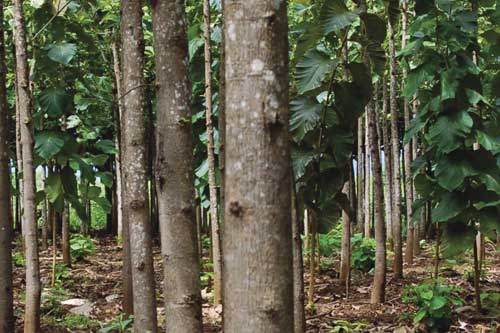
Indonesia is incredibly rich in natural resources! The country is the world's largest producer of palm oil and nickel, has significant coal and natural gas reserves, and produces coffee, cocoa, rubber, and spices that have been traded for centuries. Indonesia is also the world's largest exporter of tropical fish for aquariums and has vast timber resources, though sustainable management is increasingly important to protect the rainforests and unique wildlife.


Indonesia truly is Southeast Asia's island paradise, where the Ring of Fire creates stunning volcanic landscapes and 17,000 islands provide homes for some of Earth's most unique and endangered animals in tropical settings that look like paradise!