Madagascar

Explore the eighth continent with unique lemurs, baobab trees, and 90% endemic species found nowhere else on Earth.


Madagascar landscape showing iconic baobab trees at sunset

Madagascar landscape showing iconic baobab trees at sunset

Photo BY gemmmm 🖤, Unsplash

Tongasoa! Welcome to the "Eighth Continent," an island so unique it's like a different planet! Madagascar broke away from Africa 180 million years ago and has been evolving on its own ever since, creating one of the most extraordinary places on Earth where 90% of all plants and animals are found nowhere else in the world! This incredible island is home to adorable lemurs that exist only here, massive baobab trees that look like they're growing upside down, and landscapes so diverse they range from rainforests to spiny deserts all on one amazing island.

Madagascar gained independence from France on June 26, 1960, after being a French colony since 1897. The name "Madagascar" was given by 13th-century explorer Marco Polo, possibly derived from the Somali "Madageiskar." The Malagasy people call their island "Madagasikara." The island's isolation for 180 million years after breaking away from the African continent has made it a living laboratory of evolution, earning it the nickname "the eighth continent" because of its unique biodiversity.

Map of Madagascar

Map of Madagascar showing its regions, diverse ecosystems from rainforests to spiny forests, major cities, and position in the Indian Ocean off Africa's coast. Image Credit: NordNordWest, Wikimedia Commons
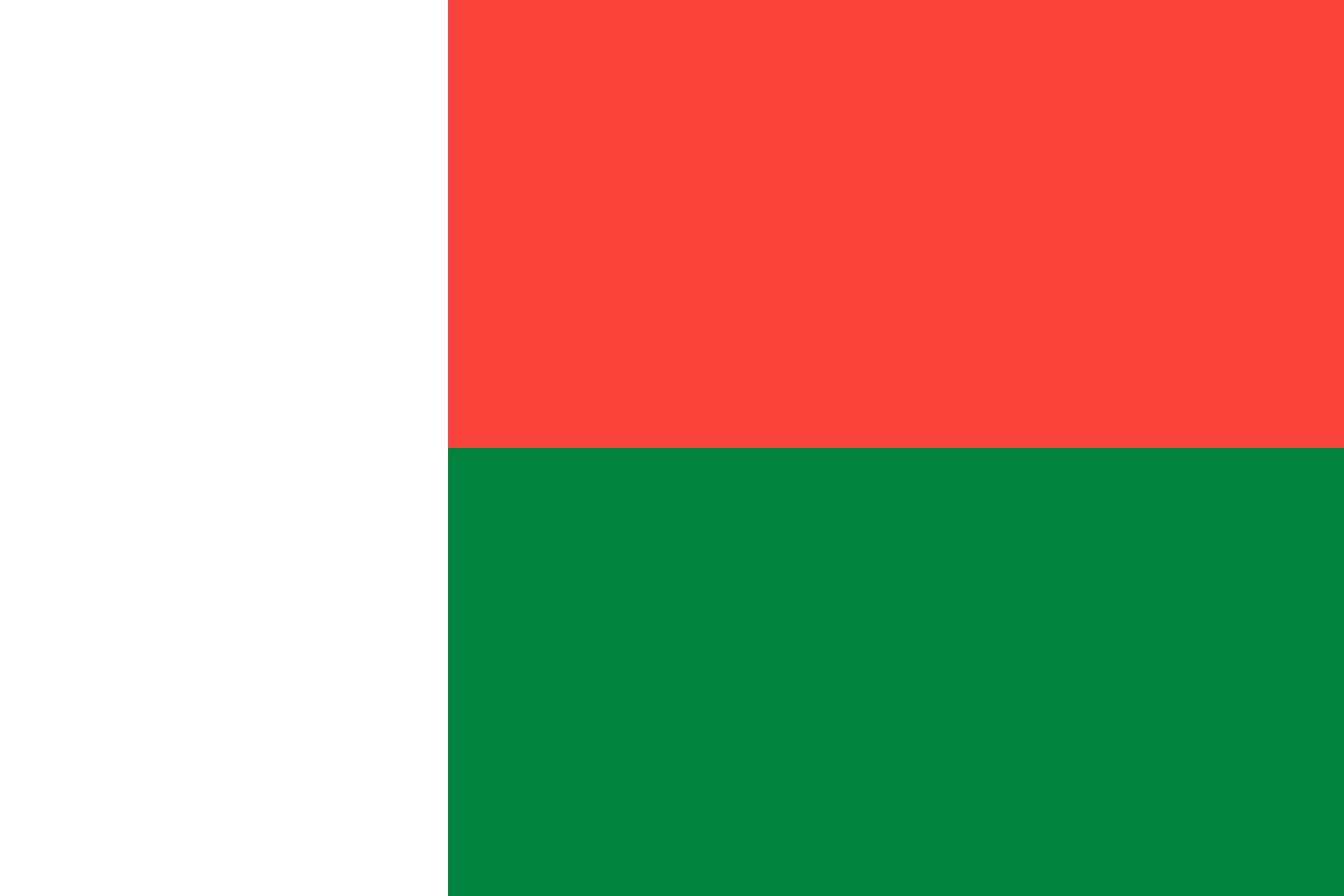
Malagasy FlagRavenalaMadagascar Fish EagleAriary Currency
Madagascar national symbols: red, white, and green flag, ravenala (traveler's palm), Madagascar fish eagle, and ariary currency featuring endemic species and cultural heritage. Image Credits (from top left to bottom right): User:SKopp, Wikimedia Commons; phiro, Wikimedia Commons; Francesco Veronesi, Wikimedia Commons; Joussia, Wikimedia Commons

MADAGASCAR FACTS
INDEPENDENCE: June 26, 1960 (64 years ago)
POPULATION: About 30.3 million people
CAPITAL: Antananarivo
PROVINCES: 6 provinces
BIGGEST CITY: Antananarivo (1.6 million people)
NATIONAL BIRD: Madagascar Fish Eagle
NATIONAL PLANT: Ravenala (Traveler's Palm)
Info box image

History and Geography
Madagascar is the world's fourth-largest island and has been called a "living laboratory" because of its incredible biodiversity! The island has diverse ecosystems including eastern rainforests with lemurs and chameleons, western deciduous forests with baobab trees, southern spiny forests that look like alien landscapes, and central highlands where most people live and grow rice. The famous Avenue of the Baobabs features ancient trees that are over 800 years old and look like they're planted upside down with their roots in the air!

Avenue of the BaobabsRainforest CanopySpiny ForestHighland Rice Terraces
Madagascar's unique geography: iconic Avenue of the Baobabs at golden sunset, lush eastern rainforest canopy, otherworldly spiny forest landscapes, and highland rice terraces in central mountains. Image Credits (from top left to bottom right): Gavinevans, Wikimedia Commons; Jeff Gibbs, Wikimedia Commons; JialiangGao, Wikimedia Commons; User:Hardscarf, Wikimedia Commons

Amazing Wildlife

The critically endangered Madagascar fish eagle is found only on this island and is one of the rarest birds of prey in the world! Madagascar is most famous for its lemurs - over 100 species of these adorable primates that exist nowhere else on Earth, from tiny mouse lemurs to large indris that sing like whales. The island also has the fossa (Madagascar's largest carnivore that looks like a cross between a cat and mongoose), half the world's chameleon species, and baobab trees that can live over 1,000 years and store water in their massive trunks.

Madagascar Fish EagleRing-Tailed LemursFossasChameleons
Madagascar's endemic animals: rare Madagascar fish eagles, ring-tailed lemurs with distinctive striped tails, fossas climbing through forest canopy, and tiny colorful chameleons found nowhere else. Image Credits (from top left to bottom right): Francesco Veronesi, Wikimedia Commons; Charles J. Sharp, Wikimedia Commons; Lennart Hudel, Wikimedia Commons; Frank Vassen, Wikimedia Commons

Natural Resources

Madagascar has some of the world's largest deposits of vanilla (the island produces 80% of the world's vanilla!), plus precious stones including sapphires, rubies, and emeralds. The island also has graphite, chromite, and potential oil reserves. However, Madagascar's greatest treasure is its unique biodiversity - scientists estimate there are still thousands of species yet to be discovered on the island, making conservation crucial for protecting these living treasures.

Vanilla PlantationsGemstone Mining
Madagascar's precious resources: vanilla plantations producing most of the world's vanilla beans and gemstone mining operations yielding beautiful sapphires and other precious stones. Image Credits (from left to right): Alphaomega1010, Wikimedia Commons; RoseyPerkins, Wikimedia Commons

INCREDIBLE MADAGASCAR FACTS
Madagascar has more orchid species than anywhere else in the world with over 1,000 different types
The island is home to 90% endemic species meaning 9 out of 10 plants and animals exist nowhere else on Earth
Madagascar's baobab trees can live over 1,000 years and their massive trunks store thousands of gallons of water
The island produces 80% of the world's vanilla making it essential for ice cream and baking worldwide

Madagascar truly is evolution's greatest experiment, where 180 million years of isolation has created a living museum of unique life forms that makes this island one of the most biologically important places on our planet!