Nigeria

Explore Africa's giant with the largest population, Nollywood films, diverse cultures, and rich oil resources.


Nigerian landscape showing bustling Lagos markets

Nigerian landscape showing bustling Lagos markets

Photo BY Stephen Olatunde, Unsplash

Ndewo! Sannu! Bawo! Welcome to Africa's giant, where more people live than in any other African country and Nollywood produces more movies than Hollywood! Nigeria is like a continent within a continent, home to over 250 ethnic groups speaking more than 500 languages, where colorful festivals celebrate incredible diversity, where Afrobeats music gets the whole world dancing, and where bustling cities like Lagos pulse with the energy of Africa's largest economy. This amazing West African country is both the most populous nation in Africa and one of its most influential culturally and economically.

Nigeria gained independence from Britain on October 1, 1960, after years of struggle for self-governance. The name "Nigeria" was coined by British journalist Flora Shaw (who later married colonial administrator Lord Lugard) in 1897, derived from the Niger River that flows through the country. The river's name comes from the Latin "niger" meaning "black," referring to the dark water of the river. Nigeria was formed by combining many different kingdoms and ethnic groups, each with their own rich history and traditions.

Map of Nigeria

Map of Nigeria showing its 36 states plus federal capital territory, major cities like Lagos and Abuja, Niger River, diverse geographic regions, and West African coastline. Image Credit: Uwe Dedering, Wikimedia Commons
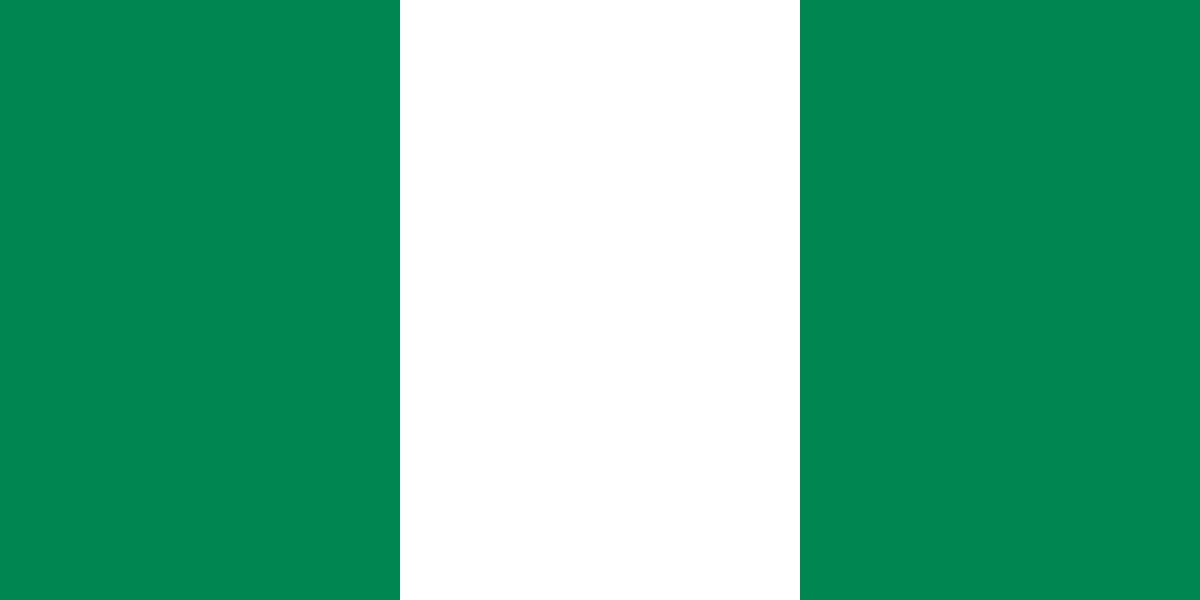
Nigerian FlagOak TreeBlack-Crowned CraneNigerian (Naira) Currency
Nigerian national symbols: green and white flag, oak tree, black-crowned crane, and naira currency featuring Nigerian leaders and cultural diversity. Image Credits (from top left to bottom right): Jon Harald Søby, Wikimedia Commons; Stacey Hayden, Unsplash; Postdlf, Wikimedia Commons; Marvelous Okafor, Wikimedia Commons

NIGERIA FACTS
INDEPENDENCE: October 1, 1960 (64 years ago)
POPULATION: About 223 million people (Africa's most populous)
CAPITAL: Abuja
STATES: 36 states plus 1 federal capital territory
BIGGEST CITY: Lagos (15.4 million people)
NATIONAL BIRD: Black-crowned Crane
NATIONAL FLOWER: Costus spectabilis (Yellow Trumpet)

History and Geography
Nigeria is incredibly diverse geographically and culturally! The country has three main regions: the Sahel savanna in the north with traditional Hausa-Fulani cultures, the Middle Belt with diverse ethnic groups and Jos Plateau, and the southern rainforest region home to Yoruba and Igbo peoples. The Niger River and its tributary the Benue create fertile valleys, while the Niger Delta in the south has vast oil reserves and mangrove swamps. Lagos, though no longer the capital, remains Nigeria's economic heart and one of the fastest-growing cities in the world.

Lagos CityscapeNiger RiverJos Plateau HighlandsNiger Delta Oil
Nigeria's diverse geography: bustling Lagos cityscape and coastline, Niger River flowing through savanna landscapes, Jos Plateau highlands, and Niger Delta oil fields and mangroves. Image Credits (from top left to bottom right): Nupo Deyon Daniel, Unsplash; Vincent van Zeijst, Wikimedia Commons; Dr. Mary Gillham, Wikimedia Commons; Chebyshev1983, Wikimedia Commons

Amazing Wildlife

The elegant black-crowned crane with its golden crown feathers is Nigeria's national bird and performs beautiful dancing displays. Nigeria's diverse ecosystems support forest elephants in the south, lions and antelopes in the northern savannas, chimpanzees and other primates in Cross River National Park, plus hundreds of bird species. The country also has unique animals like the endangered Cross River gorilla (found only in Nigeria and Cameroon) and drill monkeys with colorful faces.

Black-Crowned CranesForest ElephantsCross River GorillasDrill Monkeys
Nigeria's diverse animals: black-crowned cranes dancing in wetlands, forest elephants in southern rainforests, endangered Cross River gorillas, and colorful drill monkeys in Cross River region. Image Credits (from top left to bottom right): Postdlf, Wikimedia Commons; ean-Paul Boerekamps, Wikimedia Commons; Julielangford, Wikimedia Commons; Dotun55, Wikimedia Commons

Natural Resources

Nigeria is Africa's largest oil producer and has vast petroleum reserves in the Niger Delta that have made it the continent's largest economy. The country also has natural gas, coal, and mineral deposits including tin, columbite, and limestone. Nigeria's diverse climates support agriculture including yams, cassava, cocoa, and palm oil. The country's greatest export might be its culture - Nollywood films, Afrobeats music, and literature that influence the entire continent and beyond.

Offshore OilYam Farming
Nigeria's wealth: offshore oil platforms in the Niger Delta and diverse agriculture including yam farming that feeds millions across West Africa. Image Credits (from left to right): Windfallengprojectsltd, Wikimedia Commons; Starheroine, Wikimedia Commons

GIANT NIGERIA FACTS
Nigeria's Nollywood film industry produces more movies per year than Hollywood making it the world's second-largest film industry
One in every four Africans is Nigerian, and by 2050 Nigeria may become the world's third most populous country
The country has produced internationally acclaimed authors like Chinua Achebe and Wole Soyinka (Nobel Prize winner)
Nigerian Afrobeats music has become a global phenomenon with artists like Burna Boy and Wizkid winning Grammy awards

Nigeria truly is Africa's cultural and economic giant, where incredible diversity creates a vibrant tapestry of languages, traditions, and innovations that influence the entire continent and the world!