Peru

Discover the ancient land of the Incas with Machu Picchu, the Amazon rainforest, and incredible cultural heritage.


Peruvian landscape showing the ancient citadel of Machu Picchu perched on mountain peaks with terraced ruins and misty Andean valleys

Peruvian landscape showing the ancient citadel of Machu Picchu perched on mountain peaks with terraced ruins and misty Andean valleys

Photo BY Willian Justen de Vasconcellos, Unsplash

¡Bienvenidos al Perú! Welcome to the ancient heart of the mighty Inca Empire, where mysterious cities built on mountaintops still stand after 500 years! Peru is like a living museum where you can walk through the same streets that Inca emperors once ruled, explore Amazon rainforest that's home to pink dolphins and jaguars, and taste foods like potatoes and quinoa that Peru gave to the world. This incredible country connects the Pacific Ocean, towering Andes Mountains, and vast Amazon rainforest in one amazing land of ancient wonders and natural treasures.

Peru declared independence from Spain on July 28, 1821, led by the great liberator José de San Martín. The name "Peru" likely comes from "Birú," the name of a local ruler that early Spanish conquistadors encountered, though some believe it comes from a Quechua word meaning "land of abundance." The ancient Inca people called their empire "Tawantinsuyu," meaning "the four regions," because it was divided into four parts connected by amazing stone roads.

Map of Peru

Map of Peru showing its 25 regions and borders with Ecuador, Colombia, Brazil, Bolivia, and Chile. Image Credits: User:Spischot, Wikimedia Commons
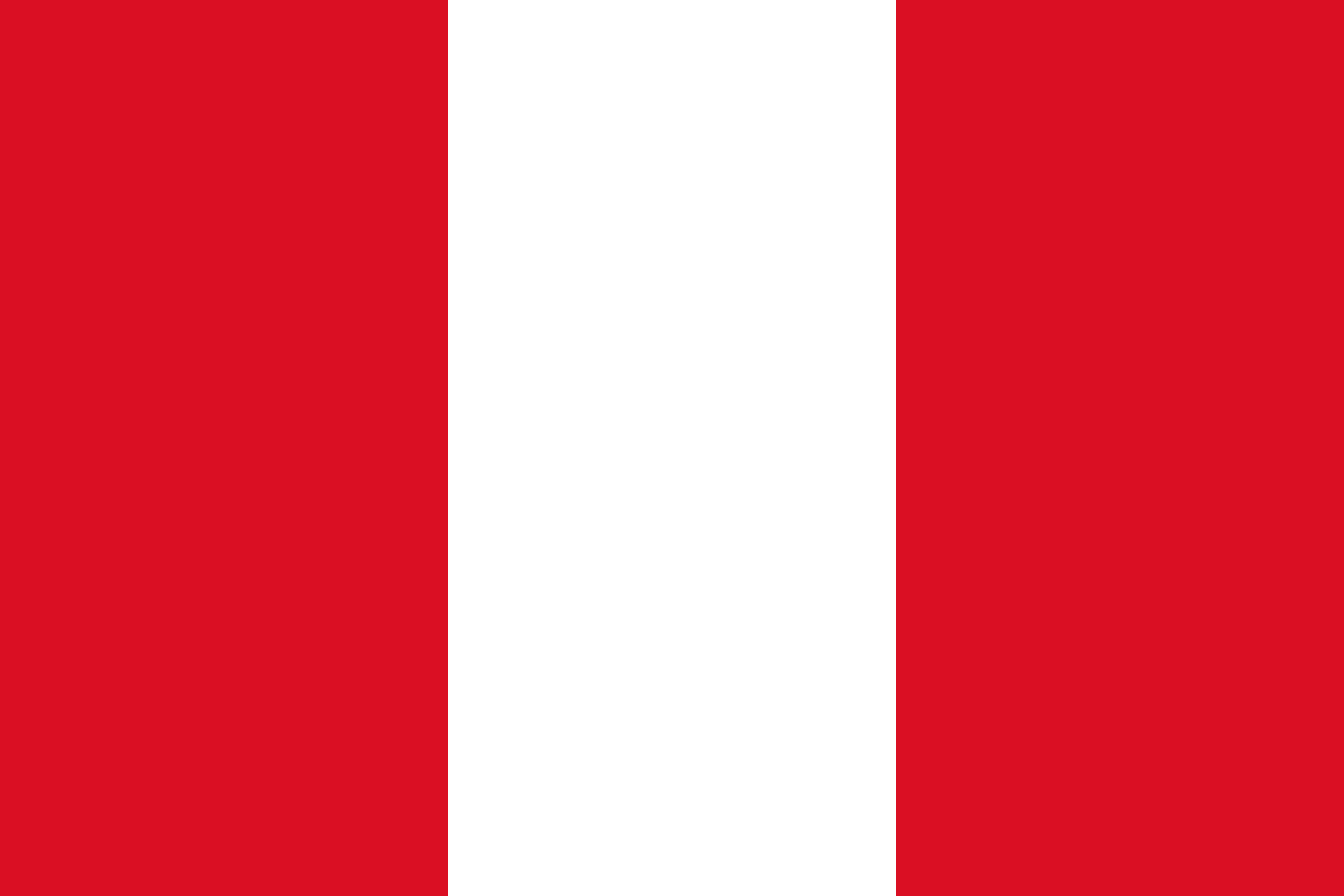
Peruvian FlagCinchona TreeAndean Cock-of-the-Rock BirdPeruvian Nuevo Sol Currency
Peruvian national symbols: red and white flag, cinchona tree, Andean cock-of-the-rock bird, and nuevo sol currency featuring Inca heritage and natural landmarks. Image Credits (from top left to bottom right): David Benbennick, Wikimedia Commons; Forest & Kim Starr, Wikimedia Commons; Charles J. Sharp, Wikimedia Commons; forextime.com, Flickr

PERU FACTS
INDEPENDENCE: July 28, 1821 (203 years ago)
POPULATION: About 33.4 million people
CAPITAL: Lima
REGIONS: 25 regions
BIGGEST CITY: Lima (10.9 million people)
NATIONAL BIRD: Andean Cock-of-the-rock (Tunki)
NATIONAL FLOWER: Cantuta
Info box image

History and Geography
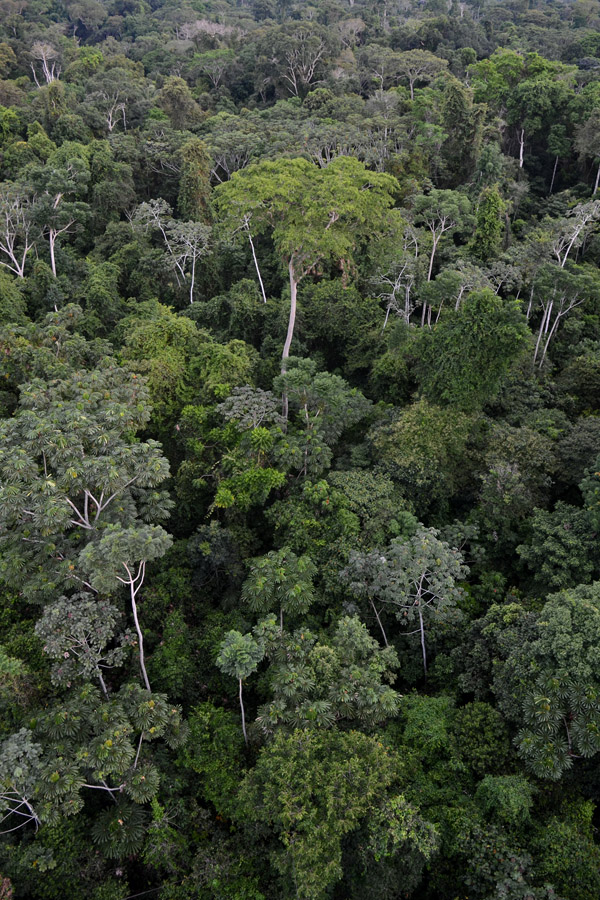
Peru was the heart of the incredible Inca Empire, the largest empire in pre-Columbian America, and is home to Machu Picchu, the most famous ancient city in the Americas! The country has three distinct geographical regions: the coastal desert along the Pacific Ocean, the towering Andes Mountains with peaks over 20,000 feet high, and the Amazon rainforest that covers 60% of the country. Peru also has Lake Titicaca, the highest navigable lake in the world, where indigenous people still live on floating islands made of reeds.

Machu PicchuFloating Reed IslandRainforest CanopyNazca Lines
Peru's diverse landscapes: Machu Picchu's ancient terraces on mountain peaks, floating reed islands on Lake Titicaca, vast Amazon rainforest canopy, and Nazca Lines in coastal desert. Image Credits (from top left to bottom right): Eddie Kiszka, Unsplash; Jpduchesneau, Wikimedia Commons; Geoff Gallice, Wikimedia Commons; Diego Delso, Wikimedia Commons

Amazing Wildlife

The spectacular Andean cock-of-the-rock with its bright orange feathers is Peru's national bird and performs amazing mating dances in cloud forests. Peru's diverse ecosystems support incredible wildlife - jaguars and pink river dolphins in the Amazon, spectacled bears (the only bears in South America) in the mountains, vicuñas and llamas in the highlands, and Humboldt penguins along the coast. The Amazon region alone has over 1,800 bird species!

Andean Cock-of-the-Rock BirdSpectacled BearPink River DolphinVicuñas
Peru's amazing animals: colorful Andean cock-of-the-rocks in cloud forest, spectacled bears in mountain forests, pink river dolphins in Amazon waters, and vicuñas in high Andean grasslands. Image Credits (from top left to bottom right): Charles J. Sharp, Wikimedia Commons; Anil Öztas, Wikimedia Commons; Diogo Luiz, Wikimedia Commons; kallerna, Wikimedia Commons

Natural Resources

Peru is incredibly rich in minerals - it's one of the world's largest producers of silver, copper, and gold! The country also has vast oil and natural gas deposits in the Amazon region. Peru gave the world many important foods including potatoes (with over 3,000 varieties!), quinoa, tomatoes, and cocoa. The Amazon rainforest provides rubber, Brazil nuts, and countless medicinal plants that indigenous people have used for thousands of years.

Copper MiningQuinoa Farming
Peru's natural wealth: large-scale copper mining operations in the Andes and traditional quinoa farming on ancient terraced hillsides. Image Credits (from top left to bottom right): Grullab, Wikimedia Commons; Michael Hermann, Wikimedia Commons

AMAZING PERU FACTS
Machu Picchu was built by the Incas around 1450 and was never discovered by Spanish conquistadors
Peru has over 3,000 varieties of potatoes and gave this important food to the rest of the world
The mysterious Nazca Lines are giant drawings in the desert that can only be seen from airplanes
Lake Titicaca is so high (12,507 feet) that people need time to adjust to the thin air when they visit

Peru truly is South America's greatest archaeological treasure, where ancient Inca wisdom lives on and the Amazon rainforest meets snow-capped mountains to create one of the most diverse countries on Earth!