Philippines

Explore the pearl of the Orient with 7,000+ islands, unique wildlife, beautiful beaches, and warm Filipino hospitality.


Philippine landscape showing pristine rice terraces,

Philippine landscape showing pristine rice terraces,

Photo BY Michael Rivera, Unsplash

Mabuhay! Welcome to the "Pearl of the Orient," where over 7,600 tropical islands create one of the world's most beautiful archipelagos! The Philippines is like a scattered necklace of emerald islands across the western Pacific, where pristine white sand beaches meet crystal-clear turquoise waters, where the famous Banaue Rice Terraces climb mountainsides like giant green staircases, and where some of the world's friendliest people welcome visitors with warm smiles and the famous Filipino hospitality. This incredible island nation is home to unique animals found nowhere else and some of the most spectacular coral reefs on Earth.

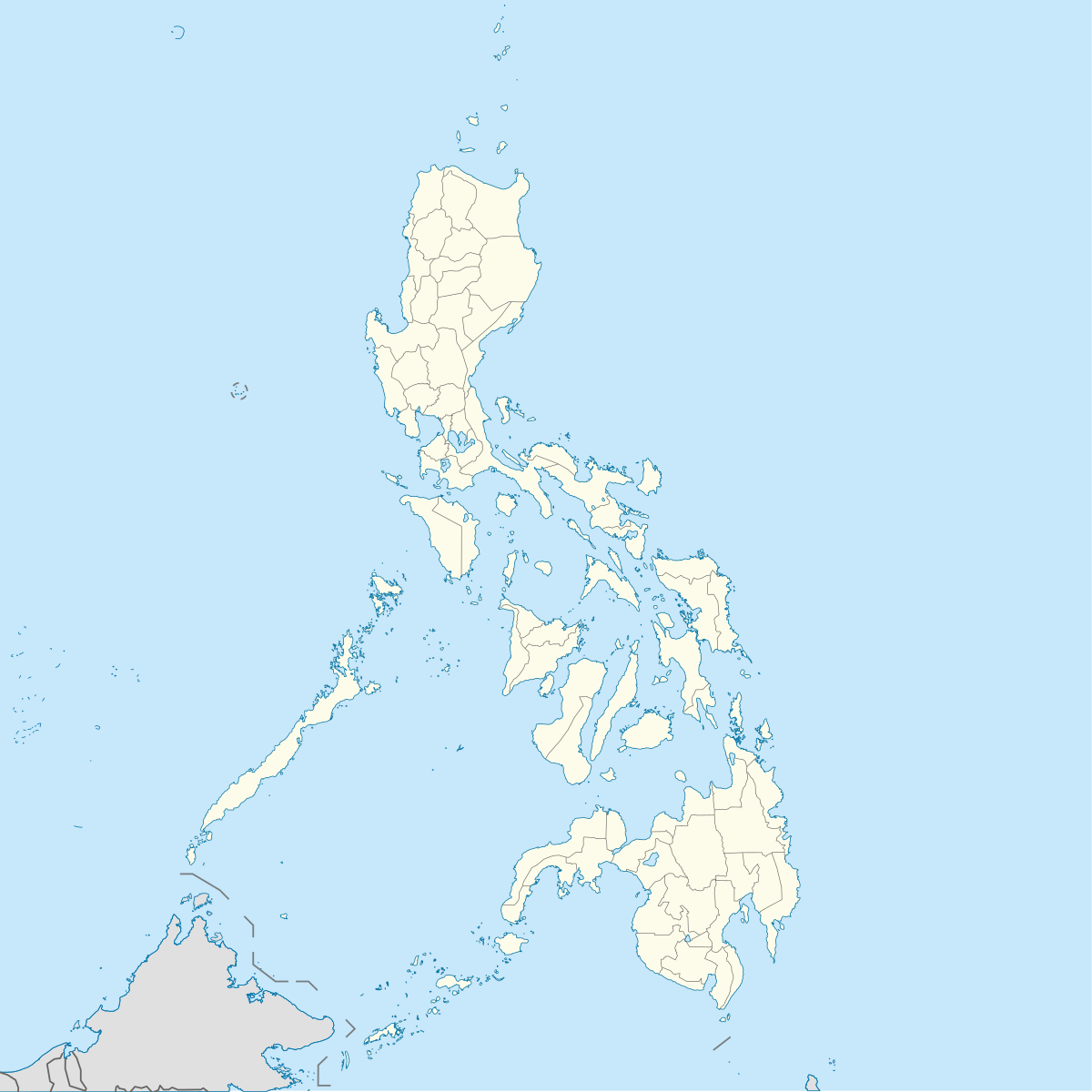
The Philippines gained independence on July 4, 1946, after periods of Spanish and American colonization. The country is named after King Philip II of Spain, though Filipinos also call their nation "Pilipinas." The Philippines consists of 7,641 islands grouped into three main regions: Luzon in the north (where the capital Manila is located), the Visayas in the center, and Mindanao in the south. The country has over 175 languages, though Filipino (based on Tagalog) and English are the official languages.
Map of Philippines

Map of the Philippines showing the three main island groups (Luzon, Visayas, Mindanao), major cities, and position in the western Pacific Ocean. Image Credit: Hellerick, Wikimedia Commons

Filipino FlagNarra TreePhilippine EagleFilipino Peso
Philippine national symbols: blue, red, white, and yellow flag with sun and stars, narra tree, Philippine eagle, and peso currency featuring Filipino heroes and natural landmarks. Image Credits (from top left to bottom right): Colohisto, Wikimedia Commons; Ramon FVelasquez, Wikimedia Commons; Michael Hurben, Wikimedia Commons; Marek Ślusarczyk (Tupungato), Wikimedia Commons

PHILIPPINES FACTS
INDEPENDENCE: July 4, 1946 (78 years ago)
POPULATION: About 115 million people
CAPITAL: Manila (metro area called Metro Manila)
REGIONS: 17 regions
BIGGEST CITY: Quezon City (2.9 million people)
NATIONAL BIRD: Philippine Eagle
NATIONAL FLOWER: Sampaguita (Arabian Jasmine)
Info box image

History and Geography
The Philippines is famous for the Banaue Rice Terraces, often called the "Eighth Wonder of the World" - these incredible stepped terraces were carved into mountains 2,000 years ago and are still used to grow rice today! The country sits on the "Ring of Fire" with active volcanoes and frequent earthquakes, but this also creates incredibly fertile soil and stunning landscapes. The Philippines has some of the world's most beautiful beaches including Boracay with powder-white sand and Palawan with underground rivers and pristine coral reefs that look like aquariums.

Banaue Rice TerracesPalawan BeachesMayon VolcanoCoral Reefs
Philippines' diverse geography: spectacular Banaue Rice Terraces carved into mountains, pristine Palawan beaches with limestone cliffs, active Mayon Volcano with perfect cone shape, and vibrant coral reefs in clear tropical waters. Image Credits (from top left to bottom right): User:Ori~, Wikimedia Commons; Vyacheslav Argenberg, Wikimedia Commons; Marisa Mercado, Wikimedia Commons; Dmitry Domrin, Wikimedia Commons

Amazing Wildlife

The magnificent Philippine eagle is the country's national bird and one of the world's rarest eagles with fewer than 1,000 left in the wild! The Philippines has many unique animals found nowhere else including the tiny tarsier (one of the world's smallest primates with huge eyes), tamaraw (dwarf buffalo found only on Mindoro island), and the Philippine crocodile. The surrounding waters support whale sharks, dugongs (sea cows), and some of the world's most diverse coral reef ecosystems.

Philippine EaglesTarsiersWhale SharksCoral Reef Fish
Philippines' unique animals: majestic Philippine eagles with distinctive feather crowns, tiny tarsiers with enormous eyes, gentle whale sharks in coastal waters, and colorful coral reef fish in pristine waters. Image Credits (from top left to bottom right): Michael Hurben, Wikimedia Commons; Jesse Alegre, Wikimedia Commons; Dirk Froebel, Wikimedia Commons; Dmitry Domrin, Wikimedia Commons

Natural Resources

The Philippines has rich mineral deposits including gold, copper, and nickel, plus geothermal energy from its many volcanoes that provides clean electricity. The country grows excellent rice on terraced hillsides, coconuts (Philippines is the world's second-largest producer), and delicious tropical fruits like mangoes and bananas. The coral reefs and beautiful islands make tourism increasingly important, while overseas Filipino workers contribute significantly to the economy.

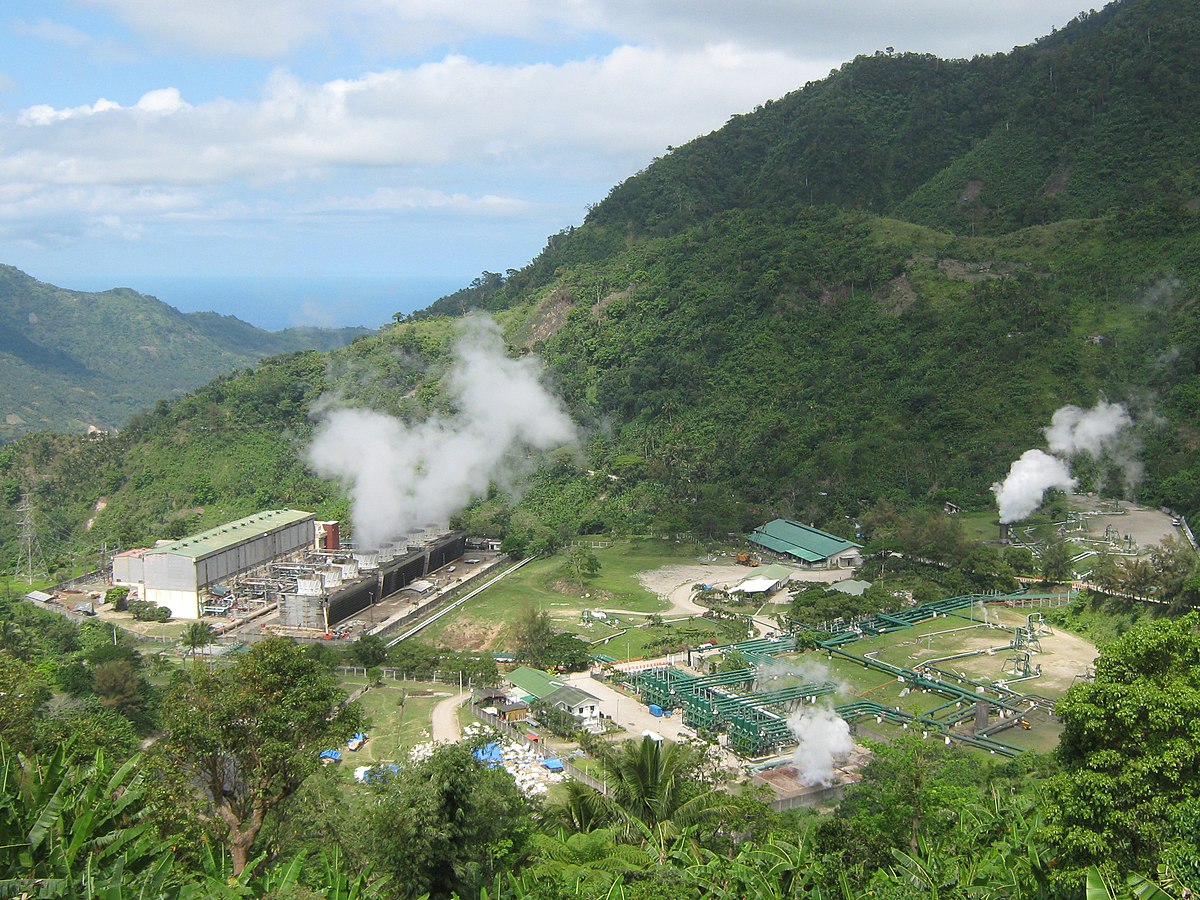
Coconut PlantationsGeothermal Power Plants
Philippines' island wealth: coconut plantations providing oil and food products and geothermal power plants using volcanic heat for clean renewable energy. Image Credits (from left to right): Biag arnel, Wikimedia Commons; Mike Gonzalez (TheCoffee), Wikimedia Commons

AMAZING PHILIPPINES FACTS
The Philippines has more than 7,600 islands but only about 2,000 are inhabited and about 5,000 don't even have names
Filipino hospitality is famous worldwide and family is the most important thing in Filipino culture
The country produces 19.5 million tons of coconuts per year making it the world's second-largest producer
Philippines' Tubbataha Reefs Natural Park has some of the most pristine coral reefs on Earth with over 1,000 species

The Philippines truly is Asia's tropical paradise, where 7,600 islands create endless opportunities for adventure and the warm Filipino spirit makes every visitor feel like part of the family in this pearl of the Pacific!