Saint Vincent and the Grenadines

Explore the gem of the Antilles with 32 tropical islands, active volcanoes, and some of the Caribbean's most pristine sailing waters.


Saint Vincent and the Grenadines archipelago showing the main volcanic island and chain of smaller coral islands with pristine sailing waters

Saint Vincent and the Grenadines archipelago showing the main volcanic island and chain of smaller coral islands with pristine sailing waters

Photo BY George Apodaca, Unsplash

Welcome to the "Gem of the Antilles," a stunning chain of 32 tropical islands where sailors from around the world come to experience some of the most beautiful and pristine waters in the Caribbean! Saint Vincent and the Grenadines is like a perfect necklace of emerald islands scattered across turquoise seas, where the main island of Saint Vincent rises dramatically from the ocean with an active volcano, while the smaller Grenadine islands offer some of the most exclusive and untouched beaches in the world.

Saint Vincent and the Grenadines gained independence from Great Britain on October 27, 1979, after centuries of colonial rule. The main island was named "San Vicente" by Christopher Columbus after Saint Vincent of Saragossa, whose feast day occurred around the time of his visit. The Grenadines got their name from the Spanish "Granada" (pomegranate), referring to the way the small islands are scattered like pomegranate seeds across the sea. The indigenous Kalinago (Carib) people called the main island "Youloumain," meaning "land of the blessed."

Map of Saint Vincent and the Grenadines

Map showing Saint Vincent island with La Soufrière volcano and the chain of Grenadine islands including Bequia, Mustique, Canouan, and Union Island. Image Credit: NordNordWest, Wikimedia Commons
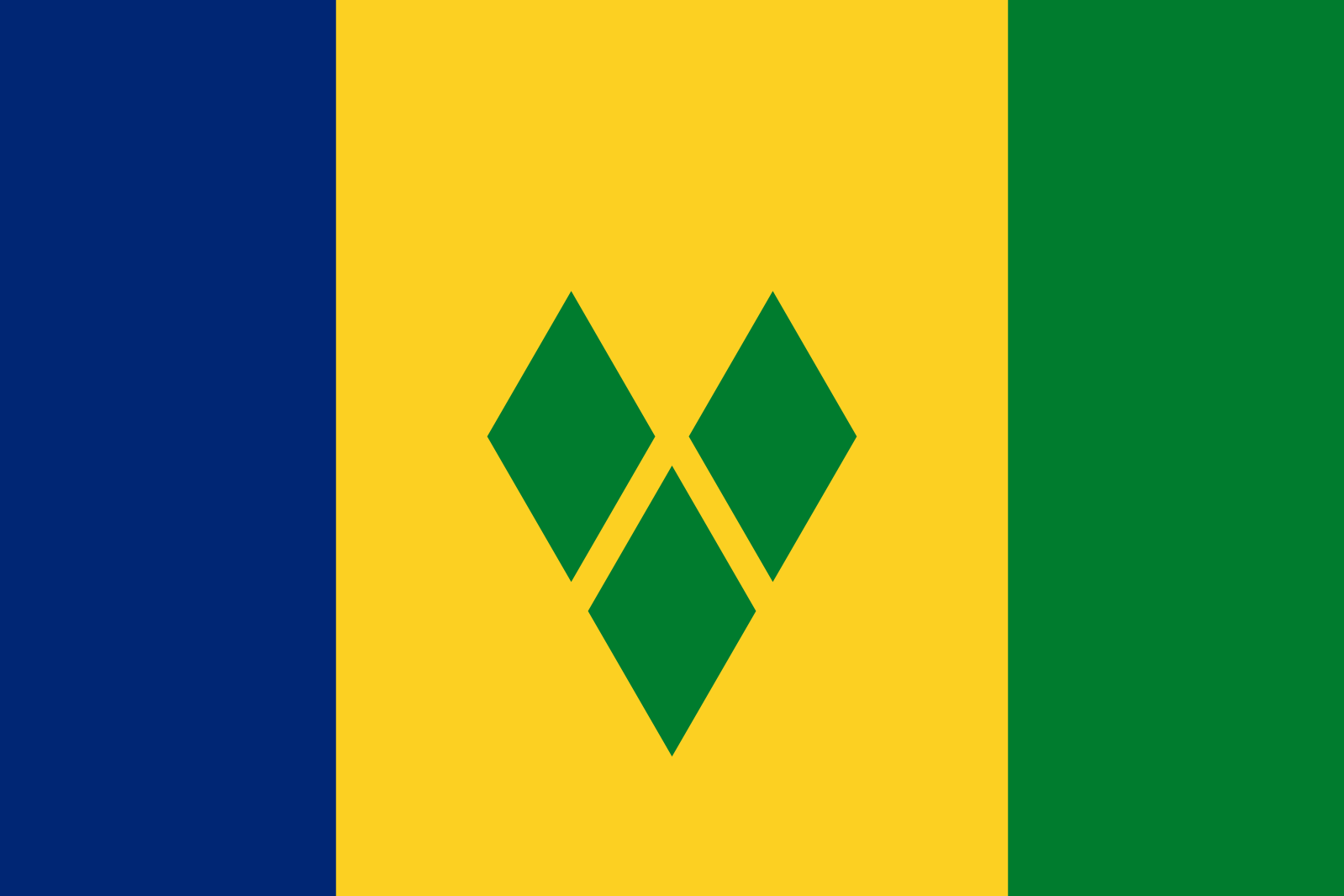
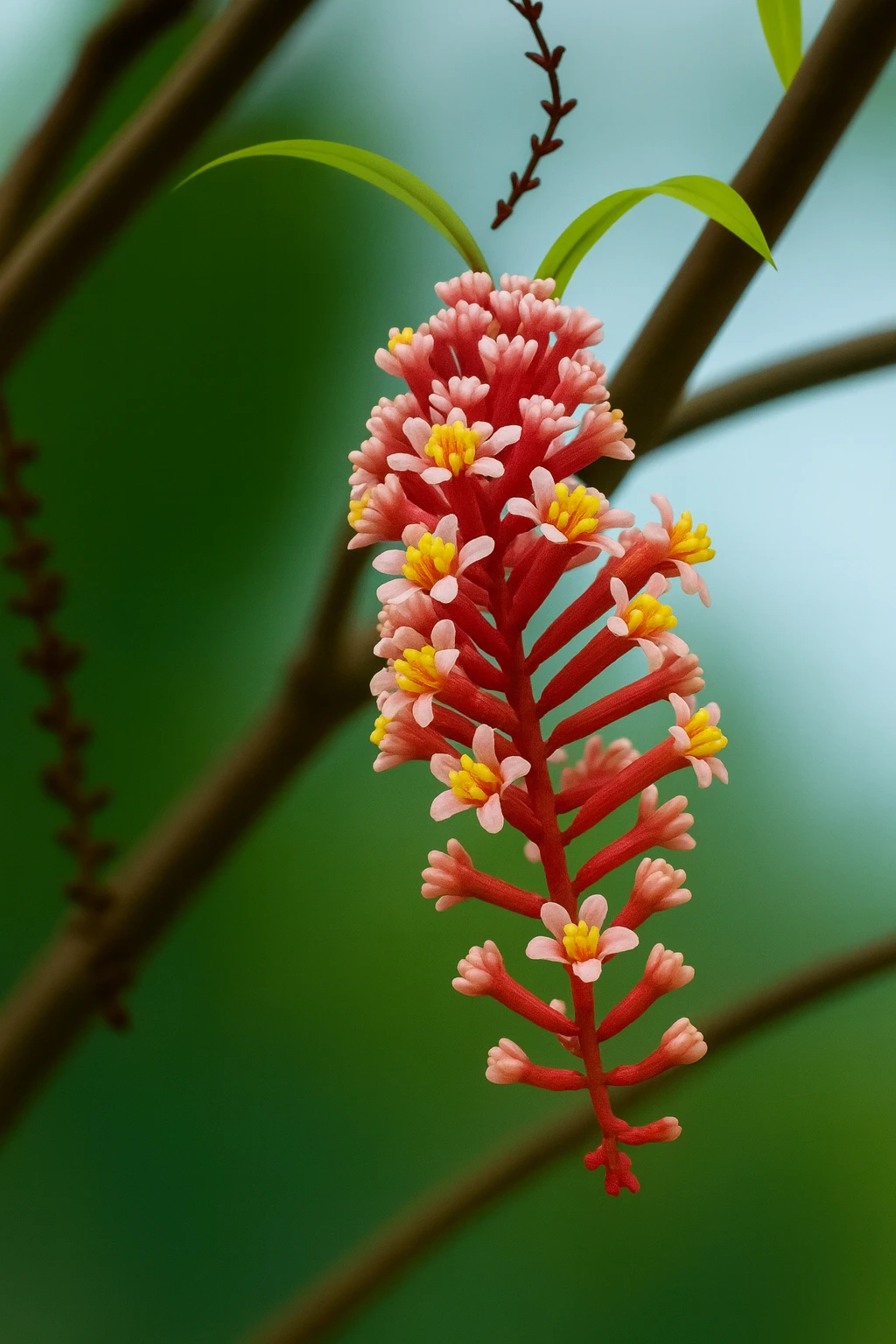
Vincentian FlagSoufriere TreeSaint Vincent Amazon ParrotEast Caribbean Dollar
Saint Vincent and the Grenadines national symbols: blue, yellow, and green flag with diamonds, soufriere tree (above shows an AI generated recreated image of the rare tree and flower), Saint Vincent amazon parrot, and Eastern Caribbean dollar. Image Credits (from top left to bottom right): SKopp, Wikimedia Commons; Duskbloom Littles (AI generated image); David J. Stang, Wikimedia Commons; Enrevseluj, Wikimedia Commons

SAINT VINCENT AND THE GRENADINES FACTS
INDEPENDENCE: October 27, 1979 (45 years ago)
POPULATION: About 104,000 people
CAPITAL: Kingstown (on Saint Vincent)
ISLANDS: 32 islands and cays (9 inhabited)
BIGGEST CITY: Kingstown (25,000 people)
NATIONAL BIRD: Saint Vincent Amazon Parrot
NATIONAL FLOWER: Soufriere Tree Blossom
Info box image

History and Geography
Saint Vincent and the Grenadines consists of the main volcanic island of Saint Vincent and a chain of 31 smaller islands called the Grenadines, stretching south toward Grenada. The main island is dominated by La Soufrière, an active volcano that last erupted in 2021, creating dramatic landscapes with black volcanic sand beaches and lush rainforests. The Grenadine islands are mostly coral and limestone formations with pristine white sand beaches, crystal-clear waters, and some of the best sailing conditions in the world.

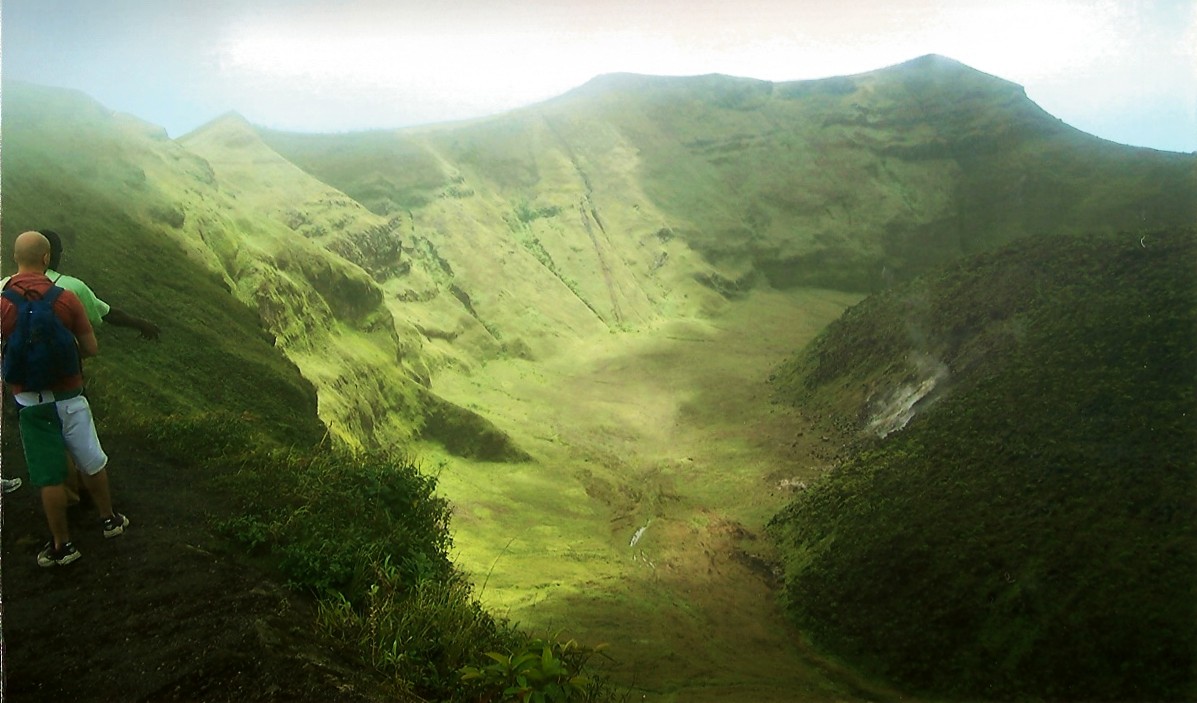
La Soufrière volcanoBlack Sand BeachesWhite Sand BeachesCoastal Cliffs
Island chain geography: La Soufrière volcano with crater lake, black sand beaches on Saint Vincent, pristine white sand beaches in the Grenadines, and dramatic coastal cliffs. Image Credits (from top left to bottom right): Kevin Gabbert - User: (WT-shared) Kevin James at wts wikivoyage, Wikimedia Commons; Ein Dahmer, Wikimedia Commons; David Stanley, Wikimedia Commons; Rainer Strehl, Wikimedia Commons

Amazing Wildlife

The magnificent Saint Vincent amazon parrot is found nowhere else in the world and is the national bird, with beautiful green, yellow, and blue feathers. The main island's rainforests are home to unique species including the Saint Vincent blacksnake and various endemic lizards. The surrounding waters support healthy coral reefs with tropical fish, sea turtles that nest on remote beaches, and humpback whales that migrate through the area. The Grenadines are particularly famous for their pristine marine ecosystems.

Amazon ParrotsHawksbill Sea TurtlesTropical Reef FishHumpback Whales
Island chain animals: colorful Saint Vincent amazon parrots in rainforest canopy, hawksbill sea turtles nesting on secluded beaches, tropical reef fish, and humpback whales in migration. Image Credits (from top left to bottom right): David J. Stang, Wikimedia Commons; NOAA, Wikimedia Commons; EgorovaSvetlana, Wikimedia Commons; Jérémie Silvestro, Wikimedia Commons

Natural Resources

The fertile volcanic soil of Saint Vincent is perfect for growing bananas, which have been the main export crop for decades. The island also produces arrowroot (used for thickening foods), coconuts, and breadfruit - which was originally brought from Tahiti by Captain Bligh of HMS Bounty fame! The pristine waters and beautiful islands of the Grenadines make tourism increasingly important, especially high-end eco-tourism and sailing charters.

Banana PlantationsTourism
Island resources: banana plantations on Saint Vincent's fertile volcanic slopes and sustainable tourism operations showcasing pristine Grenadine waters and coral reefs. Image Credits (from left to right): Aiva Apsite, Wikimedia Commons; madmack66, Wikimedia Commons

PRISTINE ISLANDS FACTS
The Grenadines are considered some of the most exclusive and pristine sailing waters in the Caribbean
Saint Vincent is home to the oldest botanical garden in the Western Hemisphere established in 1765
The islands have some of the healthiest coral reefs in the Caribbean due to careful conservation efforts
Mustique island in the Grenadines is famous for being a private retreat for celebrities and royalty

Saint Vincent and the Grenadines truly is the Caribbean's best-kept secret, where volcanic drama meets coral paradise and pristine waters offer some of the most beautiful sailing and diving experiences in the world!