South Africa

Explore the Rainbow Nation with incredible wildlife, three capitals, diverse cultures, and the legacy of Nelson Mandela.


South African landscape showing Table Mountain in Cape Town

South African landscape showing Table Mountain in Cape Town

Photo BY Rutendo Petros, Unsplash

Sawubona! Welcome to the "Rainbow Nation," where 11 official languages create a beautiful symphony of cultures and some of the most spectacular wildlife on Earth roams free! South Africa is like nature's greatest showcase, where you can see the famous "Big Five" animals (lion, leopard, elephant, rhinoceros, and buffalo), visit the only country in the world with three capital cities, and learn about the incredible journey from apartheid to democracy led by the inspiring Nelson Mandela. This amazing country sits at the southern tip of Africa and is home to penguins, great white sharks, and some of the world's most beautiful landscapes.

South Africa became a democracy on April 27, 1994, when Nelson Mandela was elected as the first Black president, ending the apartheid system of racial separation. However, the Union of South Africa was formed on May 31, 1910. The name "South Africa" simply means the country at the southern part of Africa. The country is called the "Rainbow Nation" because of its incredible diversity - it has 11 official languages and people from many different ethnic backgrounds living together as one nation.

Map of South Africa

Map of South Africa showing its 9 provinces, three capital cities (Cape Town, Pretoria, Bloemfontein), major game reserves, and position at the southern tip of Africa. Image Credit: NordNordWest, Wikimedia Commons
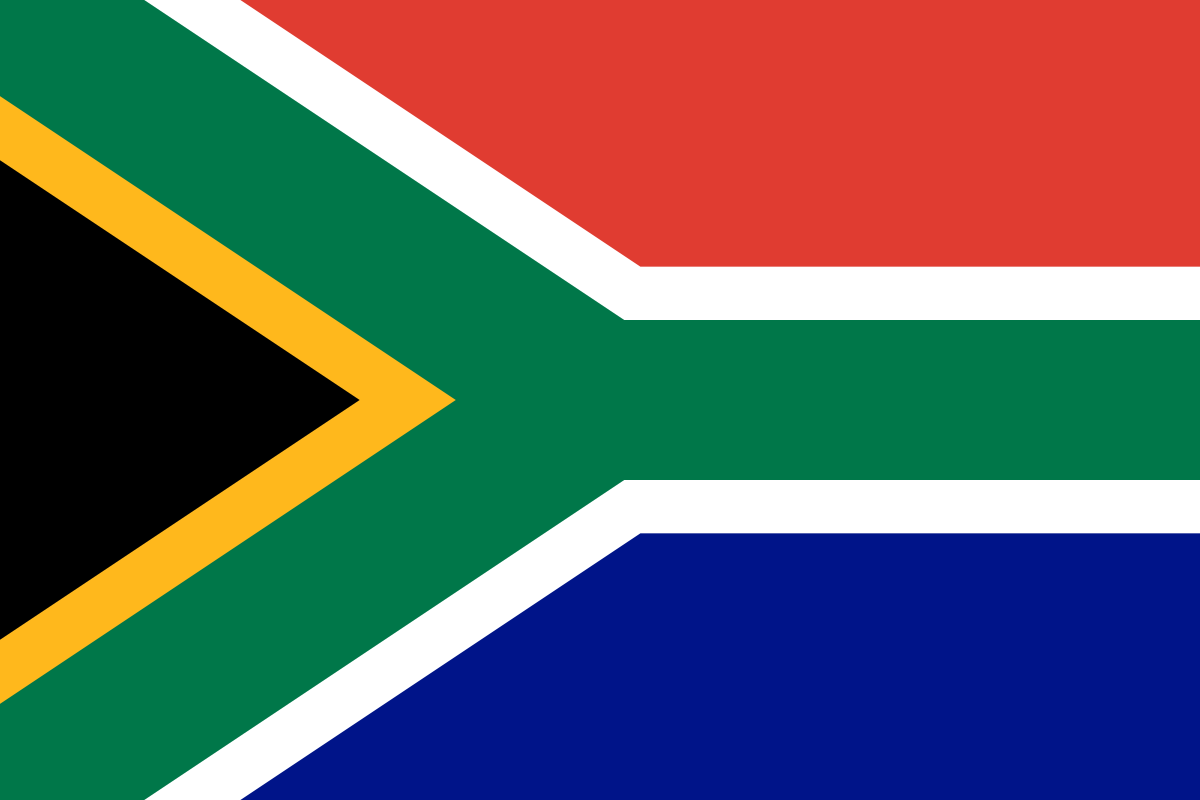
South African SymbolsYellowwood TreeBlue CraneSouth African Currency
South African national symbols: colorful flag with six colors, yellowwood tree, blue crane, and rand currency featuring Nelson Mandela and the Big Five animals. Image Credits (from top left to bottom right): Frederick Brownell, Wikimedia Commons; Abu Shawka, Wikimedia Commons; Lorie Shaull, Wikimedia Commons; NJR ZA, Wikimedia Commons

SOUTH AFRICA FACTS
DEMOCRACY ESTABLISHED: April 27, 1994 (30 years ago)
POPULATION: About 60.4 million people
CAPITALS: Cape Town (legislative), Pretoria (executive), Bloemfontein (judicial)
PROVINCES: 9 provinces
BIGGEST CITY: Johannesburg (4.4 million people)
NATIONAL BIRD: Blue Crane
NATIONAL FLOWER: King Protea
Info box image

History and Geography
South Africa is the only country in the world with three capital cities - Cape Town (where Parliament meets), Pretoria (where the President works), and Bloemfontein (where the highest court sits)! The country has incredibly diverse geography from the dramatic Table Mountain overlooking Cape Town to the Kruger National Park teeming with wildlife, from the Drakensberg Mountains to beautiful coastlines on both the Atlantic and Indian Oceans. South Africa is also famous for Robben Island, where Nelson Mandela was imprisoned for 18 years.

Table MountainKruger National ParkDrakensberg mountainCape of Good Hope
South Africa's diverse landscapes: iconic Table Mountain overlooking Cape Town, vast savannas of Kruger National Park, dramatic Drakensberg mountain escarpment, and Cape of Good Hope coastline. Image Credits (from top left to bottom right): Darryn van der Walt, Wikimedia Commons; Javier Puig Ochoa, Wikimedia Commons; Ad Meskens, Wikimedia Commons; Zaian, Wikimedia Commons

Amazing Wildlife

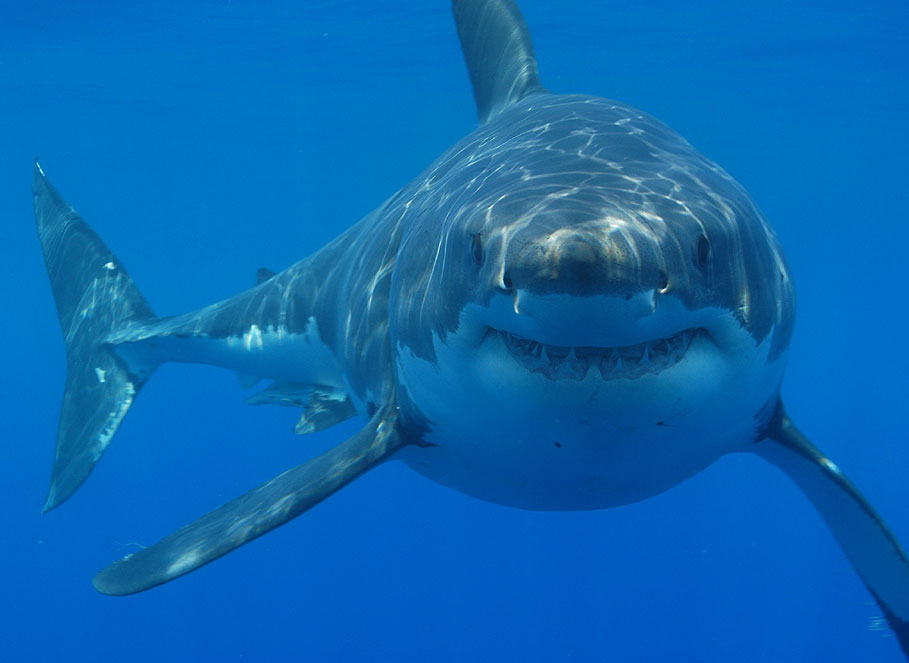
The elegant blue crane is South Africa's national bird and appears on the country's coat of arms. South Africa is world-famous for its wildlife, especially the "Big Five" - lions, leopards, elephants, rhinoceros, and buffalo - that can all be seen in game reserves like Kruger National Park. The country also has unique animals like penguins living on beaches near Cape Town, great white sharks in the coastal waters, meerkats standing guard in the Kalahari, and colorful king protea flowers that are the national flower.

Blue CraneAfrican ElephantAfrican PenguinsGreat White Sharks
South Africa's magnificent animals: blue cranes dancing in grasslands, African elephants in Kruger Park, African penguins on Boulders Beach, and great white sharks breaching near Cape Town. Image Credits (from top left to bottom right): Lorie Shaull, Wikimedia Commons; Charles J. Sharp, Wikimedia Commons; Bernard Gagnon, Wikimedia Commons; Hermanus Backpackers, Wikimedia Commons

Natural Resources

South Africa is incredibly rich in minerals - it produces most of the world's platinum and has huge gold mines that made Johannesburg wealthy (it's called the "City of Gold"). The country also has diamond mines, coal, and iron ore. South Africa's diverse climates are perfect for growing wine grapes, and the country produces excellent wines that are exported worldwide. The spectacular wildlife and landscapes make tourism a major industry.

Gold Mining OperationsWine Regions
South Africa's mineral wealth: deep gold mining operations that built Johannesburg and world-renowned wine regions producing excellent vintages. Image Credits (from left to right): NJR ZA, Wikimedia Commons; South African Tourism, Wikimedia Commons

RAINBOW NATION FACTS
South Africa has 11 official languages making it one of the most linguistically diverse countries in the world
The country is the only nation to voluntarily give up its nuclear weapons program choosing peace over war
South Africa has produced four Nobel Peace Prize winners including Nelson Mandela and Desmond Tutu
Kruger National Park is larger than Israel and home to more species of large mammals than any other African game reserve

South Africa truly is Africa's rainbow at the southern tip of the continent, where incredible wildlife meets human courage and a nation has shown the world how people of all backgrounds can come together to build a better future!